Exporting Iran's petrochemical products depends on a precise network of verified suppliers, complete technical documentation, and contracts that manage risk for both sides from the proforma invoice (PI) stage through final delivery. Bulk buyers of urea, sulfur, D2 diesel, and methanol typically run into two recurring problems: no direct access to the actual producer rather than a broker, and a lack of transparency in quality and financial documentation. Coolak International Group closes both gaps through direct access to production hubs in Iran, Russia, Kazakhstan, Turkmenistan, and Iraq, backed by contracts structured on ICC frameworks. What follows covers the real technical specifications of the key products, the logistics route for each, and the legal structure behind the deal.
Key Takeaways:
Granular urea 46% (HS code 3102.10.00) and granular/micronized sulfur (HS code 2503.00) are the two pillars of the petrochemical export basket, sourced from multiple origins (Iran, Russia, Kazakhstan, Turkmenistan) with different delivery terms.
D2 diesel (5000 ppm sulfur) is typically delivered OPL at Khark, Qeshm, Larak, and Shinas, while EN590 is the European standard capped at 10 ppm sulfur — the two grades should never be treated as interchangeable.
Deal security comes from combining Incoterms 2020, credit instruments (LC/SBLC), and third-party inspection (SGS), not from verbal trust in the seller alone.
Why Direct Sourcing Is a Competitive Advantage in Iran's Petrochemical Exports
Direct sourcing means removing the layers of intermediaries between the originating plant or refinery and the end buyer, and that removal is exactly what cuts overhead cost and protects the authenticity of quality certificates. Coolak International Group was built on this principle since 2017: many deals stall not because a genuine buyer or supplier is missing, but because of incomplete information, unverified counterparties, and hidden risk. Direct access to production hubs in Iran, Russia, Kazakhstan, Turkmenistan, and Iraq lets bulk buyers negotiate closer to base price, select the exact product grade they need, and plan around annual contracts.
Tariff Codes and Key Export Product Categories
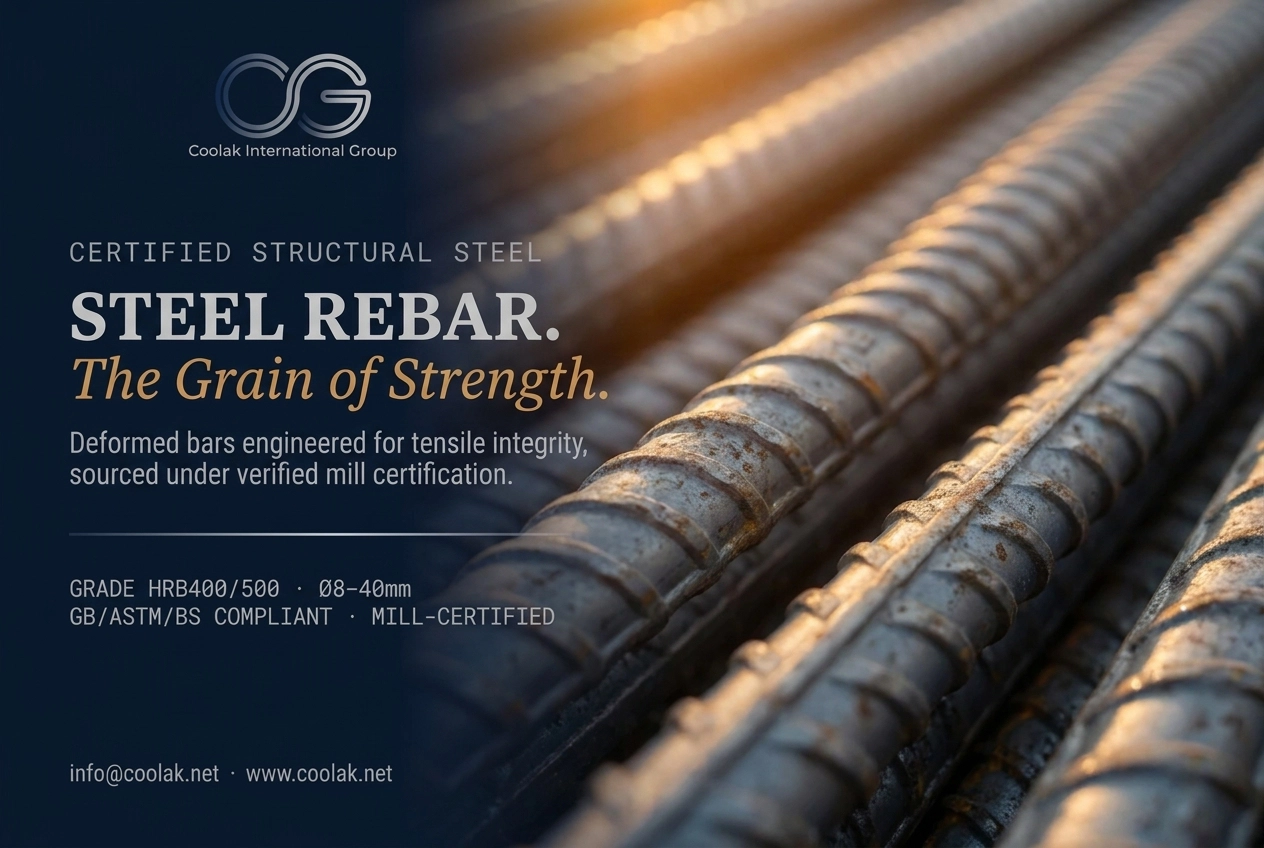
Export data consistently shows that agricultural urea under HS code 3102.10.00 and various sulfur grades under HS code 2503.00, alongside methanol and export-grade diesel, account for a major share of traffic through Iran's southern ports. For a deeper look at each product line, these dedicated guides are useful companions:

Categorizing Products by Petrochemical and Fertilizer Value Chain
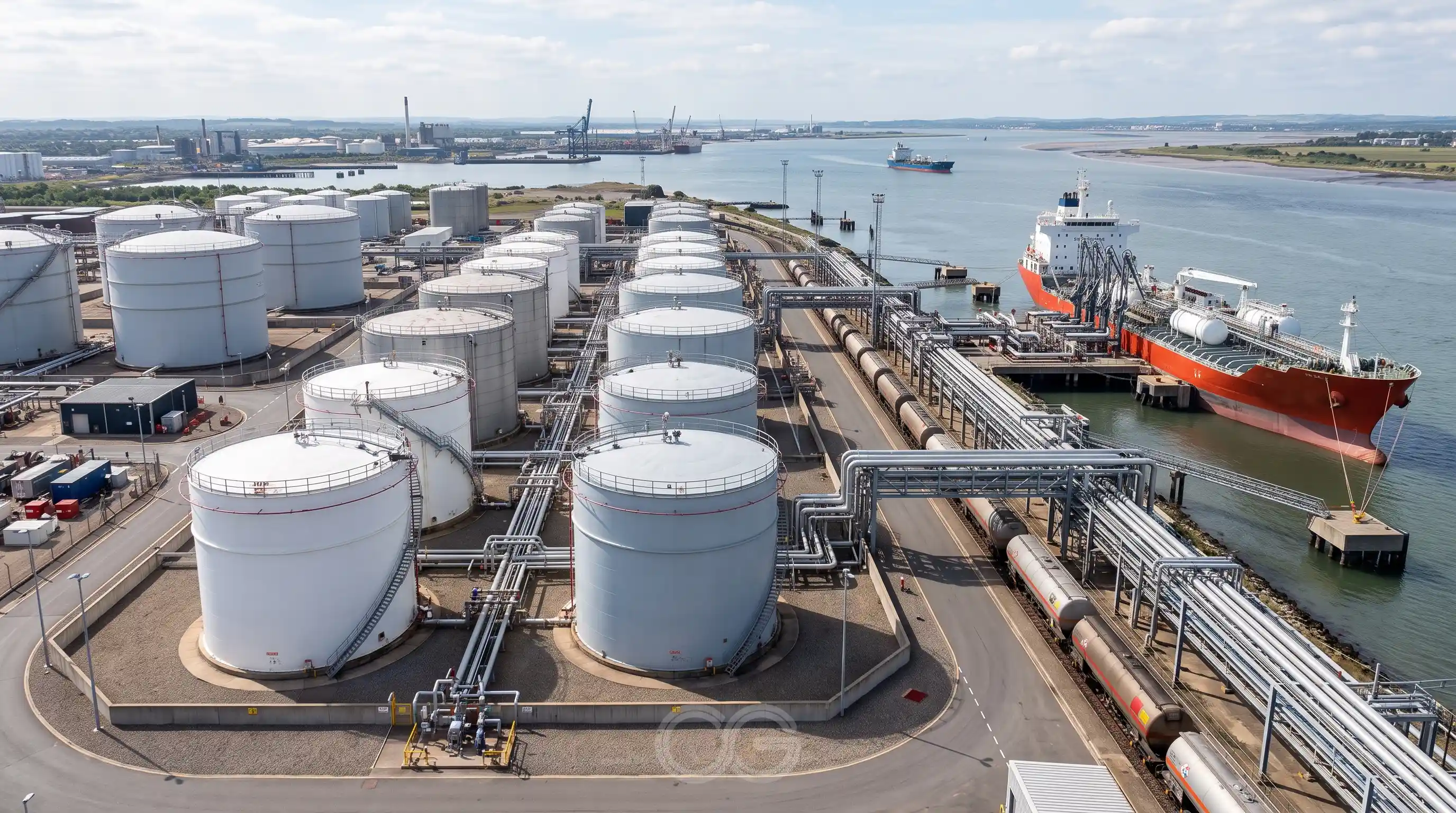
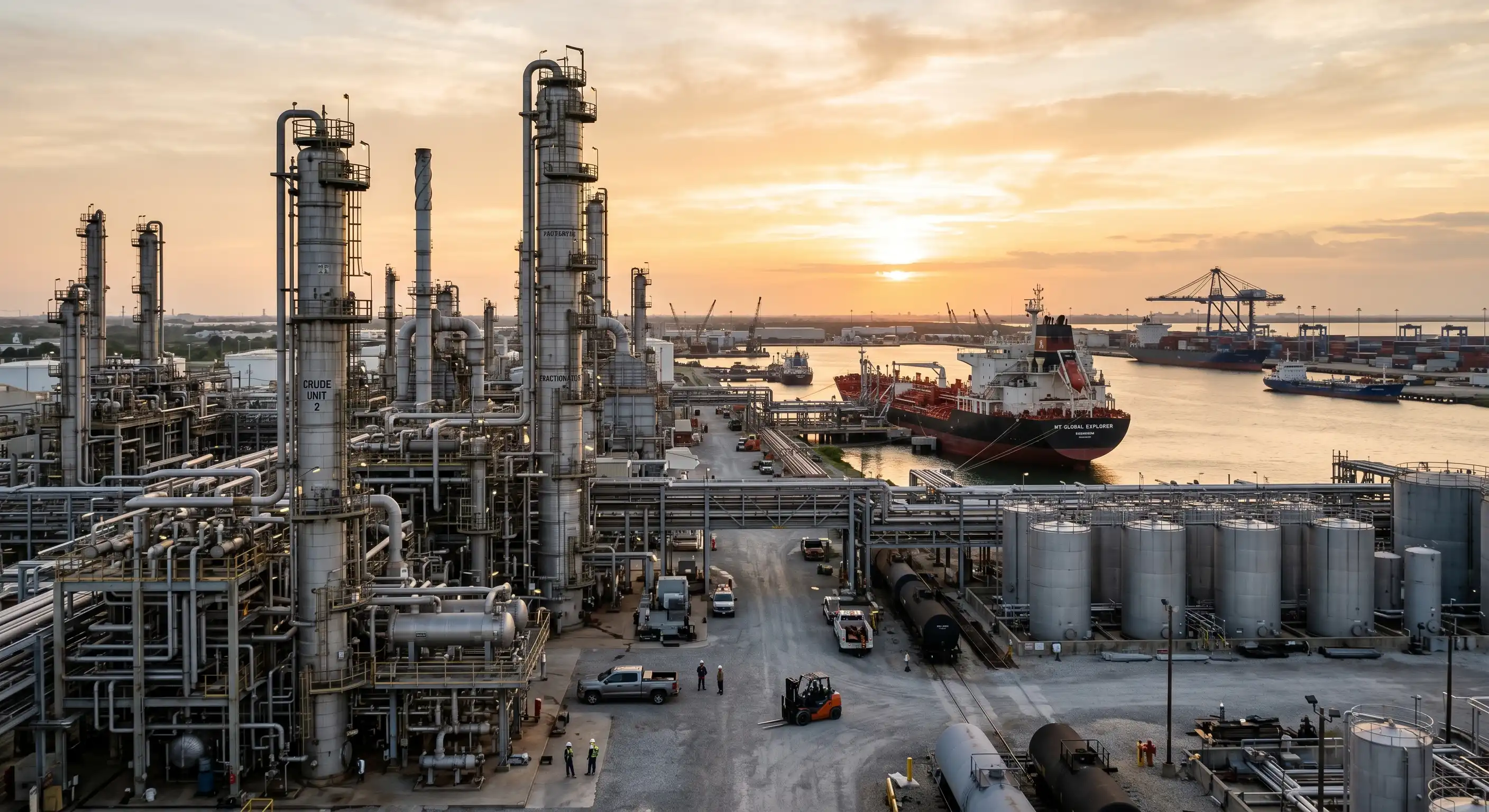
From a B2B buyer's perspective, petrochemical exports split into two practical groups: chemical fertilizers (urea, sulfur) traded mostly in bulk against monthly tonnage, and industrial fuels/solvents (D2 diesel, EN590, methanol) that require dedicated tankers and maritime coordination.
Nitrogen Fertilizers: Granular Urea 46%
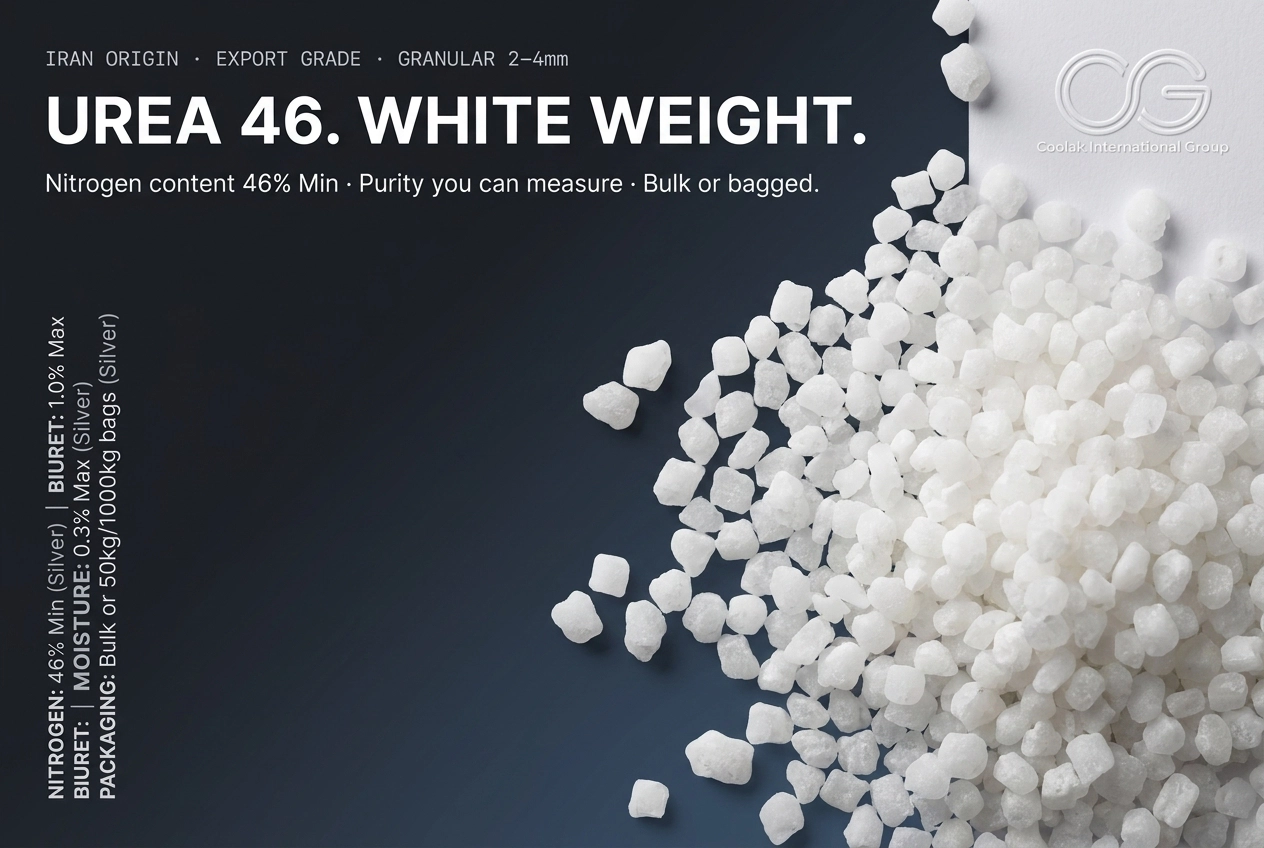
Urea 46%, with the chemical formula CO(NH₂)₂, is the world's most widely used nitrogen fertilizer. Coolak International Group supplies this product with Kazakhstan origin for industrial agriculture, melamine resin and urea-formaldehyde production, and DEF/AdBlue manufacturing.
Technical Specifications and Commercial Terms of Export-Grade Urea 46%
Nitrogen content: 46% (standard purity)
Physical form: granular, particle size 2–4 mm (90%)
Moisture: max. 1% by weight
Biuret: max. 1%
Free ammonia: max. 160 ppm
Melting point: 132°C; certified non-radioactive
Minimum order quantity (MOQ): 50,000 metric tons, CIF delivery
Settlement: bank wire transfer (SWIFT MT103/TT) or Standby Letter of Credit (SBLC – MT760) after document verification
Full details and an official quote request are available on the Urea 46% product page.
The Logistics Chain for Export Fuels: From D2 Diesel to Granular Sulfur
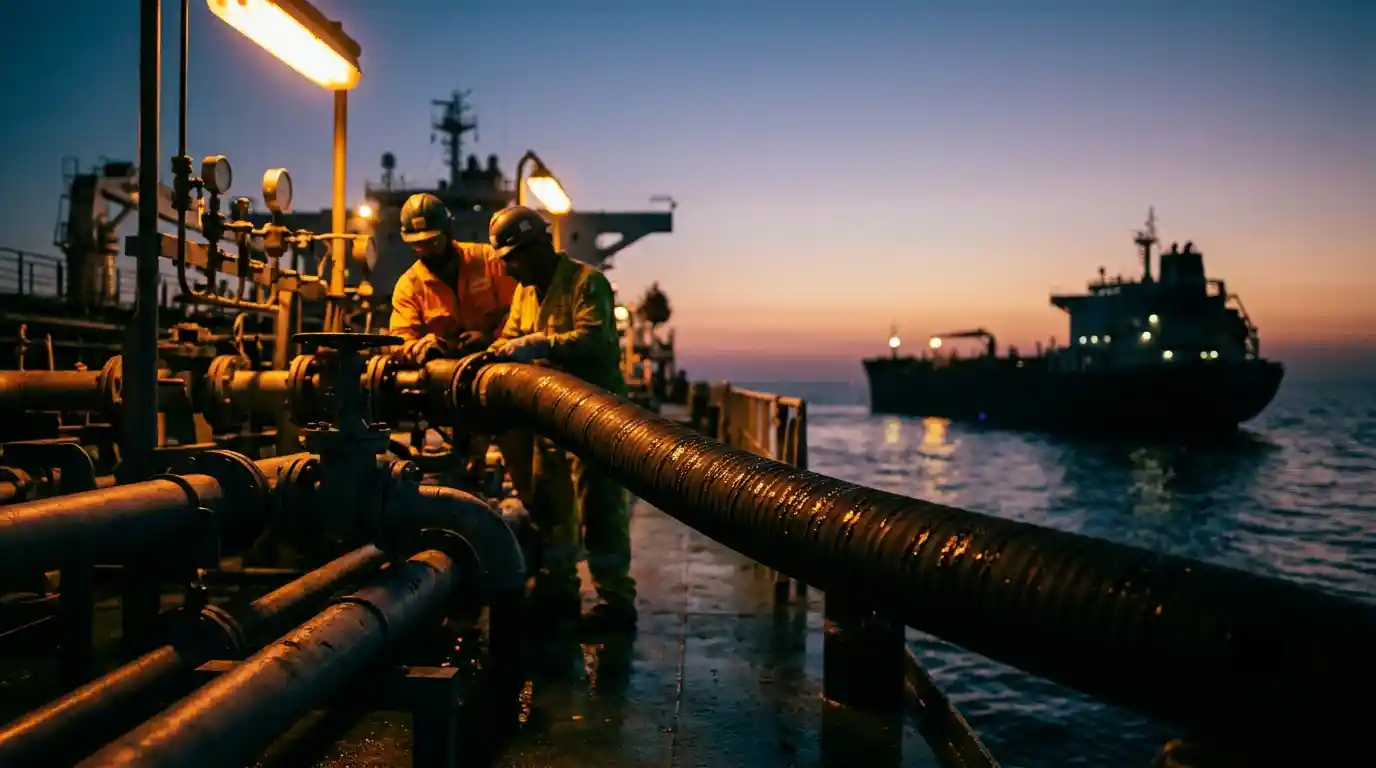
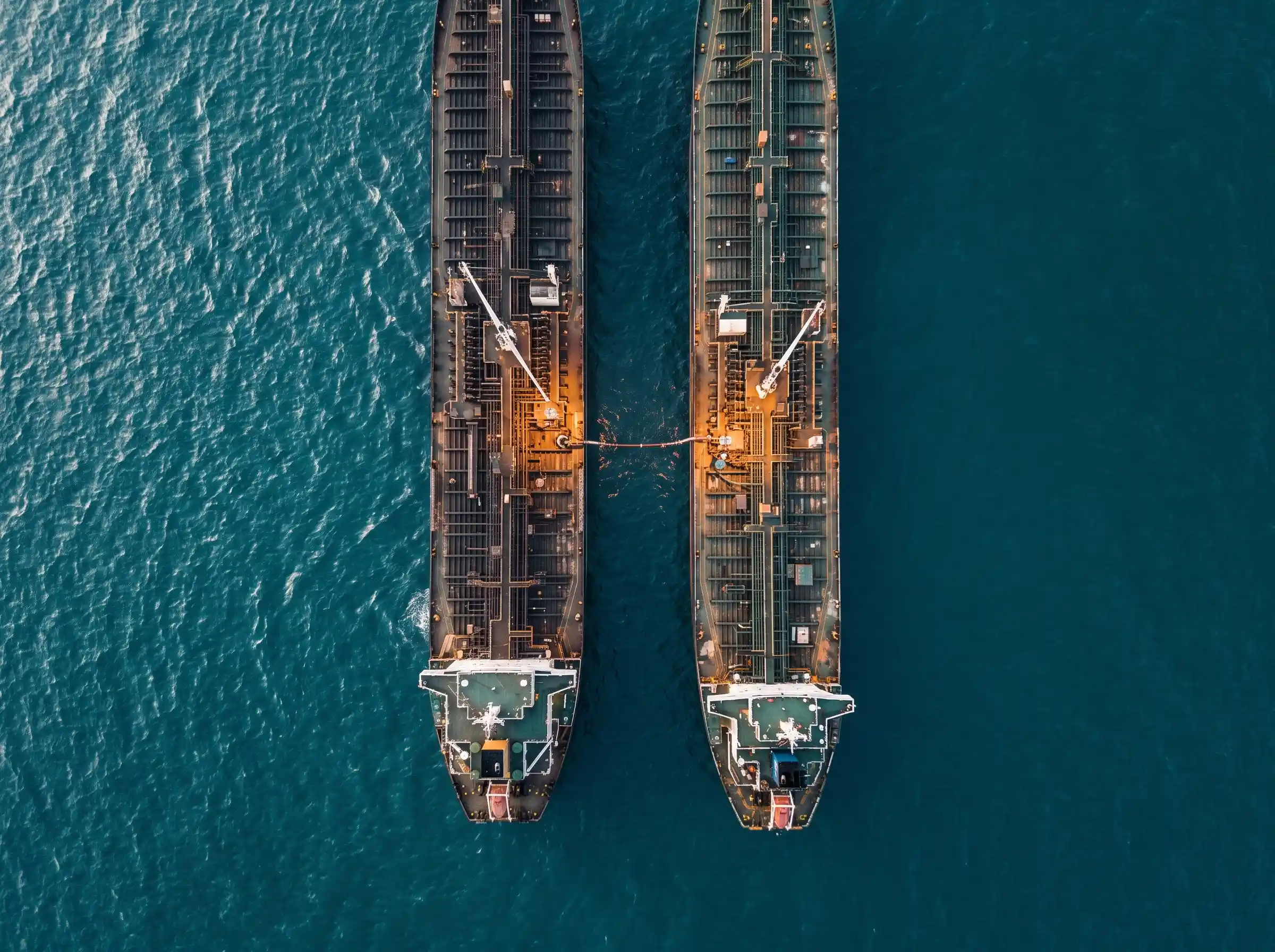
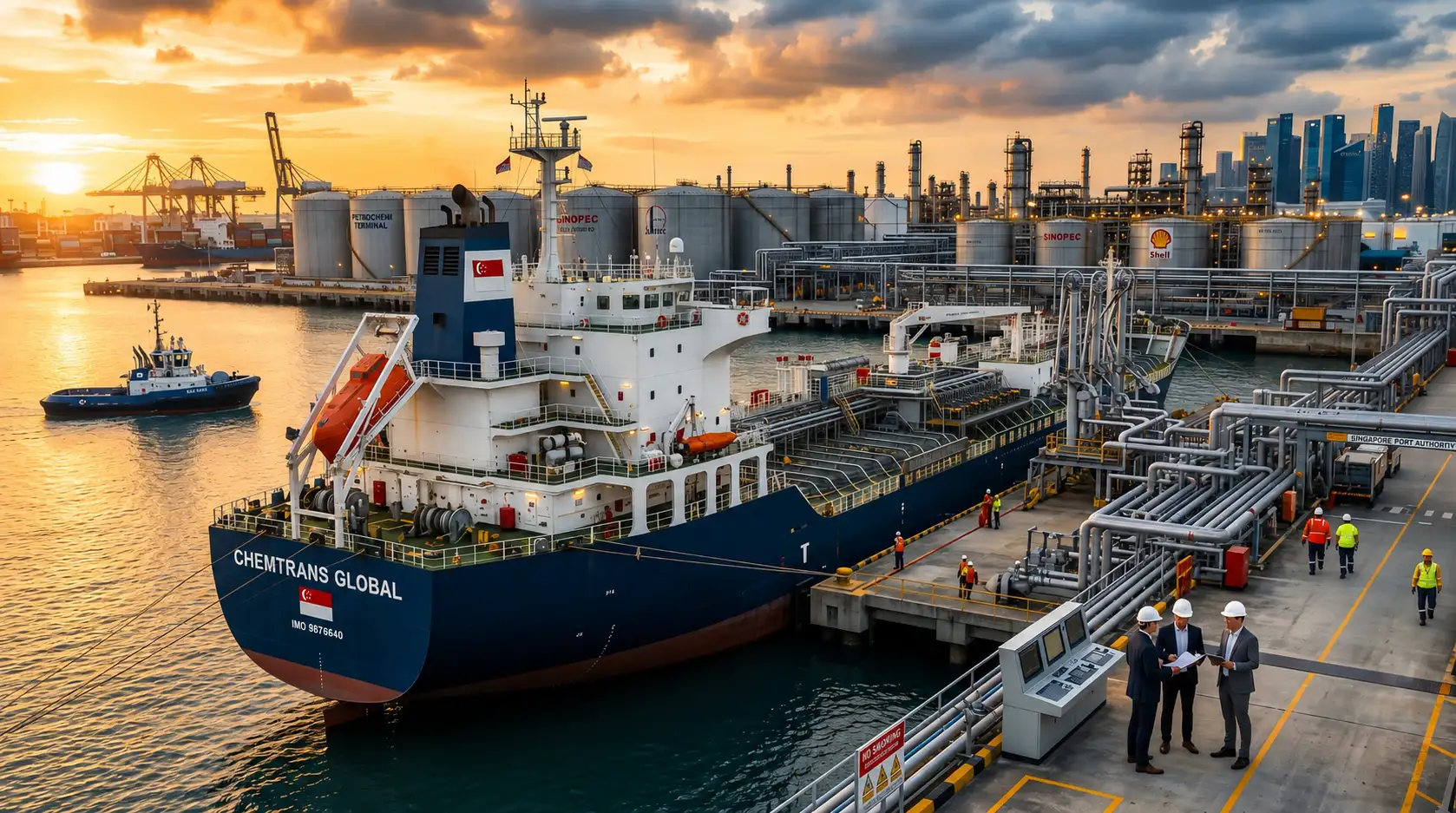
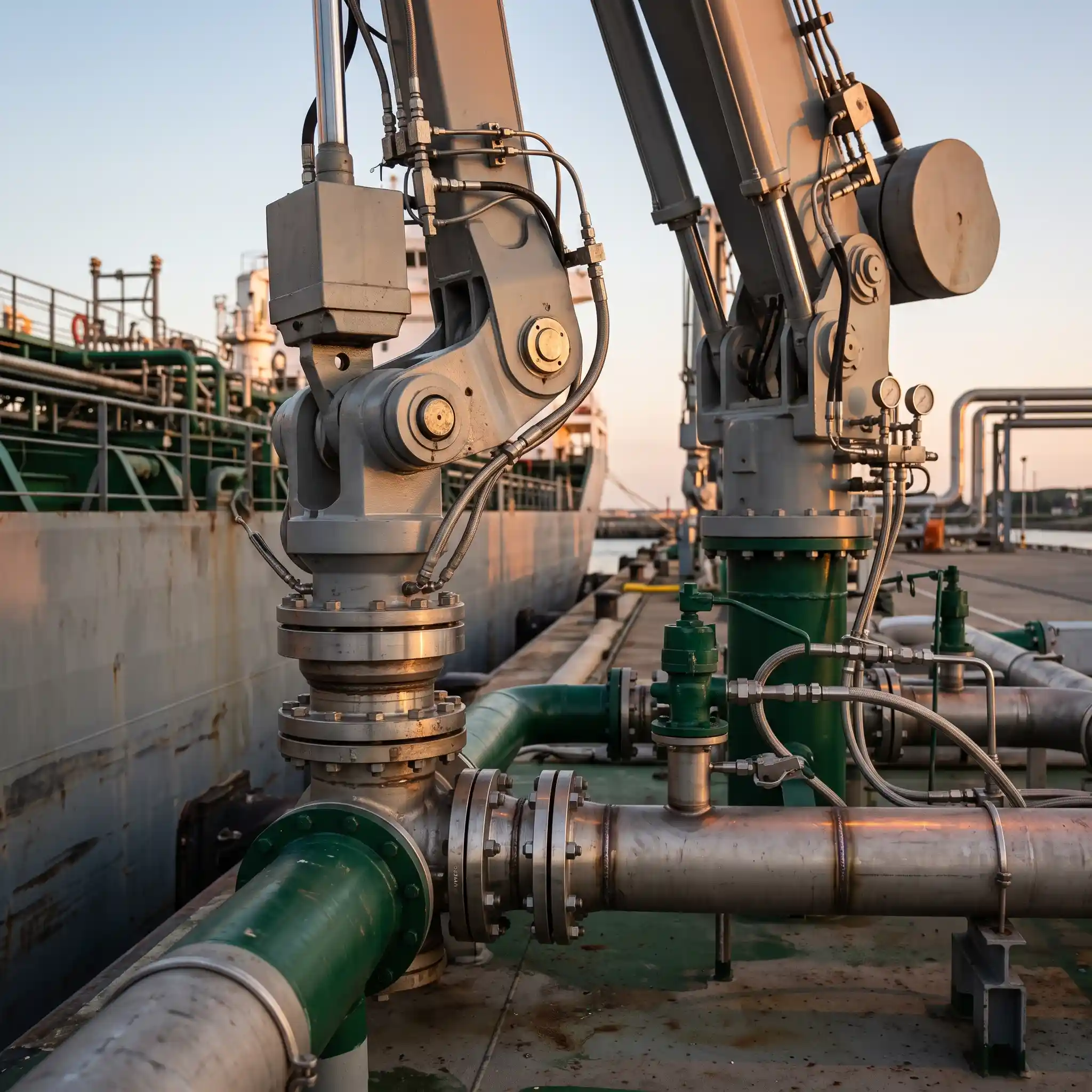
Getting the logistics of export-grade industrial fuel right means knowing the exact delivery point, product grade, and permitted sulfur level — a mismatch on any of these can make a cargo unsuitable for its target market. Gasoil 5000 ppm, known commercially as Iran D2, is primarily used in heavy industry, power generation, and marine bunkering, and is delivered OPL (Off Port Limits) at Khark, Qeshm, and Larak in Iranian waters, and Shinas in Omani waters; this range of delivery points is what makes fast ship-to-ship (STS) transfers possible for a buyer's fleet.
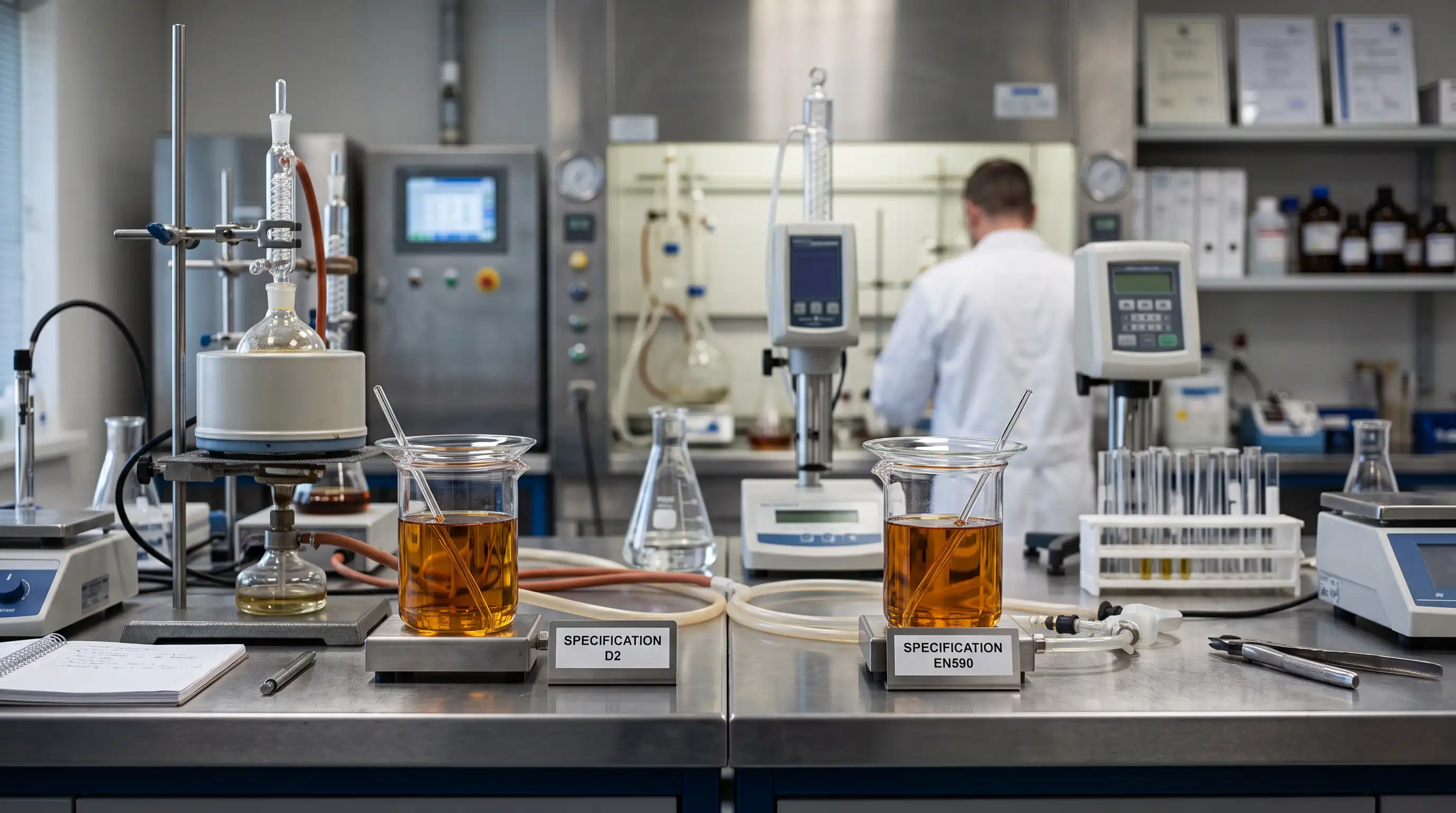
EN590 diesel, by contrast, is the European standard capped at 10 mg/kg sulfur, which is why it's called Ultra-Low Sulfur Diesel (ULSD). A cetane number of at least 51, density between 820 and 845 kg/m³, and kinematic viscosity of 2.0 to 4.5 mm²/s at 40°C are among the parameters that keep this grade compatible with diesel particulate filters (DPF) and SCR catalysts. Full technical detail on both grades is covered in Technical Specifications of D2 Diesel for Export and the Gasoil 5000 ppm (D2) and EN590 Diesel Fuel product pages.
Granular and Micronized Sulfur: From Refinery to Downstream Industry
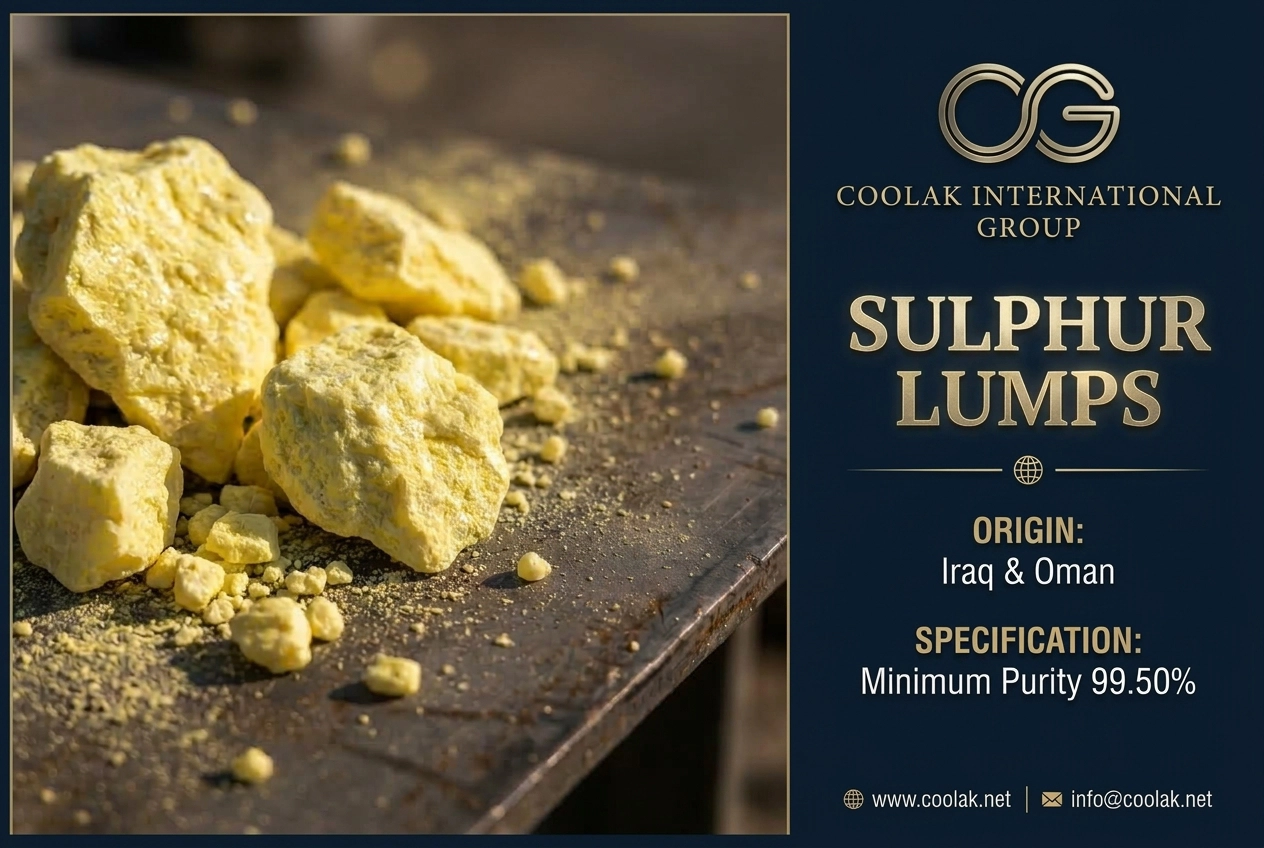
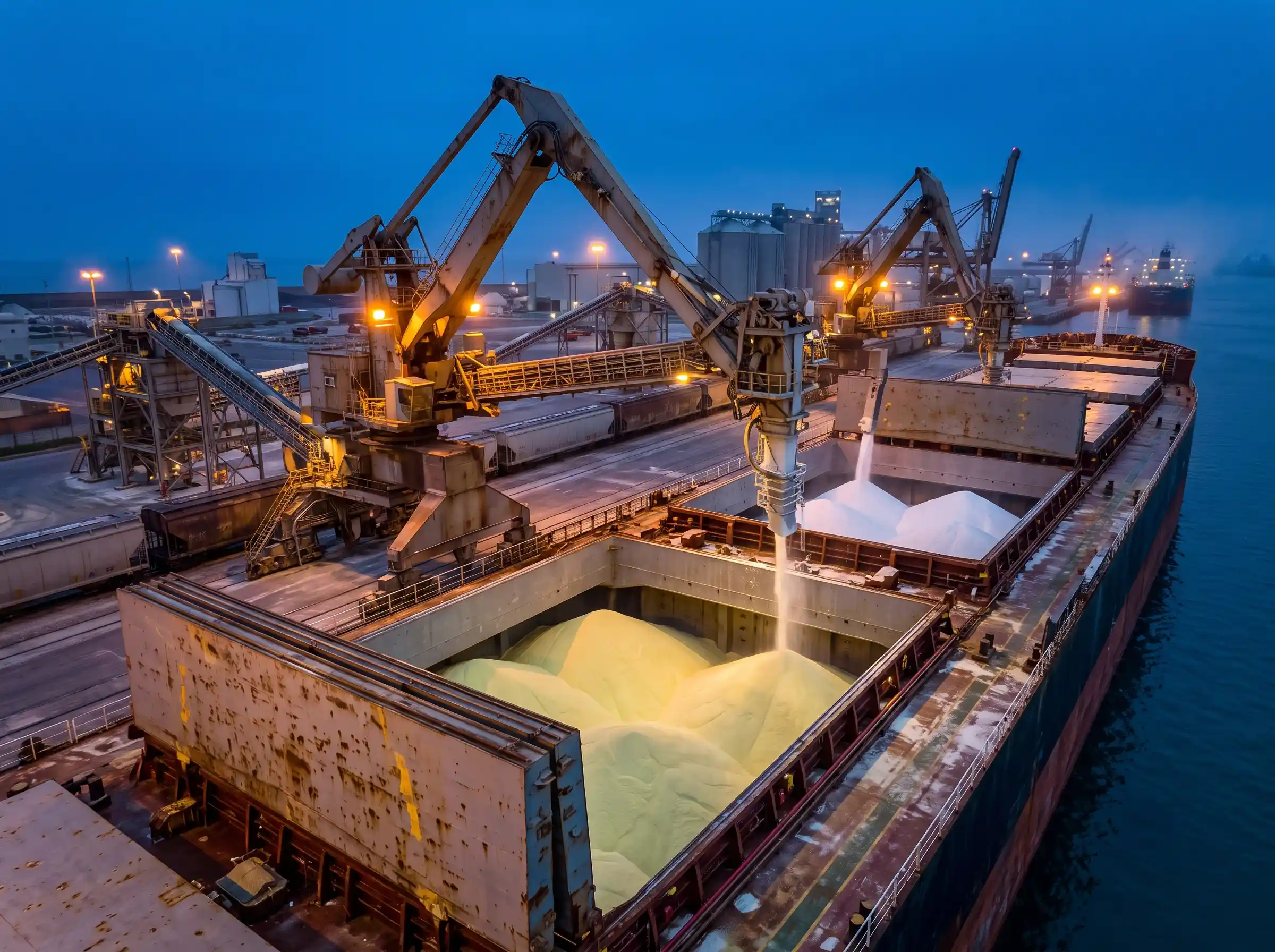
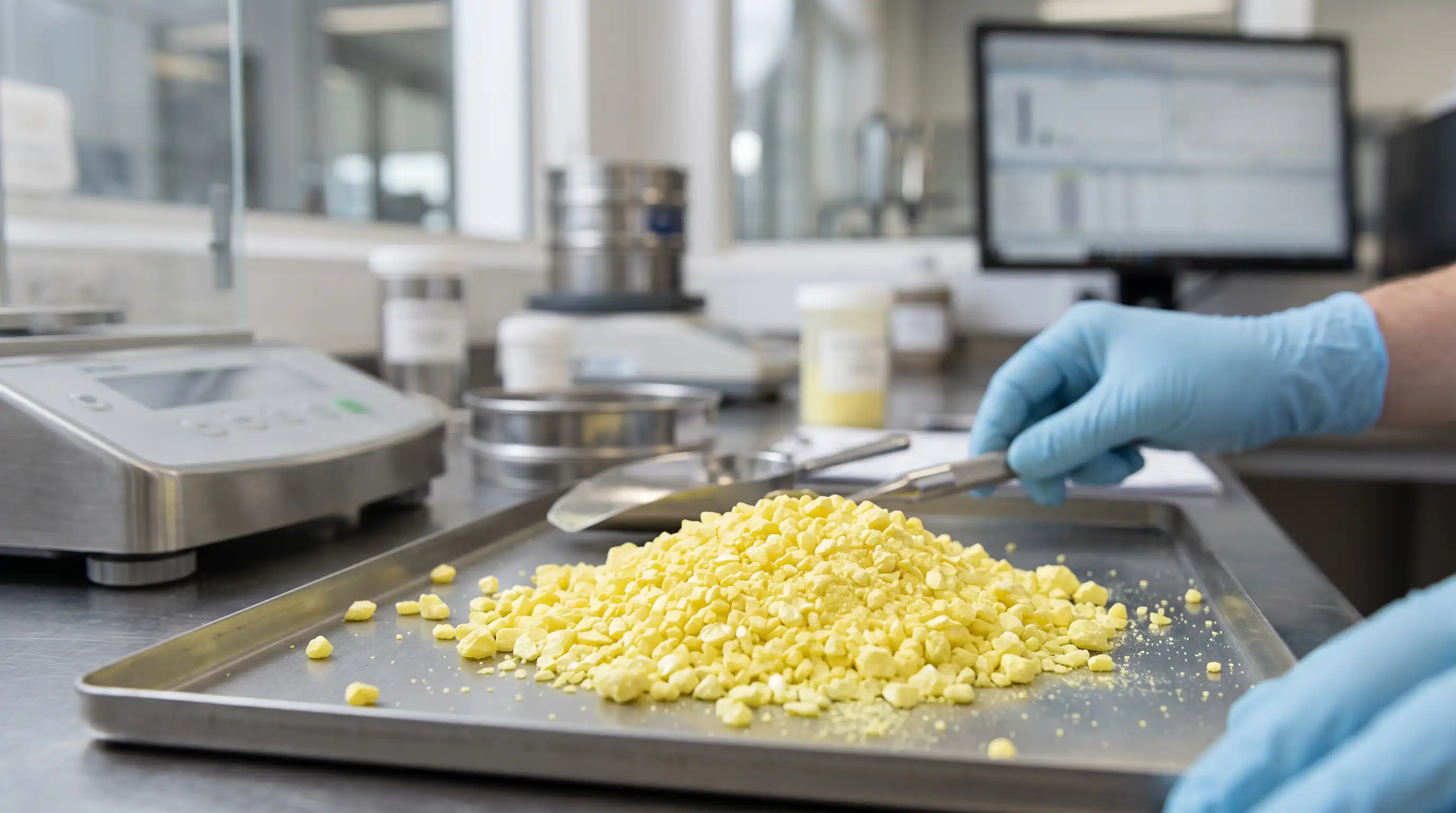
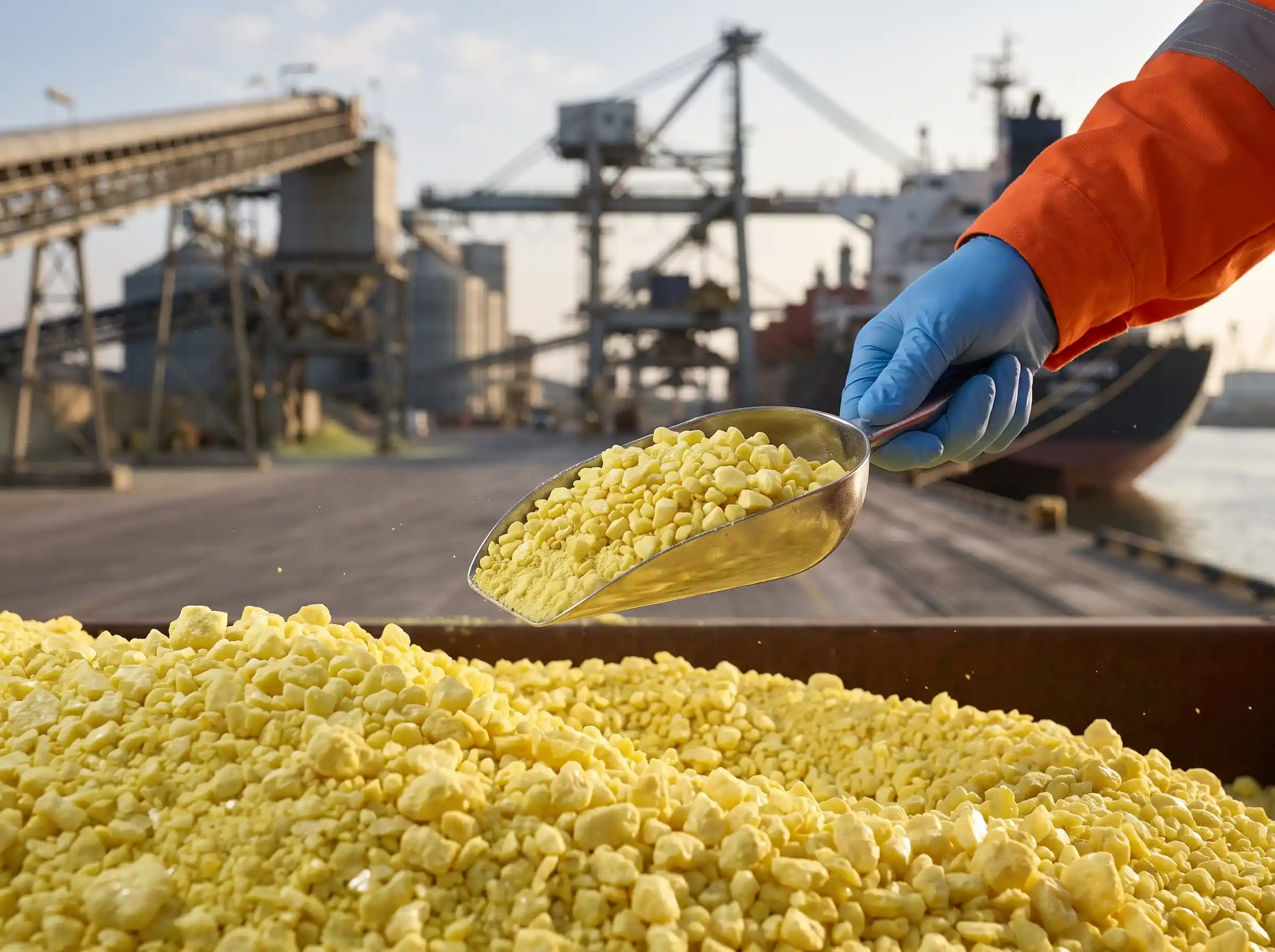
The sulfur Coolak International Group supplies is mainly recovered sulfur, a by-product of gas and oil refining, bright yellow in color, with purity tailored between 99.5% and 99.98% depending on buyer needs. Two forms are available: granular sulfur, suited to bulk shipping and long-term storage, and micronized sulfur, with a fine particle size for applications needing fast reactivity in rubber and advanced agricultural use. Sourcing terms and minimum orders vary by origin: Russia at CIF from 50,000 MT/month, Kazakhstan at CIF from 30,000 MT/month, Turkmenistan at FOB Bandar Abbas from 10,000 MT, and Iran at FOB Bandar Abbas from 1,000 MT. Every shipment ships with a Certificate of Analysis (COA), SGS inspection, Certificate of Origin, and Material Safety Data Sheet (MSDS), compliant with the IMSBC Code for chemical cargo. Full detail is on the Granular & Micronized Sulphur product page and in What is Granular Sulfur?
Methanol and Asian Markets: Why Direct Sourcing Matters
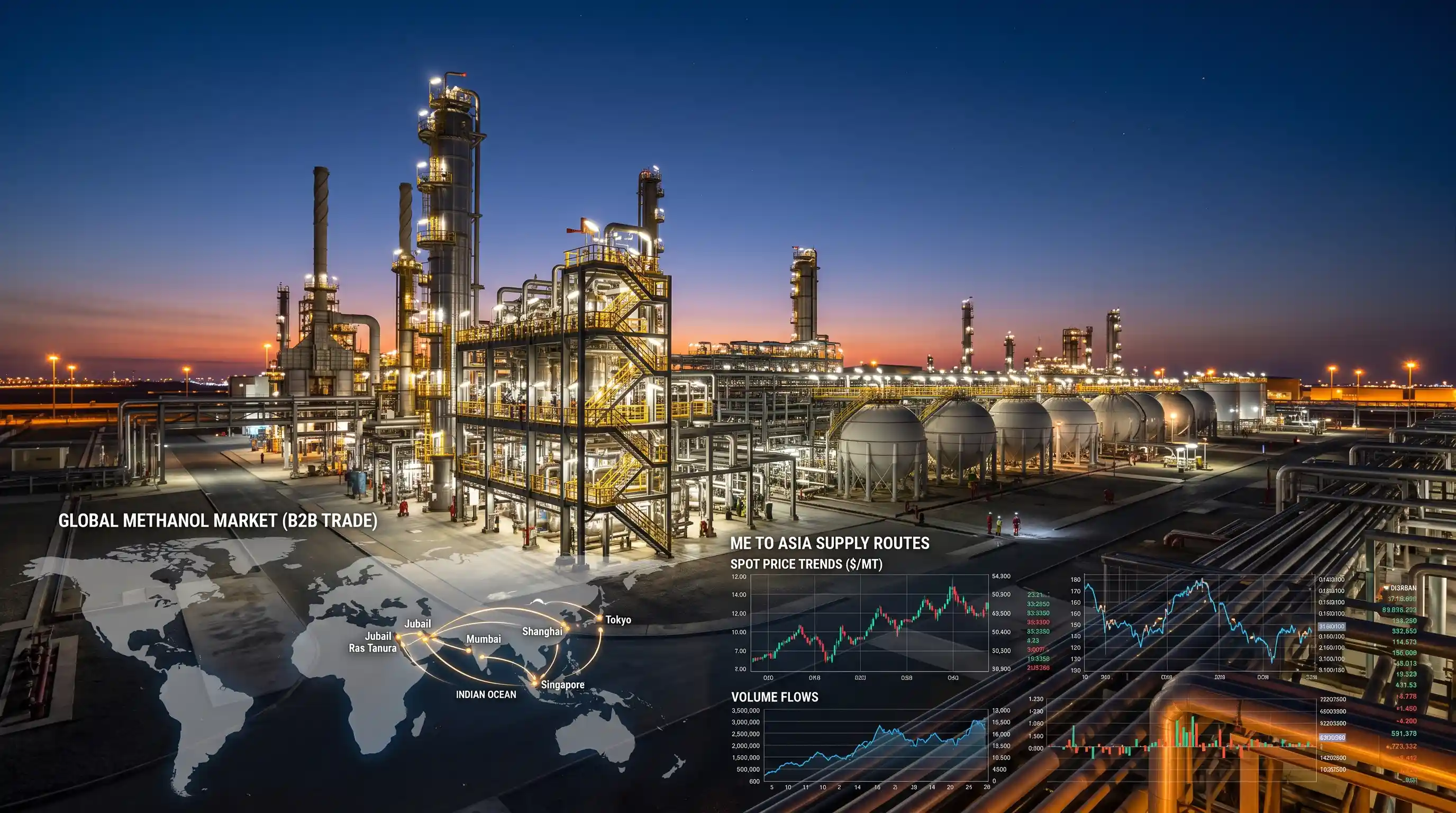
Methanol is one of Iran's core petrochemical base products, with a large share of demand coming from China, India, and Southeast Asia; sourcing it directly means coordinating straight with refinery sales managers and allocating dedicated chemical tankers instead of routing the cargo through multiple broker layers. Ocean transport of methanol carries its own safety requirements — from IBC Code compliance to managing cargo temperature during transit — and getting this right directly affects both delivery timing and final product quality. For a full look at target markets, pricing trends, and Asian buyer profiles, these dedicated articles go deeper:
Managing Hidden Risk with ICC-Standard Contracts
The biggest risk in petrochemical trade sits not in cargo quality but in the exact point where responsibility transfers between buyer and seller — which is precisely why contract structure matters. Coolak International Group builds every deal on International Chamber of Commerce (ICC) standards so the exact location of risk, cost, and responsibility is clear from the proforma stage onward.
Incoterms 2020 and the Risk Transfer Point
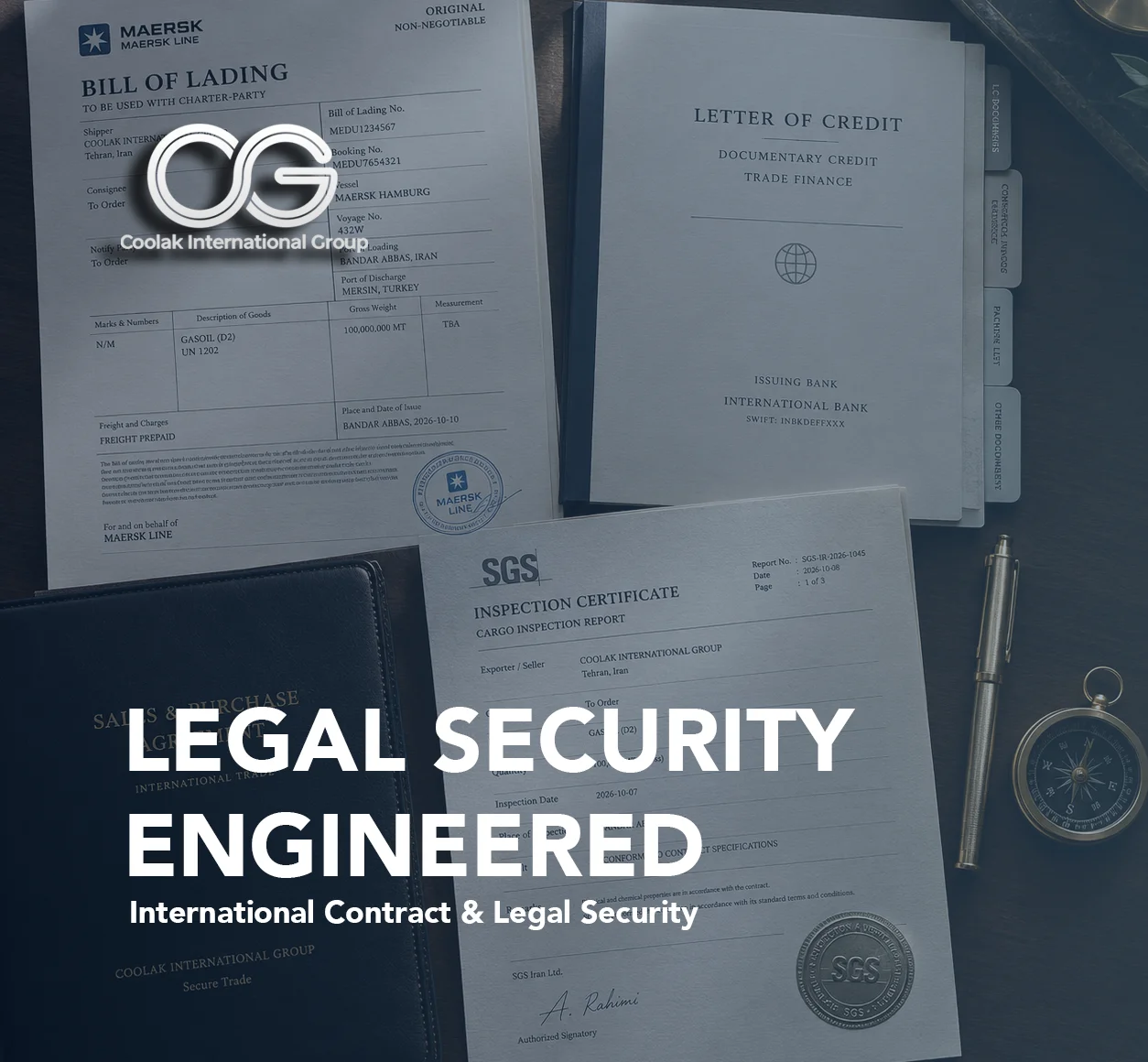
Defining responsibilities precisely from the moment cargo leaves the originating plant through loading on board (FOB) or final delivery at the destination port (CIF) prevents hidden demurrage costs and customs clearance disputes. A full guide to all eleven trade terms is available in What is Incoterms 2020?
Secure Financial and Credit Instruments
Depending on the product and deal size, payment structure can include SWIFT bank wire transfer (TT/MT103), a Letter of Credit at Sight (LC) from a reputable international bank, or a Standby Letter of Credit (SBLC – MT760) for long-term, multi-shipment contracts. Choosing the right mechanism depends more on the trust built between the parties and contract volume than on any single fixed formula.
Independent Inspection and Quality Certification (SGS)
Before the final Bill of Lading is issued, petrochemical shipments go through inspection by reputable third-party firms such as SGS or Intertek, resulting in a Quality and Quantity Certificate (Q&Q Certificate). This step keeps post-delivery disputes to a minimum and is the only objective confirmation of quality for a buyer who cannot inspect the cargo in person.
Making an Informed Decision for Your Petrochemical Trade
A lasting presence in the petrochemical market takes a combination of product-level technical knowledge, command of shifting customs regulations, and access to verified production sources — not just a competitive price quote. Coolak International Group has operated on this belief since 2017: a deal's success is decided long before any contract is signed, which is why full transparency in the process, careful supplier verification, and a willingness to advise against a transaction that isn't in the buyer's interest are built into how we work. To structure your transaction on ICC standards, our International Contracts & Legal Security service is available; and if you're looking for direct access to production hubs across Iran, Russia, Kazakhstan, Turkmenistan, and Iraq, Coolak's Trading Network is built for exactly that. Reach out to our commercial team for an official quote or contact us for a consultation. Secure trade begins with better decisions.
Need product guidance?
Contact our team for specifications, availability, and pricing details.