The question “what is methanol?” requires more than a chemical definition when the reader is a bulk buyer. Methanol is a toxic and highly flammable liquid whose actual quality must be measured through agreed sampling procedures, test methods, and contractual acceptance limits. Descriptions such as “Methanol AA Grade” do not, by themselves, prove that a shipment is compatible with the requirements of a production plant, destination regulations, or transportation tanks.
In B2B trade, differences between the proposed specification, the producer’s certificate of analysis, and independent inspection results can lead to cargo rejection, discharge delays, demurrage, or contractual disputes. Buyers and traders should assess the intended application, quality basis, point of risk transfer, sampling procedure, shipping documents, and the seller’s actual capabilities before finalizing the price.
Founded in 2017, Coolak International Group believes that a successful transaction is shaped before contract signing, when information is completed, counterparties are verified, and the appropriate commercial structure is selected. This article examines methanol from production and applications to specifications, transportation, and transaction assessment.
Key Takeaways:
Methanol, with the chemical formula CH₃OH, is a base feedstock for chemical, fuel, and downstream industries.
The general properties of methanol are not the same as the guaranteed specifications of a shipment.
IMPCA provides a reference specification, but final requirements should be stated in the contract between the buyer and seller.
Prices can only be compared when quality, quantity, delivery basis, port, loading period, and additional costs are aligned.
In bulk transactions, inspection, sampling, tank cleanliness, documentation, and counterparty credibility are as important as price.
What Is Methanol and What Are Its Characteristics?
Methanol, or methyl alcohol, is the simplest member of the alcohol family. It has the chemical formula CH₃OH and a molecular weight of 32.04. At ambient temperature, it is a colorless, volatile, water-miscible, toxic, and highly flammable liquid.
Its reference boiling point is approximately 64.7°C, its freezing point is approximately −97.8°C, its density is about 0.79 grams per cubic centimeter, and its flash point is approximately 12°C. These figures describe the general properties of the substance and should not replace a shipment specification or certificate of analysis.
The NIOSH Emergency Response Safety and Health Database provides reference information on methanol’s physical properties and safety risks.
The Structure and Basic Properties of Methanol
A methanol molecule consists of one methyl group and one hydroxyl group. This structure makes methanol highly miscible with water.
Its volatility, low flash point, and the difficulty of seeing its flame in daylight make leak control and fire response especially important. The Methanol Institute Safe Handling Manual also emphasizes the toxic and flammable nature of methanol.
The Difference Between Intrinsic Properties and Commercial Shipment Specifications
Intrinsic properties such as chemical formula, molecular weight, and boiling point are common to methanol as a substance. Commercial specifications, however, may differ depending on the application, contract, and test method.
Two shipments may both be described as methanol but produce different test results for water, ethanol, acetone, chlorides, sulfur, acidity, or nonvolatile matter.
Why Is the Term “AA Grade” Not Sufficient by Itself?
AA Grade is a common commercial term, but without a table of acceptance limits and defined test methods, it is not a reliable basis for accepting a cargo.
The buyer should identify which document governs the transaction, where the sample will be taken, which laboratory is accepted, and which procedure will apply if test results differ.
A Practical Decision for Bulk Buyers
Instead of writing only “Methanol AA Grade” in an RFQ, LOI, ICPO, proforma invoice, or draft contract, include the complete specification table, test methods, tolerances, sampling reference, and consequences of nonconformity.
This reduces the risk of disagreement over the meaning of the grade after loading.
How Is Methanol Produced?
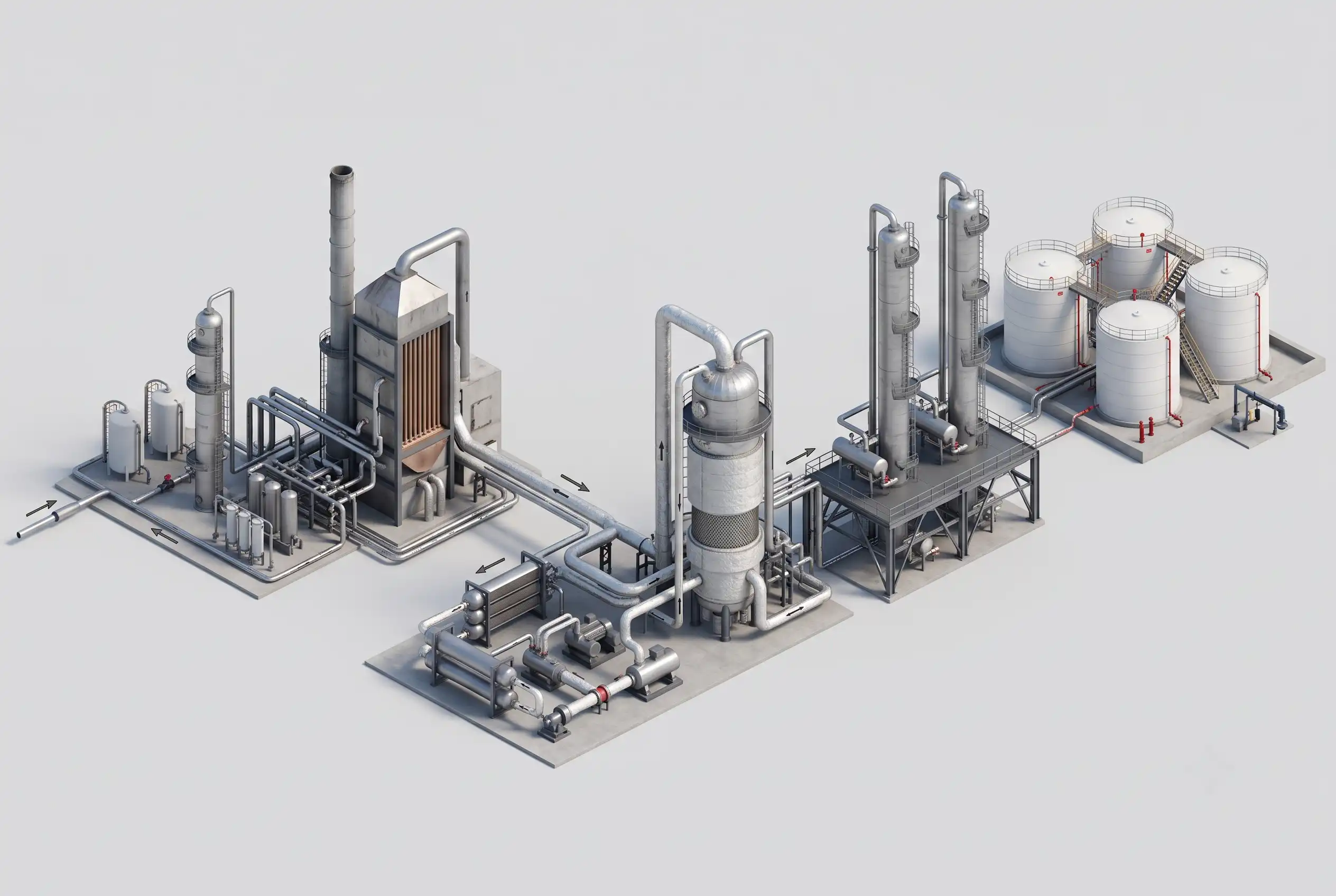
Industrial methanol is generally produced by creating synthesis gas and then converting it into crude methanol through a catalytic process.
Natural gas is the most common feedstock in many regions. Coal also plays an important role in China. Newer production routes use biomass or combine carbon dioxide with hydrogen produced from renewable electricity.
The final product is chemically the same CH₃OH molecule, but the source of the feedstock and energy can affect cost, emissions intensity, traceability, and commercial conditions.
Stage One: Feedstock Preparation and Synthesis Gas Production
In natural-gas-based units, the feedstock is treated and then converted through reforming into a mixture of hydrogen, carbon monoxide, and carbon dioxide.
In coal-based production, gasification performs this function.
The composition of the synthesis gas must be adjusted before the next stage.
Stage Two: Catalytic Synthesis
The synthesis gas is compressed and passed through a catalytic reactor. Under controlled pressure and temperature, it is converted into crude methanol.
Unreacted gases are recycled into the process.
Stage Three: Distillation and Purification
During distillation, light components, water, and heavy impurities are separated.
The quality of the final product does not depend only on the production unit. A shared storage tank, pipeline, hose, or vessel can contaminate methanol that originally met the required specification.
How Is Renewable Methanol Different?
Bio-methanol can be produced from biomass, biogas, or biological waste. E-methanol is produced from carbon dioxide and renewable hydrogen.
The International Renewable Energy Agency’s report on renewable methanol explains that the final product is chemically identical to fossil-based methanol.
The commercial difference lies in feedstock origin, electricity source, emissions calculation, and traceability documents.
A claim such as “green” or “low-carbon” methanol should be supported by a clear methodology and appropriate certification.
What Are the Main Applications of Methanol?
Methanol is used as a chemical feedstock, solvent, and energy carrier.
A large share of its demand comes from the production of chemical derivatives, while another share is connected to fuel applications and methanol-to-olefins processes.
For the buyer, the final application determines which impurities are critical, which tests are required, and which limits should be included in the contract.
Formaldehyde and Resin Production
Formaldehyde is one of the most important methanol derivatives.
It is used in the production of resins for MDF, adhesives, coatings, and engineered components.
Methanol impurities may affect the reaction and the quality of the downstream product.
Acetic Acid and Its Derivatives
Methanol carbonylation is an important industrial route for producing acetic acid.
Acetic acid is used in solvents, coatings, adhesives, and chemical intermediates.
The specification should be compatible with the requirements of the receiving process.
Methanol-to-Olefins and Methanol-to-Propylene
In methanol-to-olefins, or MTO, methanol is converted into ethylene and propylene.
In methanol-to-propylene, or MTP, the process is designed to produce a greater share of propylene.
These routes connect methanol to polymer and plastics value chains.
Iran’s Petrochemical Industry Yearbook also identifies methanol-to-propylene projects as part of petrochemical value-chain development.
MTBE, DME, and Fuel Applications
Methanol is used as a feedstock for MTBE and DME and also has direct fuel applications.
Marine methanol may be subject to requirements that differ from those applied to chemical feedstock. ISO 6583:2024 is an example of a standard created specifically for this application.
A single specification should therefore not be applied to every use.
Solvent, Antifreeze, and Process Applications
Methanol is used in solvents, antifreeze fluids, chemical intermediates, and various industrial processes.
Each application may have different sensitivities to water, chlorides, sulfur, aromatic compounds, or other impurities.
The correct starting point for procurement is the product requirement provided by the end user.
Technical Specifications for Bulk Methanol Purchases
A reliable technical specification should be connected to a reference document, a specific version, defined test methods, and a contractual agreement.
The International Methanol Producers and Consumers Association, known as IMPCA, published Version 10 of its methanol reference specifications on October 25, 2024.
IMPCA states that this document is a reference and not a mandatory industry-wide standard. Requirements specific to a consumer or supplier should be agreed in the contract.
Examples of IMPCA Reference Parameters
Parameter | Unit | IMPCA Version 10 Reference Limit |
|---|---|---|
Appearance | — | Clear and free from suspended matter |
Purity on a dry basis | Weight % | Minimum 99.85 |
Water | Weight % | Maximum 0.100 |
Acetone | mg/kg | Maximum 30 |
Ethanol | mg/kg | Maximum 50 |
Color, Pt-Co | — | Maximum 5 |
Specific gravity at 20/20°C | — | 0.7910–0.7930 |
Acidity as acetic acid | mg/kg | Maximum 30 |
Chloride | mg/kg | Maximum 0.5 |
Sulfur | mg/kg | Maximum 0.5 |
Nonvolatile matter | mg/1000 ml | Maximum 8 |
This table is provided for initial comparison and understanding.
The contract should state the full name of the reference, the applicable version, the test method for each parameter, and the order of precedence if documents conflict.
The complete IMPCA Reference Specifications and the applicable analytical methods should be reviewed before using these values contractually.
What Does a COA Prove, and What Does It Not Prove?
A certificate of analysis reports the results obtained from a specific sample.
Its reliability depends on the identity of the sample, sampling location, laboratory, and test method.
A producer’s COA does not necessarily prove the condition of the product after transfer to a port tank or vessel.
In sensitive transactions, independent inspection should be defined with a clear scope, location, and time.
Inspection does not eliminate risk, but it can reduce uncertainty.
What Is the Difference Between SDS, TDS, Specification, and COA?
An SDS explains hazards, safety measures, emergency response, and transportation information.
A TDS provides general technical information about the product.
A specification defines the agreed quality limits.
A COA reports the test results for a specific sample or batch.
Replacing one document with another can lead to errors in transaction assessment.
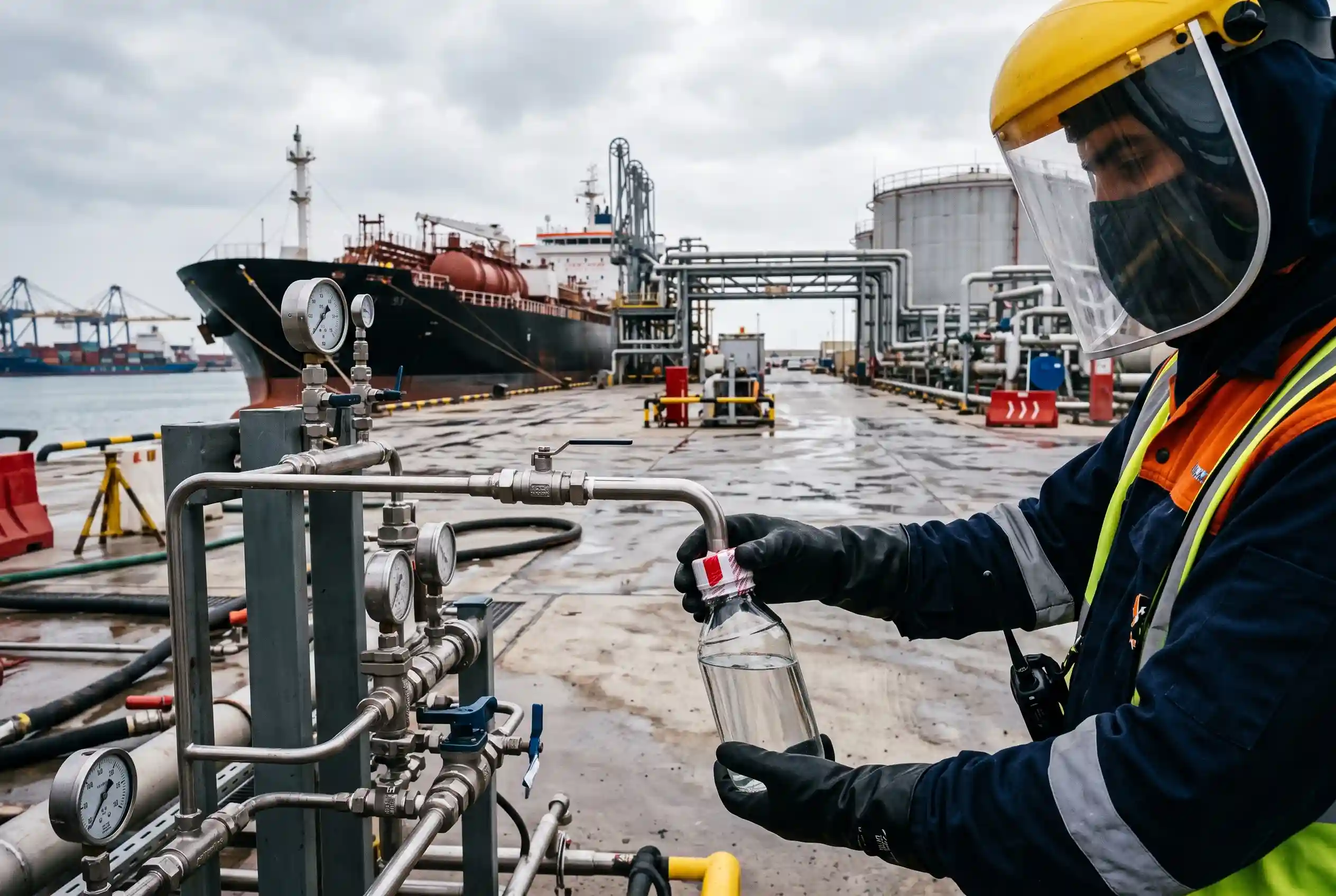
Methanol Safety, Storage, and Transportation
Methanol can enter the body through inhalation, ingestion, or skin contact.
Severe exposure may cause serious effects, including visual damage and death.
The NIOSH methanol safety resource identifies methanol as toxic and highly flammable.
Operational procedures should be based on the supplier’s current SDS, the facility’s risk assessment, and applicable local regulations.
Transportation Classification
Methanol is identified as UN 1230 under dangerous-goods regulations.
It is generally classified as Class 3, with subsidiary risk 6.1 and Packing Group II.
Requirements for labeling, packaging, tanks, documentation, and personnel training should be aligned with the selected transportation mode and the regulations of the countries involved.
The United Nations dangerous-goods documentation provides classification references for methanol.
Contamination Risks in Tanks and Vessels
Contamination may result from previous cargoes, wash water, corrosion, shared lines, or transfer hoses.
Cargo history, tank cleanliness, and tank suitability should be reviewed.
The acceptance of a vessel or storage tank should not be based only on a verbal statement.
Sampling and the Final Quality Determination Point
The contract should identify the final quality determination point.
This may be the origin tank, the manifold, a composite sample after loading, or the destination.
The method of sample retention, sealing, and storage period should also be defined.
Without these details, even a qualified laboratory may not be able to resolve a dispute.
A B2B Guide to Buying and Trading Methanol
A methanol transaction can only be assessed properly when the product, counterparty, and transaction structure are reviewed together.
A low price without verifiable origin, actual capacity, a realistic loading program, clear documents, and a workable payment route does not necessarily represent a commercial opportunity.
1. Define the Purchase Requirement Precisely
An RFQ should state the intended application, quantity, destination, transportation method, specification, documents, and delivery period.
A trader should also understand the type of buyer, its authority to make decisions, and its ability to receive the cargo.
2. Compare Prices on the Same Basis
To compare offers, the delivery basis, ports, parcel size, laycan, offer validity, freight, inspection, and insurance should be aligned.
The article Methanol Pricing Factors examines the effects of feedstock, demand, plant shutdowns, and transportation costs.
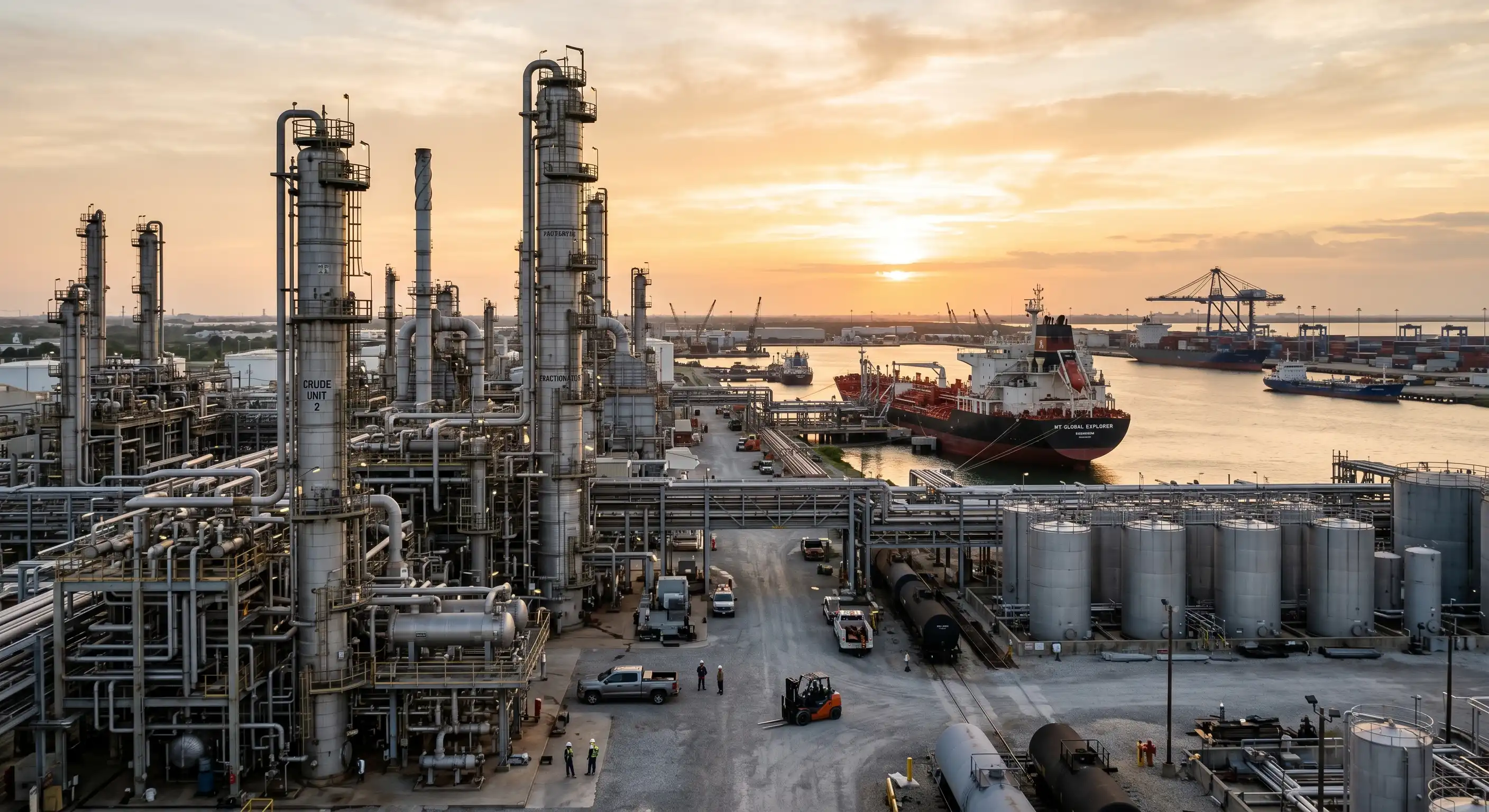
3. Verify the Seller and the Chain of Authority
Company registration, identity of the signatory, authority to sell, relationship with the cargo owner, and verifiable records should be reviewed.
A long chain of intermediaries increases the risk of inconsistencies in price and authority.
Proof of product and other sensitive documents should be shared gradually and through a verifiable process.
4. Select the Correct Incoterm and Risk-Transfer Point
FOB, CFR, and CIF allocate responsibilities differently.
Incoterms allocate transportation responsibilities, costs, and risk, but they do not replace provisions on title, payment, quality, or dispute resolution.
The Incoterms 2020 Guide explains the allocation of responsibilities under common Incoterms rules.

5. Draft Operational Quality and Quantity Clauses
The contract should define the specification, test methods, quantity measurement basis, tolerance, inspector, sampling location, reporting time, and consequences of off-specification cargo or shortages.
Possible remedies may include cargo rejection, an agreed price adjustment, replacement, reprocessing, or another defined solution.
The appropriate remedy depends on the transaction and the practical possibility of implementation.
6. Align Documents With Customs and Payment Procedures
Documents may include:
Commercial Invoice
Quantity Statement
Bill of Lading
Certificate of Origin
Certificate of Analysis
Safety Data Sheet
Inspection Report
Insurance Certificate
The final list should be aligned with the bank, destination customs authority, and payment method to prevent discrepancies or delays.
7. Design the Payment Procedure Around the Actual Transaction
Letters of credit, documentary collections, and telegraphic transfers carry different risks.
Banking access, currency, document timing, and control over the cargo should be reviewed before the payment method is selected.
Security depends on the wording of the conditions and the sequence of obligations, not only on the name of the payment method.
8. Assess the Destination Market and Sales Route
China, India, and other Asian countries are important destinations in the methanol trade, but purchasing behavior, cargo size, port requirements, and distribution systems differ between them.
The article Methanol Buyers in China and India provides additional guidance on these markets.
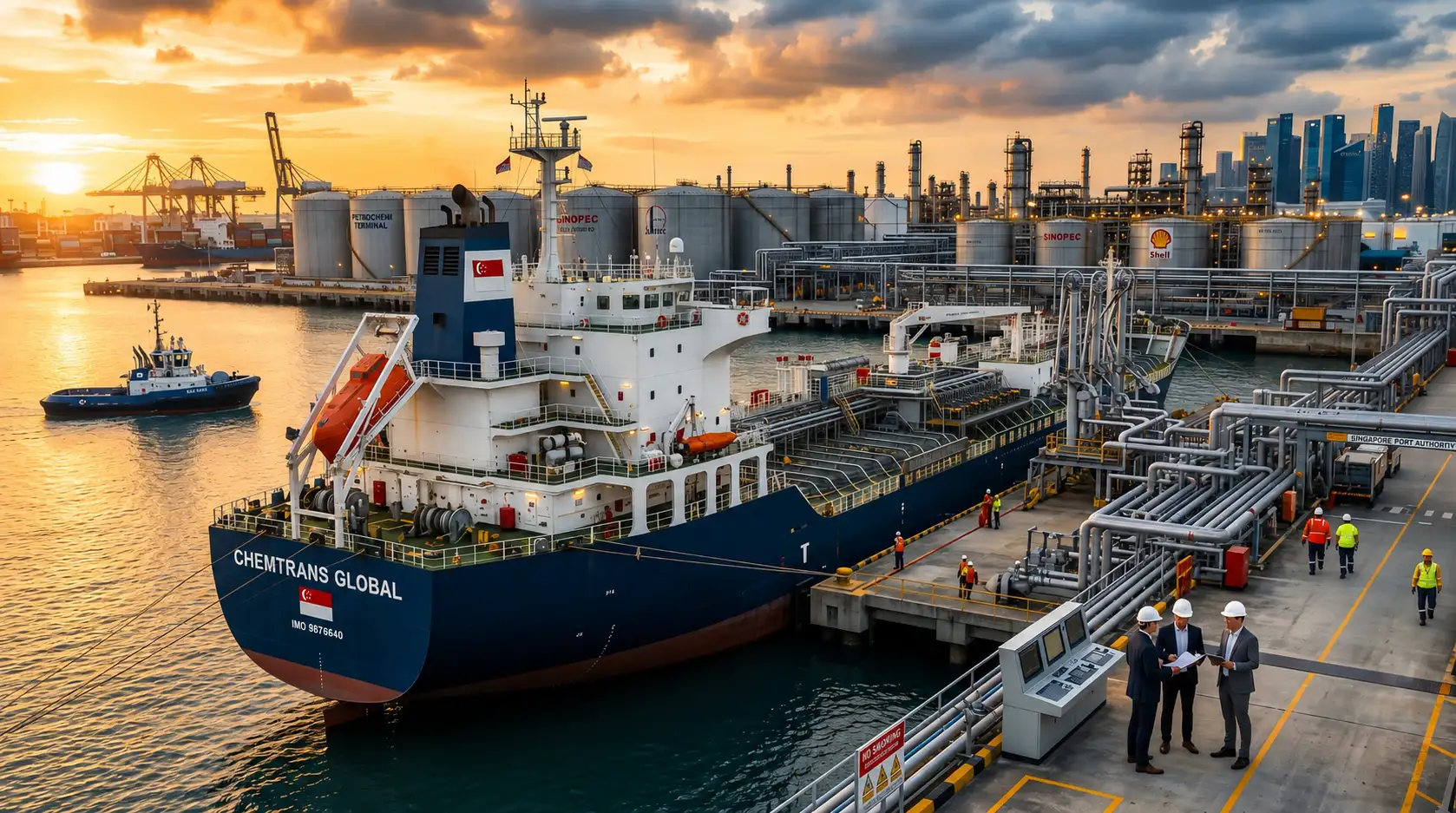
For transactions involving Iranian origin, banking restrictions, insurance, vessel availability, documentation, and destination acceptance should be assessed before commitment.
The article Methanol Exports From Iran provides additional context on supply and logistics.

Any claim about availability, price, inspection, or sales terms should still be verified for the specific cargo.
Methanol’s Position in Iran’s Petrochemical Industry
According to Iran’s Petrochemical Industry Yearbook for 2024, the country’s methanol capacity in 2024 was approximately 15.7 million metric tons per year.
Methanol accounted for about 44% of Iran’s approximately 35.6 million metric tons per year of base petrochemical product capacity.
These figures describe capacity and should not be treated as actual production, export volume, or confirmed available supply.
The same source reports approximately 15.7 million metric tons per year of capacity across 11 complexes in 2024.
Maintenance, feedstock availability, sales commitments, storage inventories, and transportation determine how much material may actually be available during a specific laycan.
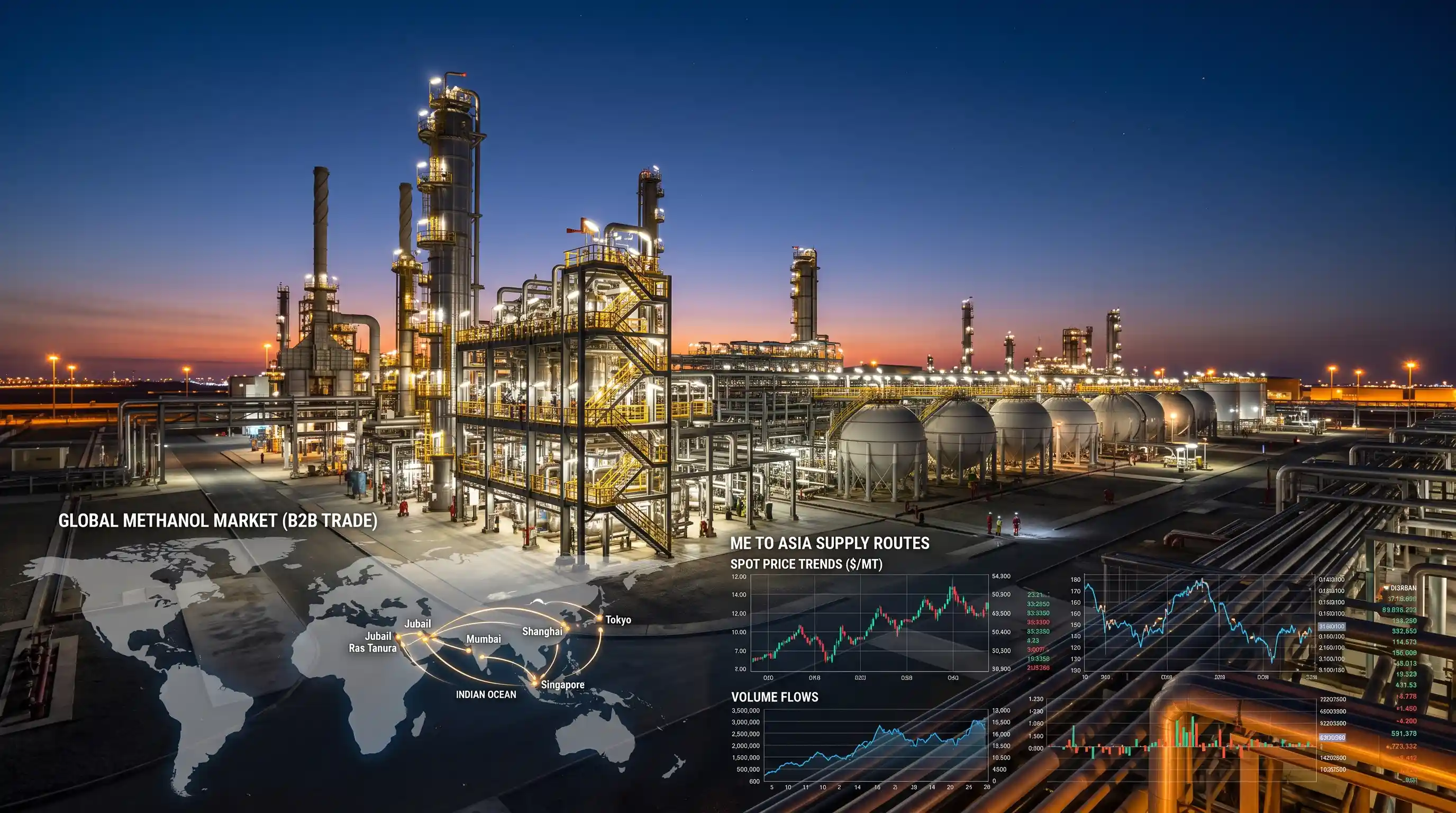
For market analysis, feedstock prices, plant operating rates, MTO economics, downstream demand, freight, and energy conditions should be considered together.
The article Global Methanol Market and Demand Outlook examines these market drivers.
Common Risks in Methanol Transactions
The main risk is not always a fraudulent seller.
A transaction between two legitimate companies may still fail because of an incomplete quality definition, unsuitable tank, unrealistic loading schedule, inconsistent documents, or an inappropriate payment structure.
An Offer Without a Comparable Commercial Basis
A price without a confirmed port, laycan, quantity, specification, or validity period is not sufficient for a procurement decision.
It cannot be compared directly with a complete offer.
Ambiguous or Contradictory Specifications
A proforma invoice, contract, and COA may contain different quality tables.
The governing document and order of precedence should be clear.
Referring to AA Grade, ASTM, and IMPCA at the same time without identifying the applicable version creates ambiguity.
Inspection That Exists Only in the Offer
Naming an inspection company in an offer does not mean that it has accepted an assignment.
The scope, location, timing, cost, and appointing party should be defined.
A Long Chain of Intermediaries
Several brokers may work on the same offer without direct authority.
The communication path, role of each party, and commission structure should be clarified before sensitive documents are exchanged.
A Contract That Cannot Be Implemented
A contract containing many trade terms does not necessarily provide security.
The agreement should clearly address timelines, documents, sampling, payment, delays, and dispute resolution.
The Petrochemical Export Guide provides additional information on common documents and transaction stages for petrochemical products.
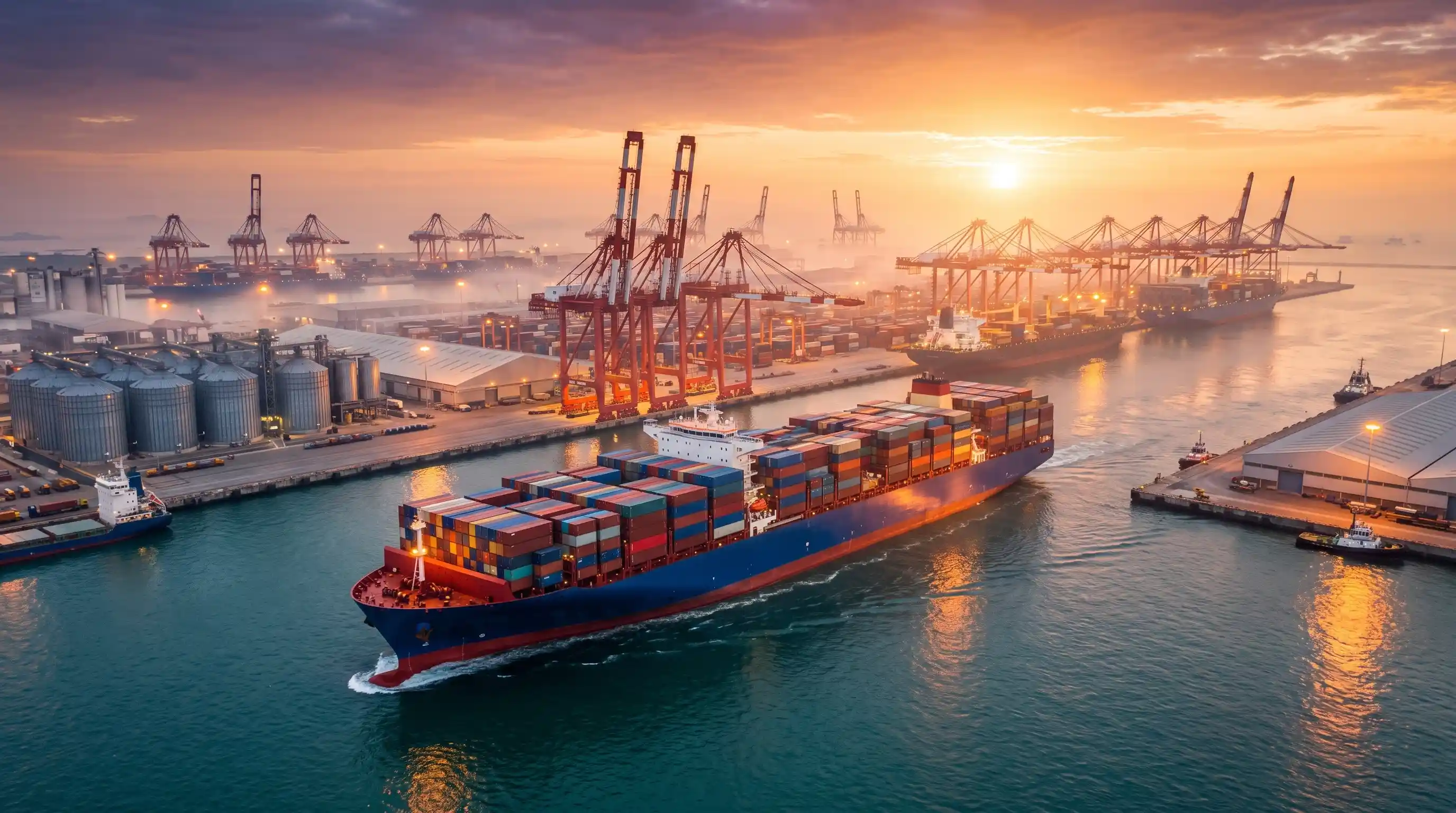
Review the Methanol Transaction Structure Before Making a Commitment
Buying or selling methanol requires coordination between technical, commercial, logistics, financial, and legal functions.
Coolak International Group supports clients with transaction-path assessment, preliminary counterparty verification, and commercial-structure review.
This service does not represent a guarantee of inventory, price, or quality. Each claim should be verified for the specific cargo.
Through its International Trade Contracts and Commercial Legal Services, Coolak International Group focuses on clarifying obligations, documents, control points, and dispute-management mechanisms.
Buyers, sellers, and commercial intermediaries may also submit their requirements through the Trade Requests section.
Secure Trade Begins with Better Decisions.

Need product guidance?
Contact our team for specifications, availability, and pricing details.