
The Strategic Importance of the Methanol Trade
Surpassing an annual production capacity of 14 million metric tons, the regional petrochemical infrastructure has firmly established itself as a central hub for global chemical distribution. Access to vast natural gas reserves—the primary feedstock for these refineries—drastically reduces production overhead, resulting in highly competitive pricing for export markets. For bulk buyers and chemical manufacturing complexes, acquiring high-purity shipments at optimized pricing structures is the lifeblood of corporate profitability.
Executing secure, direct international trade transactions requires precise market intelligence and a reliable strategic partner. Coolak International Group guarantees transparency, quality compliance, and legal security, effectively minimizing the commercial risks associated with complex logistics and contractual negotiations in the petrochemical sector.
Key Takeaways:
Unmatched Quality: Consistent supply of Grade AA methanol with a minimum purity of 99.85%, adhering strictly to rigorous international standards such as ASTM.
Pricing Advantage: Strategic access to cost-efficient gas reserves, ensuring highly competitive final pricing for bulk export shipments.
Geopolitical Logistics: Direct access to open waters via the Persian Gulf optimizes transit times and freight costs to major Asian industrial ports.
Contractual Security: Implementation of standardized ICC trade contracts and mandatory third-party inspection certificates (e.g., SGS) for all cargo.
Technical Specifications: Export-Grade Methanol (Grade AA)
A non-negotiable factor for global buyers is the strict adherence of the cargo to standardized technical analysis. Before addressing broader operational applications, procurement managers must analyze specific chemical parameters. The export methanol sourced by Coolak International Group is strictly categorized as Grade AA, rendering it ideal for highly sensitive industrial applications including acetic acid production, formaldehyde synthesis, and pharmaceutical solvents.
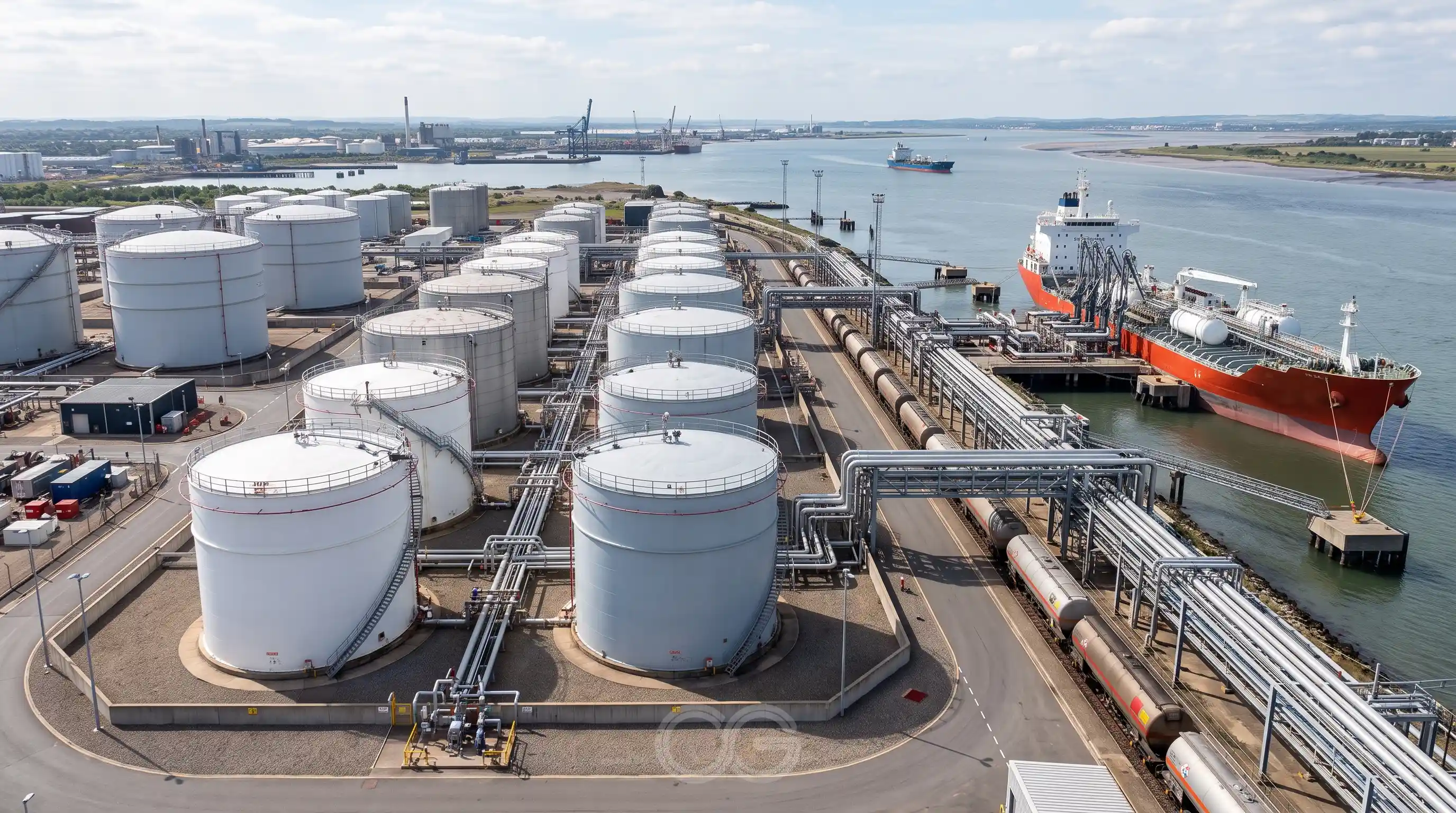
Physical and Chemical Parameters
The standard technical specifications for ready-to-load shipments are detailed below:
Purity: Minimum 99.85 wt%. This high purity level maximizes catalytic reaction efficiency in downstream processes.
Water Content: Maximum 0.1 wt%. Precise moisture control prevents degradation in final product manufacturing.
Specific Gravity (at 20/20°C): 0.792 – 0.793.
Acetone Content: Maximum 30 mg/kg.
Ethanol Content: Maximum 50 mg/kg.
Appearance: Clear, colorless liquid, entirely free from suspended matter.
The Critical Role of Certificates of Analysis (COA)
No shipment is authorized for export without passing rigorous laboratory testing. The issuance of a Certificate of Analysis (COA) and verification by independent international inspection agencies, such as SGS or Geo-Chem at the port of loading, guarantees that the cargo strictly matches the technical specifications declared in the proforma invoice. This uncompromising approach to quality assurance mitigates procurement risks for buyers in distant ports.
Strategic Focus: Methanol Buyers in China, India, and Southeast Asia
Accelerated industrial expansion across Asia has triggered a massive surge in demand for base petrochemicals. The active presence of major buyers across China, India, and the ASEAN region highlights the immense capacity of these markets to absorb high-volume export shipments from the Middle East.
The Chinese Market: The Global Consumption Hub
Operating as the world's chemical manufacturing nucleus, China directs a massive volume of imported methanol into Methanol-to-Olefins (MTO) processes and formaldehyde production. The continuous and escalating demand necessitates high-capacity shipments (often exceeding 30,000 metric tons). The geographical positioning of southern loading ports facilitates direct chemical tanker routing to eastern Chinese terminals, resulting in highly cost-efficient maritime logistics.
India and the Southeast Asian Corridors
Driven by aggressive expansion in pharmaceuticals, industrial solvents, and resin manufacturing, India represents the second most attractive destination. Western Indian ports require very short maritime transit from the Persian Gulf, reducing delivery timelines to mere days. Simultaneously, emerging ASEAN markets—including Indonesia, Malaysia, and Vietnam—are exhibiting double-digit annual growth in their baseline demand for petrochemical inputs.
Market Analysis: Global Methanol Pricing Dynamics
Formulating an optimized procurement strategy demands a sophisticated understanding of market volatility. Monitoring the variables that dictate global pricing models empowers purchasing directors to time their orders effectively and negotiate highly favorable long-term supply agreements.
Global Energy and Coal Valuations
Because a significant portion of Chinese methanol is extracted via Coal-to-Methanol processing, fluctuations in global coal valuations establish the pricing floor in Asian markets. Conversely, natural gas pricing—the primary feedstock for Middle Eastern refineries—dictates the profit margins and pricing flexibility of regional producers.
Logistics and Freight Rate Volatility
As a highly flammable and volatile liquid, methanol transportation requires specialized Chemical Tankers adhering to stringent maritime safety standards. Fluctuations in freight rates across the Persian Gulf, the Indian Ocean, and the South China Sea significantly influence the final cargo valuation under CIF or CFR delivery terms.
Commercial Standards and ICC Legal Frameworks
Executing international sales contracts for bulk petrochemicals demands complete mastery of international trade laws (Incoterms 2020) and ICC legal frameworks. Direct sourcing mandates absolute financial security and process transparency.
Payment Structures and Banking Guarantees
For high-volume transactions, secure payment instruments such as Letters of Credit (LC), Standby Letters of Credit (SBLC), or Telegraphic Transfers (TT) against shipping documents are standard protocols. Coolak International Group deploys expert financial and legal advisory services to secure and streamline payment channels for international buyers.
Logistics and Shipping Documentation
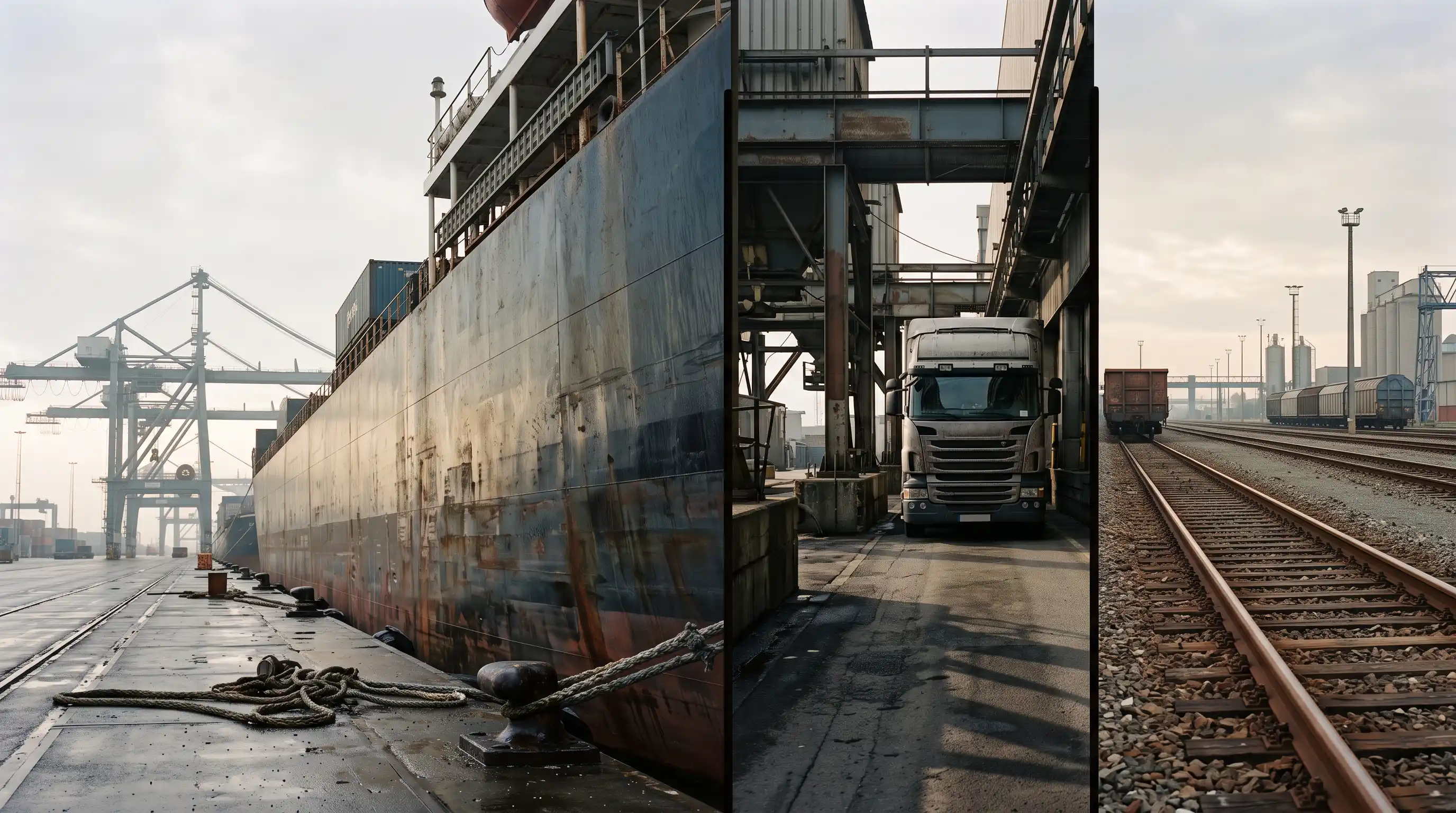
The prompt delivery of accurate export documentation—including the Commercial Bill of Lading, Certificate of Origin, Packing List, and Quality/Quantity Inspection Certificates—is mandatory for seamless customs clearance at the port of discharge. Delays in document presentation can trigger severe demurrage penalties. Managing supply chains at this scale requires a highly synchronized logistics command.
Strategic Procurement Action
Direct sourcing of petrochemical derivatives requires a robust combination of market intelligence, technical validation, and precise logistical execution. Asian industrial markets demand stable resources, and securing unmediated access to Grade AA methanol under competitive terms acts as a defining competitive advantage for manufacturing corporations.
To secure your corporate supply chain and initiate a bulk procurement order, contact the trade specialists at Coolak International Group. We engineer transparent and highly efficient pathways for global B2B commerce.