
A first-time exporter sells a shipment of granular sulfur to a buyer in the UAE under EXW terms, then discovers weeks later that loading, marine insurance, and even export customs clearance were all on their plate — costs never factored into the final price. This is exactly the gap Incoterms 2020 closes. Incoterms 2020 is a set of 11 internationally standardized rules published by the International Chamber of Commerce (ICC) that define who is responsible for transport, insurance, costs, and risk at every stage of an export shipment. These rules do not replace the sales contract; they form an inseparable part of it. In commodity trade — methanol, copper cathode, steel rebar — where a single shipment can be worth several hundred thousand dollars, one wrong term can erase the profit margin on an entire deal. Coolak International Group breaks down all 11 Incoterms 2020 rules in this guide, with technical detail on the exact risk-transfer point and the mistakes new exporters make most often.
Key Takeaways:
Incoterms 2020 groups its 11 rules into two categories: seven rules for any mode of transport and four rules exclusive to sea and inland waterway transport.
The biggest change from the 2010 edition is the higher default insurance coverage under CIP and the renaming of DAT to DPU.
For new exporters, EXW is usually the highest-risk option, since it shifts nearly all transport and clearance responsibility onto the buyer.
The chosen Incoterm should always match the actual mode of transport; using a maritime rule like FOB or CIF for containerized cargo blurs the exact risk-transfer point.
What Is Incoterms 2020? A Direct Answer for New Exporters
Incoterms 2020 is a set of 11 globally standardized rules published by the International Chamber of Commerce (ICC) to define who covers costs, who arranges insurance, and at what exact point risk passes from seller to buyer in an international sales contract. Each rule is identified by a three-letter code such as FOB or CIF and must appear in the contract or proforma invoice together with the precise named place — for example, "FOB Bandar Abbas, Incoterms 2020."
The stakes become clear when you look at real commodity trade figures. In a single month (Dey 1404 / January 2026), the value of copper cathode exports from Iran passed $151 million, and sulfur exports reached over $44 million the month before. When cargo of that financial scale is moving on a vessel or across an international rail network, a small contractual gap can produce a loss worth hundreds of thousands of dollars. If a shipment of copper cathode is damaged on deck, who covers it? That question is exactly what Incoterms answers.
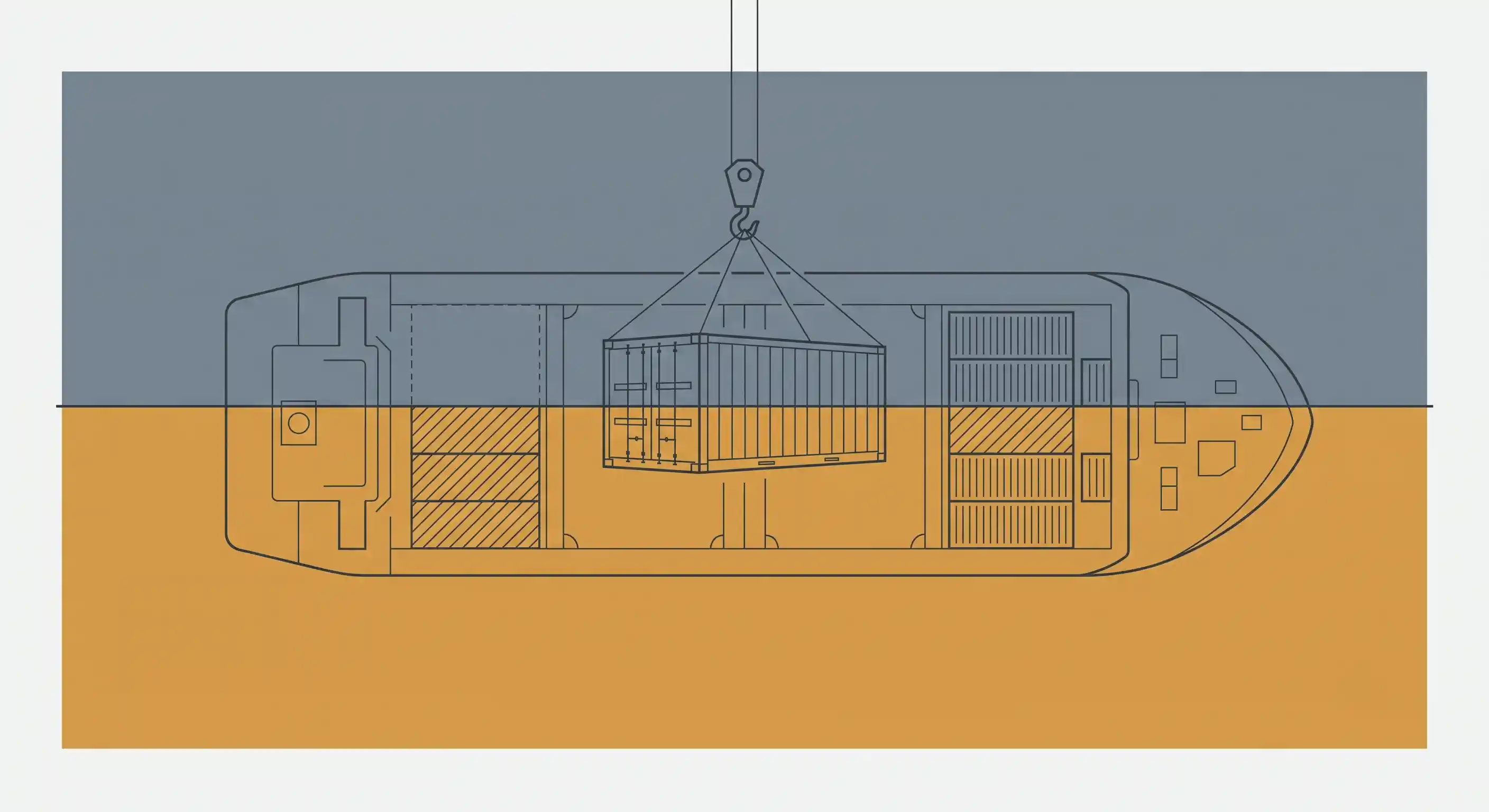
Why Did the 2020 Edition Replace the 2010 Version?
The ICC reviews Incoterms every ten years to keep pace with real changes in global supply chains. The 2020 edition made three notable updates compared to 2010: the default insurance coverage under CIP was raised to the highest available level, DAT was renamed DPU to remove the "terminal-only" restriction, and FCA gained the option of an on-board bill of lading to make documentary credits easier to work with. Exporters still using 2010-era contract language can end up in disputes with buyers over insurance obligations or the exact place of unloading.
Categorizing the 11 Incoterms 2020 Rules: From EXW to DDP
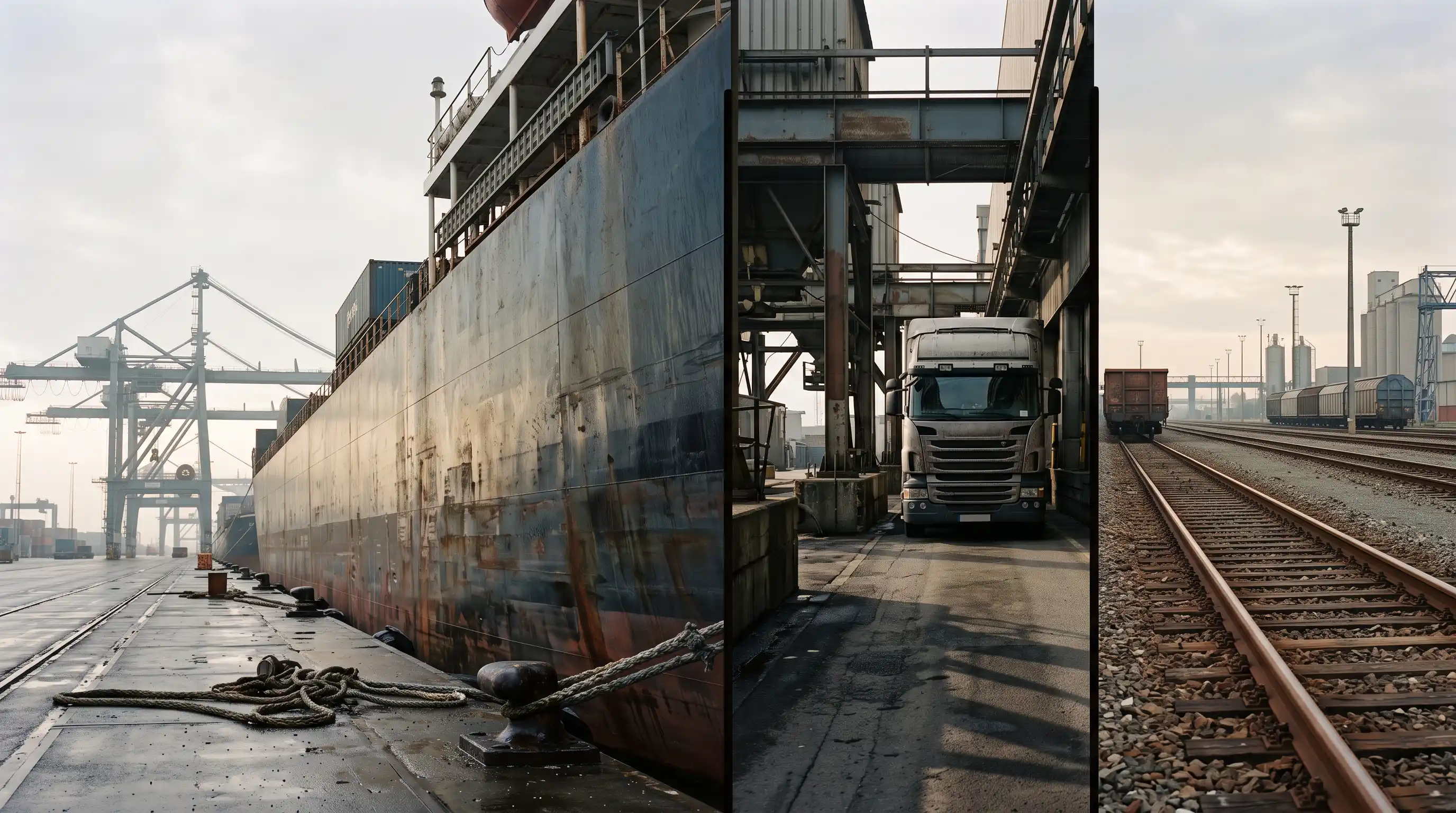
Incoterms 2020 sorts its eleven rules into two main groups: seven rules usable for any mode of transport — road, rail, air, or a combination — and four rules built specifically for sea and inland waterway shipments. Picking the wrong group, such as using FOB for cargo that moves in a container across several transport modes, is one of the most common sources of contract disputes.
Group 1: Rules for Any Mode of Transport
These seven rules offer high flexibility and are widely used in combined logistics operations, such as Iran's methanol exports, which typically involve both land and sea legs.
EXW (Ex Works) — Minimum Seller Obligation
Under EXW, the seller's job is done once the goods are made available at their own factory or warehouse. Every cost and risk from loading onward — transport, export clearance, import clearance — sits with the buyer. This is the lowest level of obligation in the entire Incoterms framework, and that can be misleading for new exporters: it looks lower-risk on paper, but experienced buyers often avoid EXW precisely because coordinating export clearance in the seller's country from abroad is impractical.
FCA (Free Carrier) — Delivery to the Carrier: A Full Technical Breakdown
FCA is one of the most used and least understood Incoterms, particularly for exporters entering containerized trade for the first time.
Seller Obligations Under FCA
The seller must clear the goods for export and deliver them to a carrier or another party nominated by the buyer at a named place. If that place is the seller's own premises, the seller is responsible for loading the goods onto the buyer's transport. If the named place is elsewhere, the seller only has to deliver the goods ready for unloading from its own vehicle.
The Exact Risk Transfer Point Under FCA
Risk under FCA transfers precisely at the named place agreed in the contract, not at a fixed point like the old "ship's rail" concept from earlier rule sets. This location-dependent nature is the most common source of misunderstanding in FCA contracts — which is why the exact address, not just the city name, needs to appear in both the contract and the proforma invoice.
Buyer Obligations Under FCA
From the moment of delivery to the carrier, the buyer is responsible for arranging the carriage contract, paying freight, arranging insurance if desired, and handling import clearance. One practical advantage FCA has over EXW is that the seller still handles export clearance, which reduces risk for foreign buyers less familiar with the seller's domestic customs procedures.
CPT (Carriage Paid To) — Freight Paid to Destination
The seller pays freight to bring the goods to the named destination, but the risk of loss or damage transfers to the buyer the moment the goods are handed to the first carrier at origin. This split often confuses new exporters: the seller pays the freight bill all the way to the destination, but does not carry the risk that far.
CIP (Carriage and Insurance Paid To) — Freight and Insurance Paid to Destination
CIP splits costs the same way as CPT, but the seller must also insure the shipment against transit risks. Under the 2020 edition, the default insurance coverage for CIP was raised to the highest available level (Institute Cargo Clauses A) — a change that directly benefits buyers of high-value cargo, including petrochemical products.
DAP (Delivered at Place) — Delivered at the Named Place
The seller delivers the goods, ready for unloading, at the agreed destination. All risks and costs up to that point sit with the seller, but import clearance and duties remain the buyer's responsibility.
DPU (Delivered at Place Unloaded) — Delivered and Unloaded at the Named Place
DPU is the only rule that requires the seller to physically unload the goods at the destination. It replaced DAT so that delivery and unloading could happen at any location — not just a formal transport terminal — such as a buyer's private warehouse or production site.
DDP (Delivered Duty Paid) — Maximum Seller Obligation
DDP places the maximum obligation on the seller: every cost, every risk, transport, and even import duties and taxes in the destination country. The buyer simply receives the cleared goods at their own facility. New exporters should generally approach DDP with caution unless they have a precise grasp of the destination country's customs regulations, since any miscalculation of duties comes directly out of the seller's margin.

Group 2: Rules for Sea and Inland Waterway Transport
These four rules apply only when the point of delivery is a port and the cargo moves by vessel. When moving high-tonnage metal shipments, as covered in the complete guide to exporting steel rebar from Iran, applying these maritime rules with precision keeps the transaction's legal boundaries clear.
FAS (Free Alongside Ship) — Delivered Alongside the Vessel
The seller places the goods alongside the vessel nominated by the buyer — for example, on the quay. From that point on, every cost and risk of loading onto the ship sits with the buyer. FAS is used mostly for non-containerized bulk cargo such as iron ore or other mineral products.
FOB (Free On Board) — Delivered on Board: the Most Common Rule in Bulk Commodity Exports
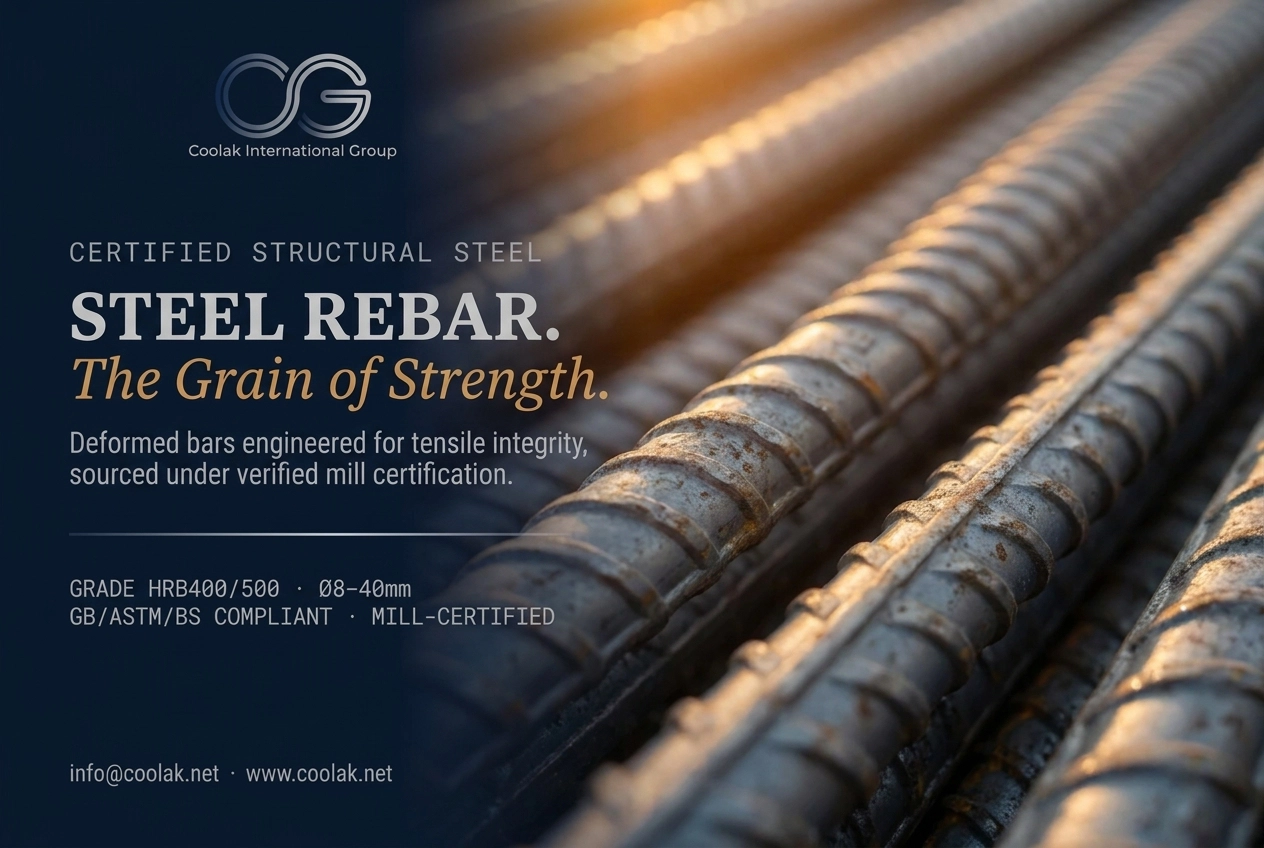
FOB is probably the best-known trade term among Iranian exporters. The goods are considered delivered once they are fully loaded on board the vessel. Up to that moment, responsibility sits with the seller. A practical point for exporters of goods like copper cathode: SGS quality inspection usually needs to happen before this risk-transfer point, a topic covered in more depth in Export Copper Cathode Standards: A Buyer's ppm Verification & SGS Inspection Checklist.
CFR (Cost and Freight) — Cost and Freight Paid by the Seller
The seller pays the cost and freight to bring the goods to the named port of destination, but risk transfers to the buyer at origin, the moment the goods are loaded on board — not at the destination port. That split between "who pays" and "who carries the risk" is exactly what needs careful explanation to buyers under every rule in the C-group (CFR, CIF, CPT, CIP).
CIF (Cost, Insurance and Freight) — Cost, Insurance, and Freight
CIF carries the same obligations as CFR, with the added requirement that the seller procures at least minimum marine insurance for the cargo. Unlike CIP, the default insurance coverage under CIF in the 2020 edition remains at the basic level (Institute Cargo Clauses C), unless the parties negotiate otherwise. For high-value petrochemical shipments, also discussed in the complete guide to Iran's petrochemical exports, many buyers choose to upgrade this baseline coverage through a specific contract clause.
Quick Comparison Table: Which Incoterm Fits Your Shipment?
Rule | Who Arranges Transport | Who Insures | Risk Transfer Point | Best For |
|---|---|---|---|---|
EXW | Buyer | Buyer | Seller's premises | Domestic deals or experienced buyers |
FCA | Buyer (seller to delivery point) | Buyer | Delivery to carrier | Multimodal container trade |
CIP | Seller | Seller (Clause A) | Handover to first carrier | High-value petrochemical cargo |
DDP | Seller | Seller | Buyer's warehouse | Sellers familiar with destination customs |
FOB | Buyer (from origin) | Buyer | On board vessel at origin | Bulk metal and mineral exports |
CIF | Seller | Seller (Clause C) | On board vessel at origin | Sea exports with baseline insurance |
Why New Exporters Should Use EXW with Caution
EXW looks like the simplest rule at first glance, but in practice the buyer has to manage the entire logistics chain starting from the seller's factory — something that is close to impossible for a foreign buyer without a local partner. Many deals that start on EXW terms end up renegotiated to FCA so the seller at least takes on export clearance.

When Do FOB or CIF Make the Most Sense for a Bulk Commodity Exporter?
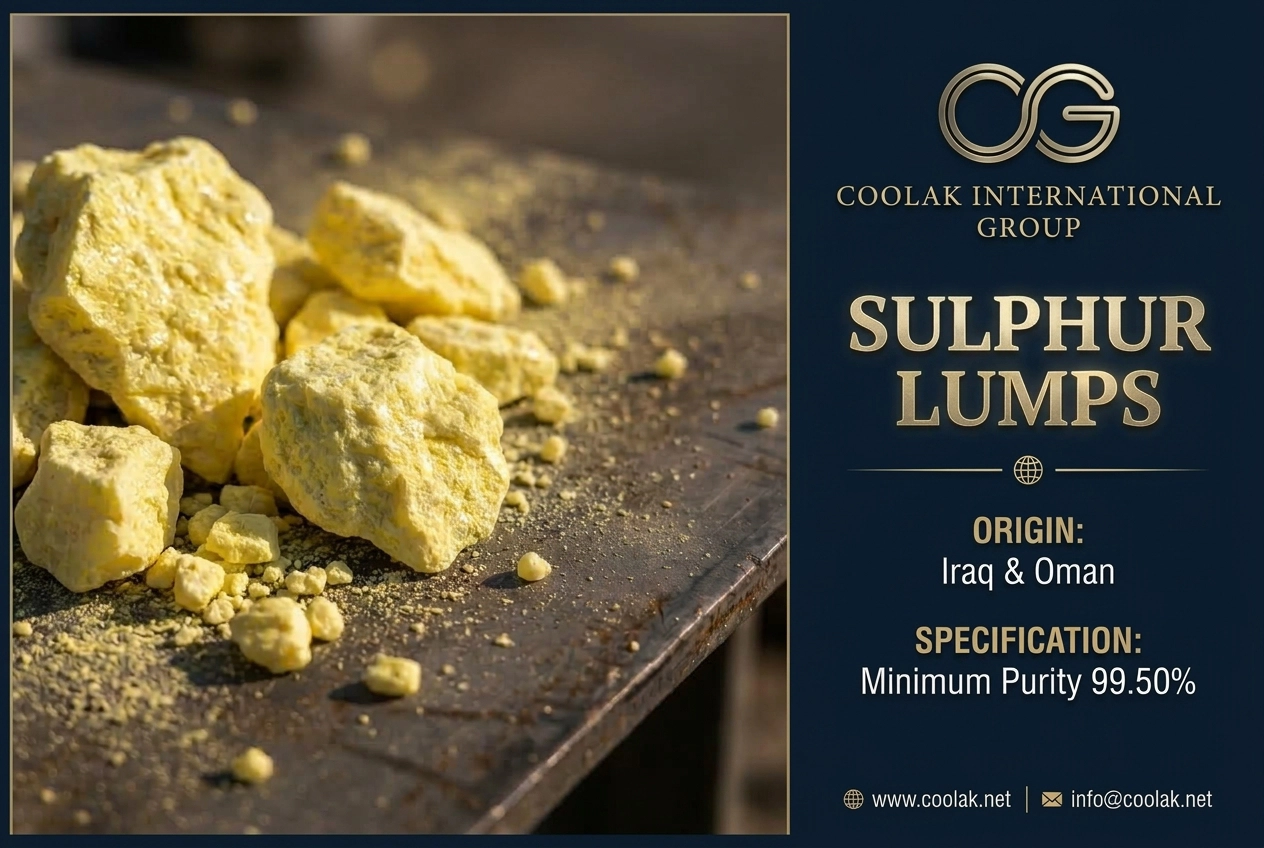
For exporters of base commodities such as sulfur, copper cathode, or steel rebar shipped by vessel from an Iranian port, FOB and CIF are usually the most practical choice, since both sides already know how loading and risk transfer work under them. The main difference comes down to whether the seller also takes on marine insurance (CIF) or leaves that to the buyer (FOB).
Four Common Mistakes New Exporters Make with Incoterms
Leaving the Exact Risk-Transfer Point Undefined
Many first-time contracts list only the three-letter code ("FOB") without naming the exact port or delivery location. That gap makes the contract far harder to interpret if a dispute comes up later.
Overlooking Hidden Demurrage and Container Detention Costs
If the buyer delays unloading a vessel or container, demurrage charges usually fall on whichever party holds responsibility at that moment. A new exporter who hasn't accounted for these costs in the contract can face unexpected invoices after the shipment has already left.
Mismatching the Rule with the Actual Mode of Transport
Using a maritime rule like FOB or CIF for cargo that moves by container across several transport modes blurs the exact risk-transfer point. In these cases, the ICC explicitly recommends a Group 1 rule such as FCA or CIP instead.
Skipping the Written Reference to "Incoterms 2020" in the Contract
If a contract simply says "FOB" without adding "Incoterms 2020," a court or arbitration panel may apply a local interpretation or an older edition of the rules instead of the official ICC version. Adding "Incoterms 2020" after every three-letter code is a small, easy step with real legal weight.
Your Path to a Secure Export Contract
Choosing the right Incoterm is only half the job. The other half is turning that choice into an enforceable contract with no legal gaps. Trading petrochemicals, sulfur, urea, or base metals internationally is not a field for contractual trial and error; when a shipment worth tens of millions of dollars is in transit, documentation flaws and unclear Incoterms can put an entire deal at risk.
Coolak International Group's International Contracts & Legal Security service exists to close exactly that gap. Coolak's trade team applies ICC legal standards to determine the right Incoterm for each shipment based on the commodity, the mode of transport, and the target market, then structures it into a clear, defensible contract — no opaque intermediaries, no ambiguity about where risk transfers. Get in touch with Coolak's international trade division today to structure your next export contract securely.
Need product guidance?
Contact our team for specifications, availability, and pricing details.