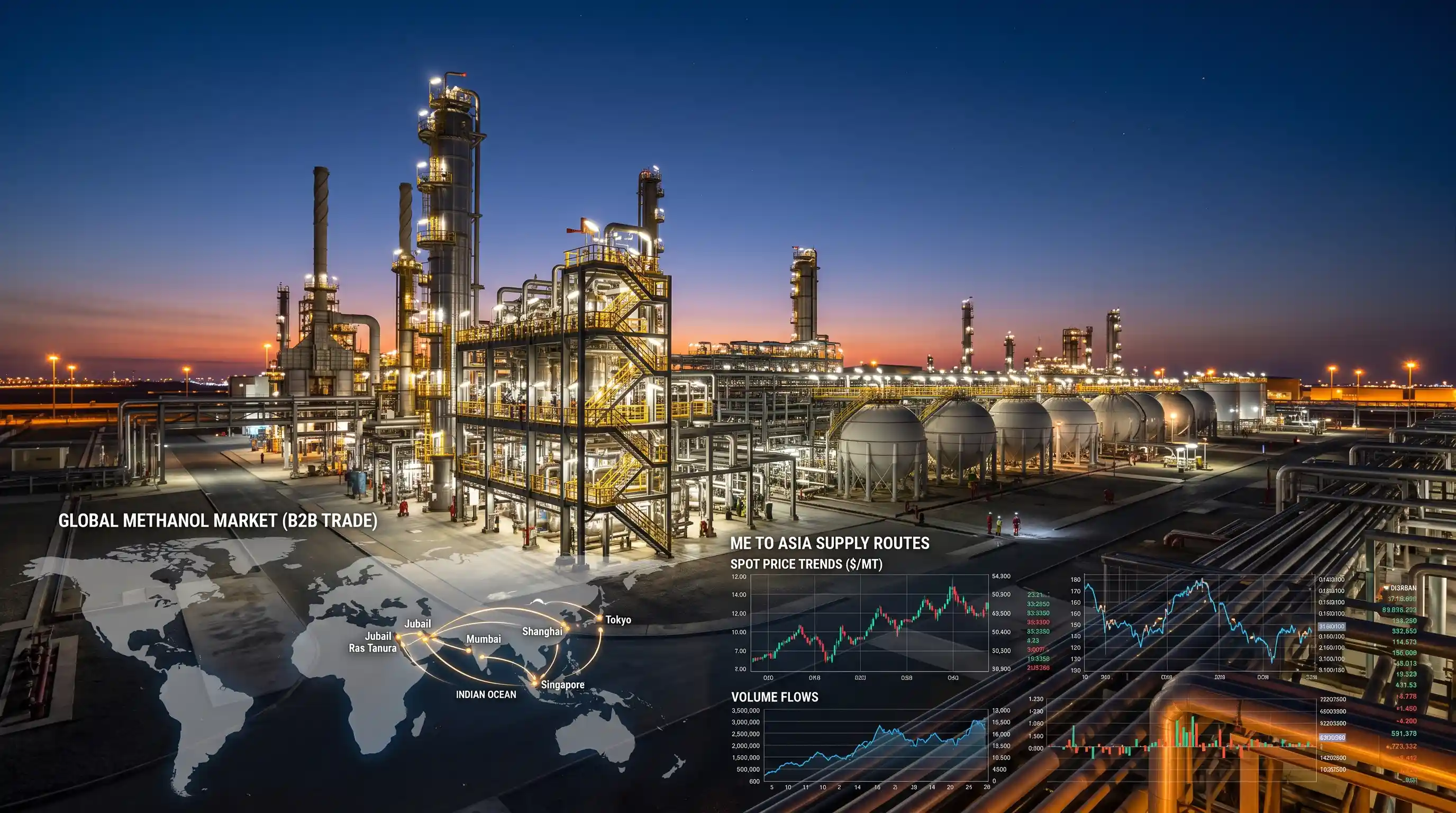
Fundamental shifts in environmental policies and an escalating need for alternative fuels have redefined the global methanol market equations. As one of the most versatile petrochemical products, methanol holds a unique position in supply chains, stretching from solvent and engineering plastic production to marine fuels. The dynamic nature of methanol demand and global price fluctuations requires continuous monitoring of production and consumption patterns in major economic hubs like China and India. Coolak International Group, relying on direct access to primary sources and data-driven analyses, paves the way for secure and transparent trade of this strategic commodity. Mastering current market trends and understanding the massive capacities of producing nations are key to achieving sustainable profit margins and mitigating trade risks for international buyers.
Key Takeaways:
Iran is the largest methanol producer in the Middle East, with a nominal capacity of 15.7 million tons per year.
Methanol accounted for over 31% of Iran's total petrochemical export volume in the 2024-2025 period.
Converting methanol to olefins (MTO) and propylene (MTP) is the primary strategy to prevent raw exports and create added value in the 2033 outlook.
Primary Drivers of Methanol Demand in the Global Economy
Methanol demand is directly influenced by downstream industrial growth and shifting energy consumption patterns worldwide. Increasing urbanization and infrastructure development in emerging Asian markets have sharply driven up the need for resins, adhesives, and polymer construction materials. A large portion of globally produced methanol is consumed to manufacture formaldehyde, acetic acid, and engineering plastics. Concurrently, the application of methanol as a fuel blender and gasoline alternative in many countries has established a robust new consumption pathway. China, as the world's largest methanol consumer, pursues extensive plans to utilize methanol within its public and commercial transportation fleets.
The Transition to Clean Energy and Methanol as Fuel
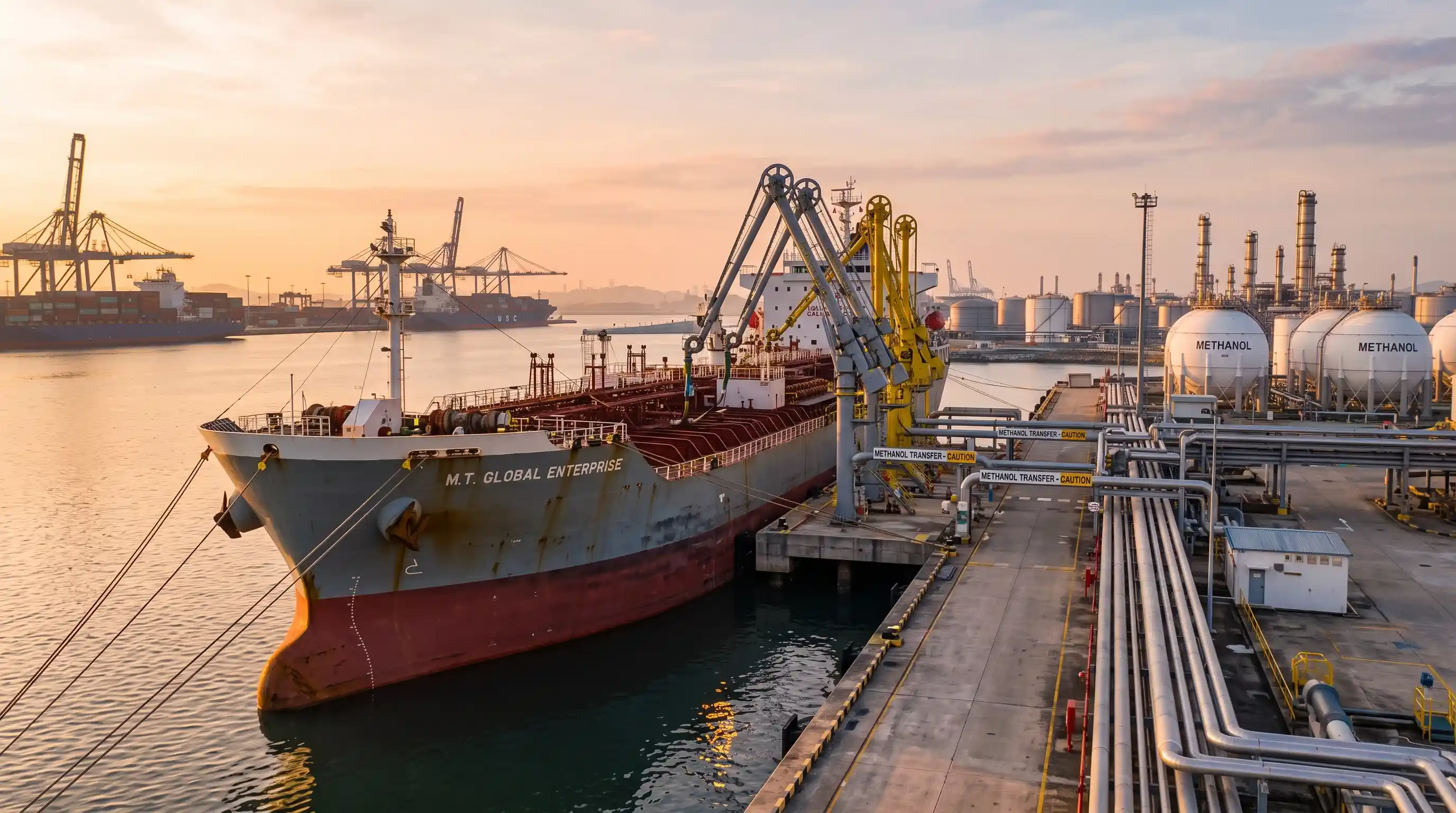
The maritime shipping industry is experiencing a historic pivot toward low-emission fuels. The International Maritime Organization (IMO) has implemented strict regulations to reduce greenhouse gas emissions, prompting shipowners to turn to methanol as a clean fuel option.
Compared to heavy marine fuels, methanol reduces sulfur and particulate matter emissions to near zero.
Major shipping companies are investing heavily in dual-fuel engines capable of consuming methanol, ensuring long-term demand in this sector.
The use of methanol in fuel cells offers promising prospects for clean energy storage and power generation.
Global Methanol Pricing Analysis and Market Influencers
Global methanol pricing is determined by a complex network of supply and demand factors. Feedstock costs, particularly natural gas and coal, play a decisive role in the final production cost of methanol. In regions like China, where methanol is predominantly produced from coal, price fluctuations in this mineral directly impact the final product cost. Conversely, the Middle East, particularly Iran, leverages rich natural gas resources to maintain a high competitive advantage in production costs. Ocean freight rates, tariff policies, and geopolitical conditions are other variables that affect contract pricing on CIF and FOB terms. Iran's average export price was recorded at 244 USD per metric ton (MT) recently, indicating a high potential for profit margins if the value chain is fully integrated.
Iran's Position in the Methanol Market: Current Capacity and Future Outlook
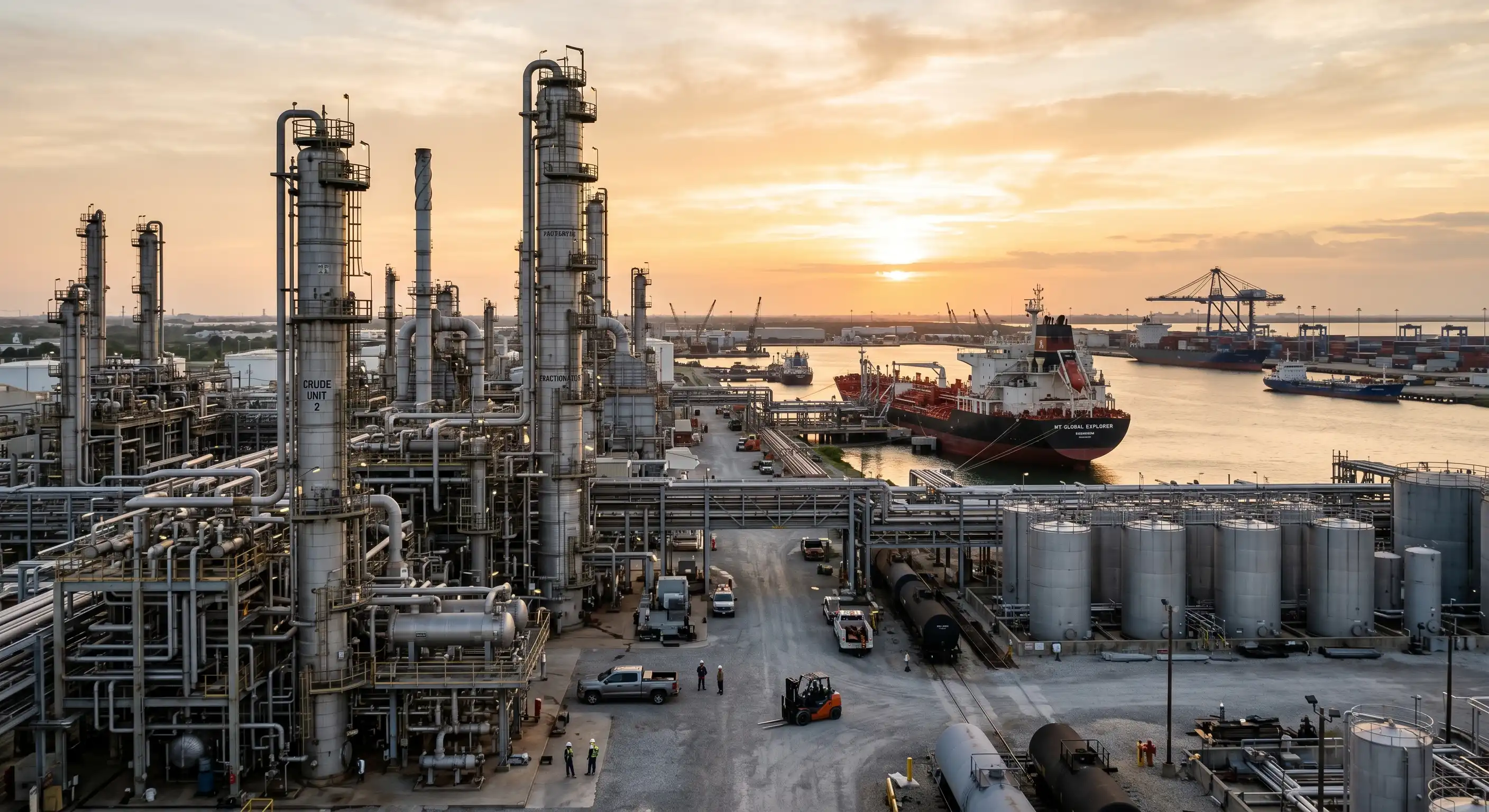
Through strategic planning in petrochemical infrastructure development, Iran has solidified its position as the main hub for methanol production. Iran's nominal methanol production capacity reached an impressive 15.7 million tons per year, constituting approximately 44% of the country's total basic petrochemical production capacity. To understand this scale, one simply needs to note that Saudi Arabia's methanol capacity stands at 7.5 million tons per year. This capacity advantage makes Iran an indispensable player in meeting the needs of massive Asian markets such as India and China.
Iran's Methanol Export Statistics and Value Creation
The export performance of Iran's petrochemical industry relies deeply on methanol. Operational data from the recent fiscal year provides a clear picture of this reality:
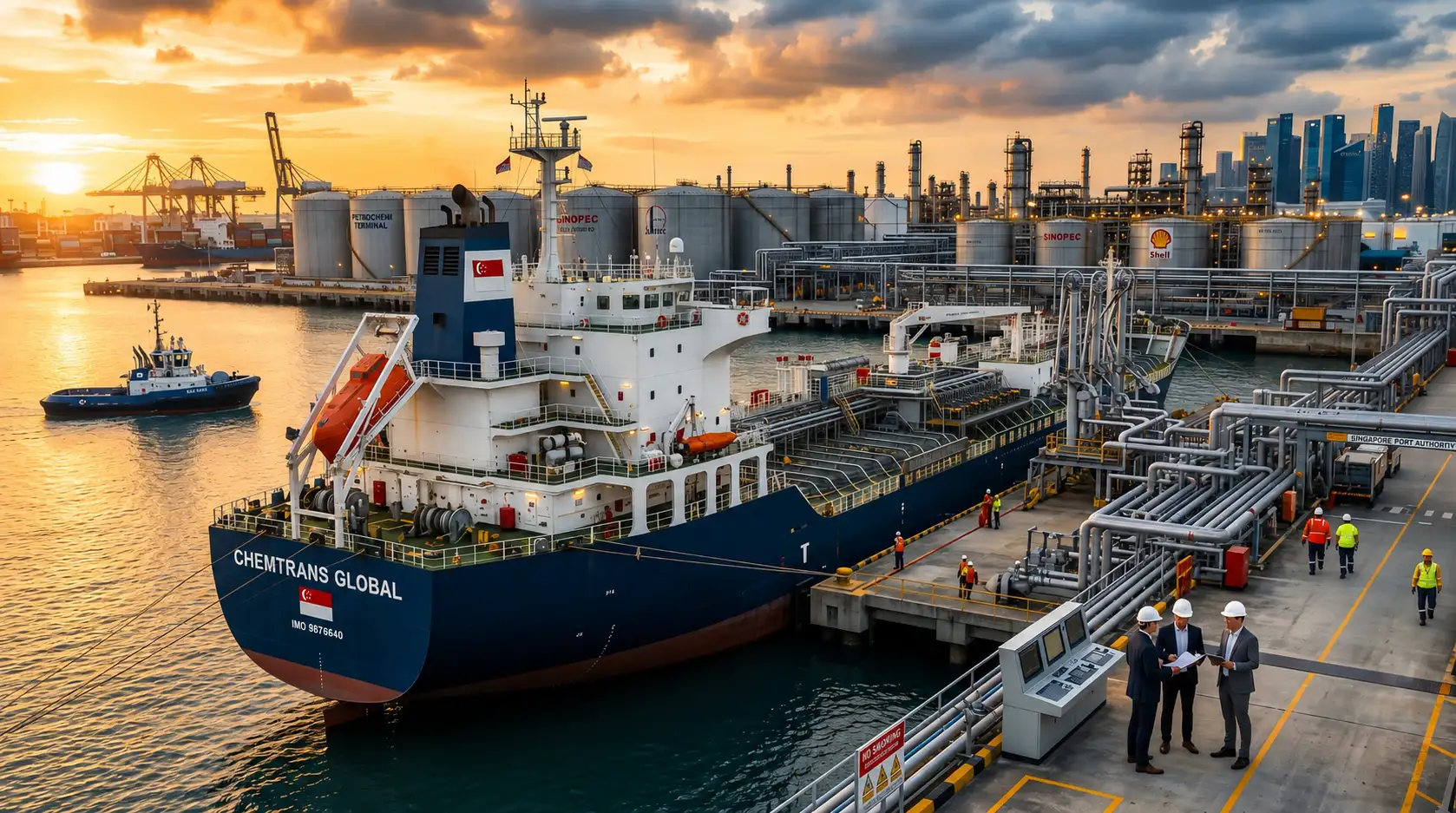
Iran's methanol export volume was 9.1 million tons, capturing 31.3% of the country's total 29.2 million tons of petrochemical exports.
The export value of methanol in this year reached 2.2 billion USD, equating to 17.1% of the industry's total 13 billion USD foreign currency revenue.
While focusing on raw methanol exports guarantees immediate foreign currency revenues, developing downstream infrastructure to increase the dollar value of exports has become a strategic priority.

Developing the Value Chain: Moving Beyond Methanol Raw Exports
The development outlook for Iran's petrochemical industry targets reaching a nominal capacity of 35 million tons of methanol per year by 2033. Supplying this massive volume to global markets requires smart planning to prevent price drops and market saturation. The key solution is directing a portion of production capacity toward the value chain. Direct sales of methanol at the beginning of the chain create the least added value. Executing strategic Methanol-to-Olefins (MTO) and Methanol-to-Propylene (MTP) projects can transform this raw material into polymer products worth several times more. This shift in approach not only secures demand for petrochemical complexes but also creates unprecedented diversity in the export portfolio.
Informed Decision-Making for Methanol Trade with Coolak International Group
Secure trade begins with better decisions. Founded in 2017, Coolak International Group was built on a simple belief: a transaction's success is decided long before any contract is signed. Deals often stall not because a genuine buyer or capable supplier is missing, but because of incomplete information, unverified partners, and hidden risk. We close that gap by providing strategic sourcing services, drafting contracts aligned with International Chamber of Commerce (ICC) standards, and conducting rigorous supplier evaluations. Our commercial advisory team will stand by your side to structure transactions properly and ensure transparency at every stage, offering you a secure and sustainable purchasing experience. Contact us to initiate a strategic partnership.
Need product guidance?
Contact our team for specifications, availability, and pricing details.