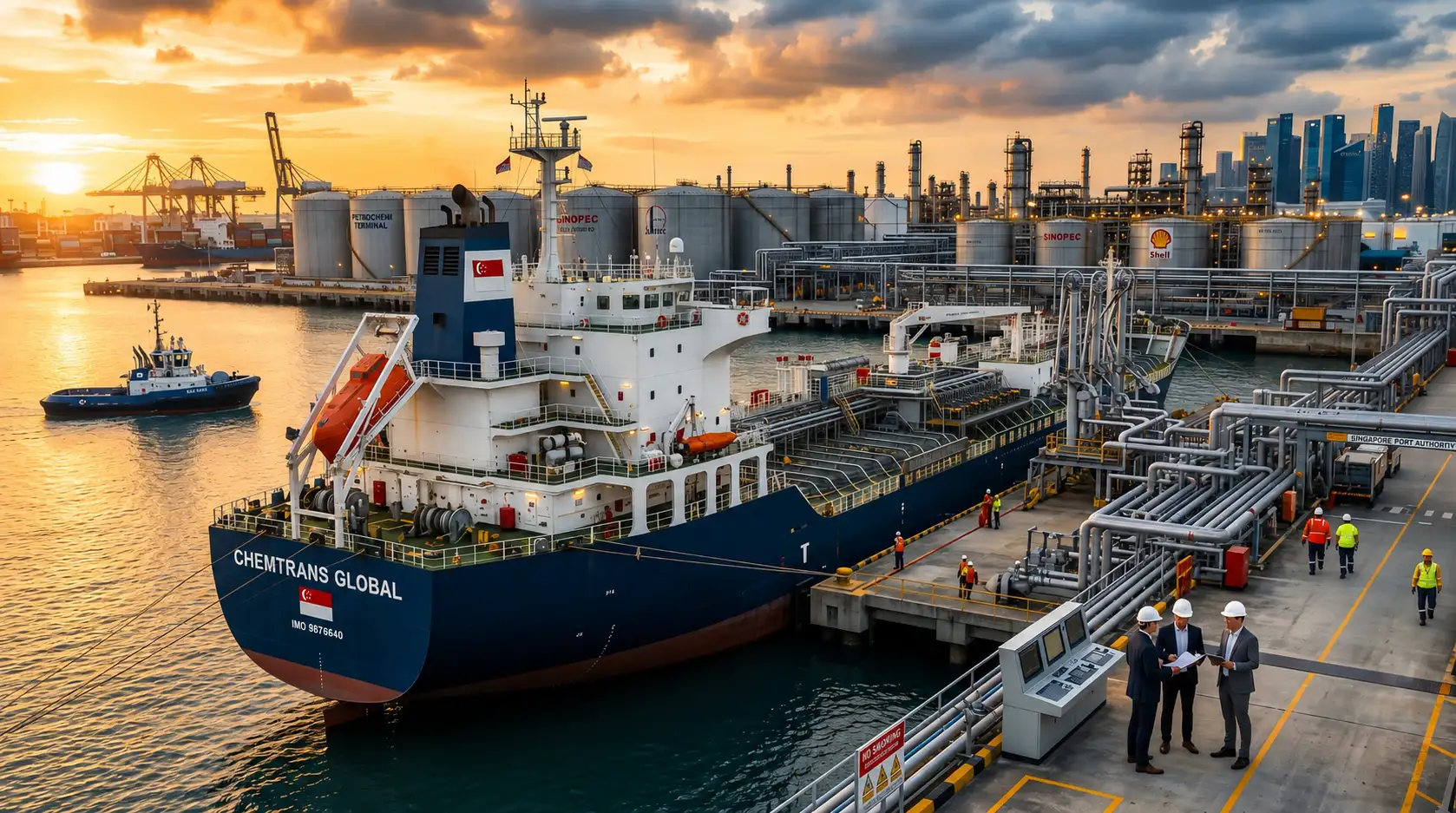
The Relentless Demand for Methanol in Industrial Asia
The global trade map for petrochemical commodities is shifting eastward at an unprecedented pace. Based on international customs data and market intelligence, over 60% of the world's methanol consumption is concentrated in Asia. This figure continues a steep upward trajectory, propelled by massive industrial infrastructure expansions in emerging economies. As an essential chemical building block, methanol serves as a critical raw material for thousands of industrial applications, ranging from engineering plastics to clean energy alternatives.
Amidst this colossal volume of trade, regional exporters and suppliers confront a severe structural challenge: How can one establish a stable network to connect directly with authentic buyers in a market saturated with informal brokers and hidden credit risks? Coolak International Group, understanding the intricate architecture of these markets, has forged a secure platform to directly link powerful Middle Eastern production capacities (specifically Iranian petrochemical complexes) to the largest Asian consumers.
Key Takeaways:
China's Strategic Consumption: A massive concentration on Methanol-to-Olefins (MTO) technologies, alongside robust resin and adhesive industries.
India's Powerful Emergence: Rapid import growth securing vital feedstock for pharmaceutical, textile, and downstream chemical manufacturing.
Southeast Asian Potential: Surging demand for biodiesel catalysts and industrial chemicals across developing ASEAN nations.
Security in B2B Transactions: The critical necessity of eliminating unverified intermediaries and implementing international ICC legal frameworks.
Analyzing Methanol Demand and Buyer Profiles in Target Markets
The Asian region is not merely the largest importer of methanol; it has created highly diversified consumption pathways for this strategic product. From the production of alternative clean fuels to the synthesis of advanced industrial plastics, each country has established distinct consumption patterns dictated by macroeconomic policies. A precise understanding of these patterns is a fundamental prerequisite for accurately targeting export shipments. To gain deeper insights into regional supply capabilities, reviewing the Iran Methanol Exports guide is highly recommended.

China: The Unrivaled Giant of Methanol Processing
China's industrial sector alone consumes more than half of the methanol produced globally. This staggering volume of demand is rooted in the aggressive development of alternative technologies and massive state-backed investments in petrochemical infrastructure.
The MTO and MTP Revolution: Petrochemical complexes in China rely heavily on imported methanol to produce base olefins (such as ethylene and propylene). This technological shift allows China to systematically reduce its reliance on naphtha and crude oil imports.
Formaldehyde and Construction Industries: The continuous expansion of the housing and construction sectors in China has triggered an immense demand for industrial adhesives, medium-density fiberboards (MDF), and formaldehyde-based resins.
Fuel Blending Initiatives: Aligned with stringent environmental strategies, the Chinese government actively promotes the utilization of methanol as a direct vehicle fuel and as a standard gasoline blending component. Identifying a reliable China methanol buyer necessitates a thorough assessment of independent refineries operating within the country's free trade zones.
India: The Rapidly Expanding Chemical Hub
The Indian methanol market operates as a highly dynamic and feedstock-hungry ecosystem. Unlike China, India does not possess a vast MTO infrastructure; instead, it has opened entirely different demand channels to absorb imported shipments.
The Beating Heart of Global Pharmaceuticals: India holds the position of one of the world's largest producers of generic drugs. Methanol serves as a vital industrial solvent and chemical base in numerous pharmaceutical synthesis processes.
Acetic Acid and Solvent Production: Driven by the modernization of textile and packaging factories across India, the requirement for acetic acid (a primary methanol derivative) has experienced a significant leap.
The Methanol Economy Vision: Indian governmental bodies, aiming to curb fossil fuel imports, have drafted various incentive schemes and subsidies to integrate methanol into urban transportation systems and domestic cooking fuels, thereby brightening the long-term demand outlook.
Southeast Asia (ASEAN): The Emerging Commercial Frontier
The vibrant Southeast Asian market, centered around transitional economies such as Indonesia, Vietnam, Malaysia, and Thailand, represents the next strategic destination for global methanol supply networks.
Indonesia and Biodiesel Expansion Policies: Indonesia’s mandatory national programs for biodiesel production and blending (notably the B30 and B40 mandates) have drastically increased the demand for methanol, which acts as a crucial catalyst in the complex transesterification process.
Vietnam and Thailand: The accelerated development of industrial parks and special economic zones in these nations has stimulated a strong demand for industrial resins, paints, and methanol-based solvents.

Trading Challenges and Risk Management in Distribution Networks
Penetrating networks of powerful Asian buyers is consistently accompanied by multiple structural and logistical hurdles. Severe currency fluctuations, sudden shifts in customs tariffs, and, most importantly, the lack of transparency in communication channels impose substantial financial risks on B2B traders and producers. A review of the Global Methanol Pricing Factors indicates that even minor geopolitical tensions or supply chain disruptions instantly impact transaction profit margins.
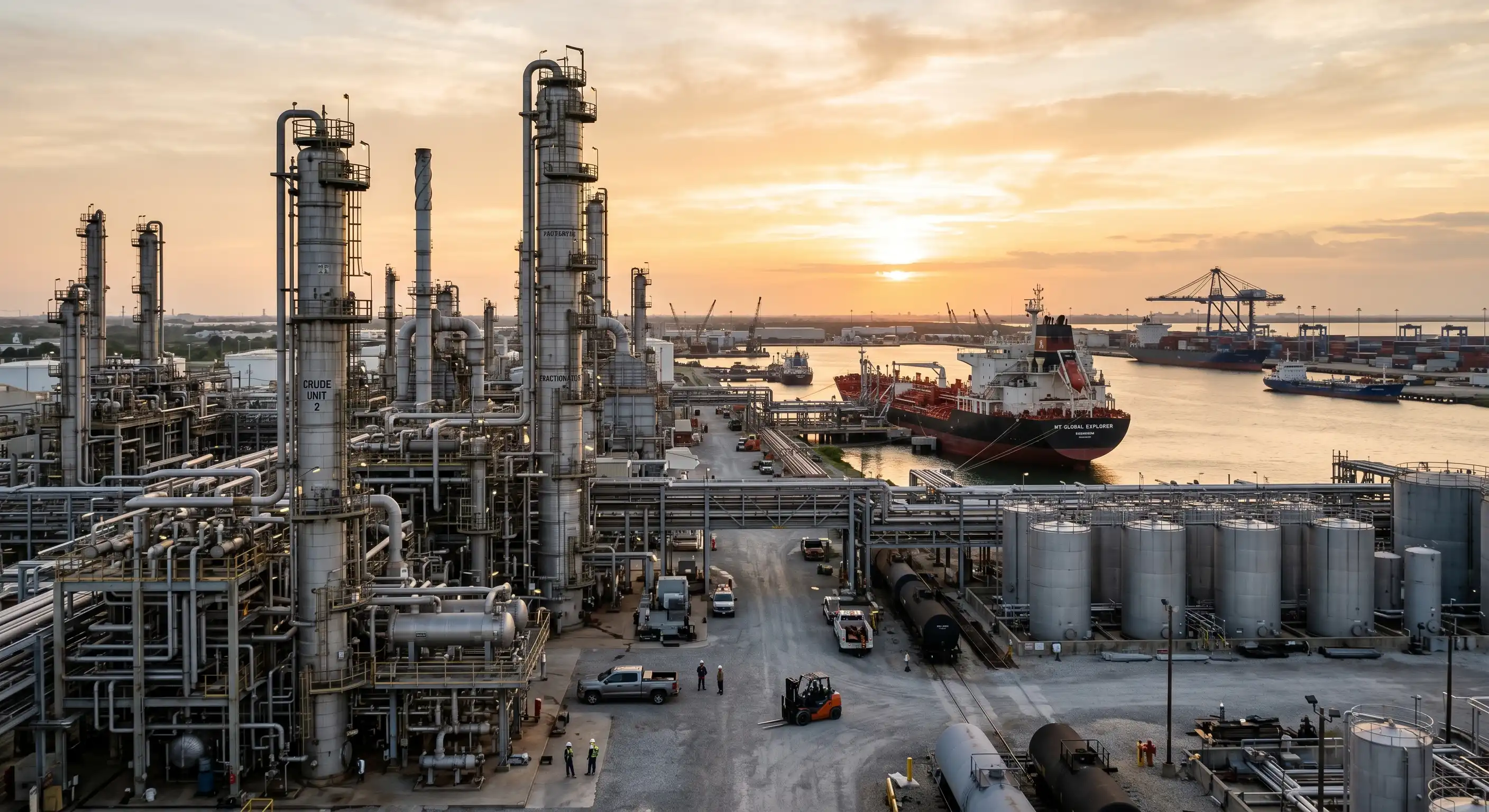
Vulnerability to Opaque Intermediaries
A significant portion of purchase inquiries circulating in the Asian methanol market originates from intermediary companies and brokers completely lacking financial backing or verifiable credit histories. Engaging in transactions with these entities not only compresses the producer’s profit margin and inflates the final cost for the end-buyer, but it also exposes the trade to severe risks. Should quality claims arise or maritime logistics face delays, these intermediaries accept zero legal liability.
Quality Sensitivities and Customs Clearance Standards
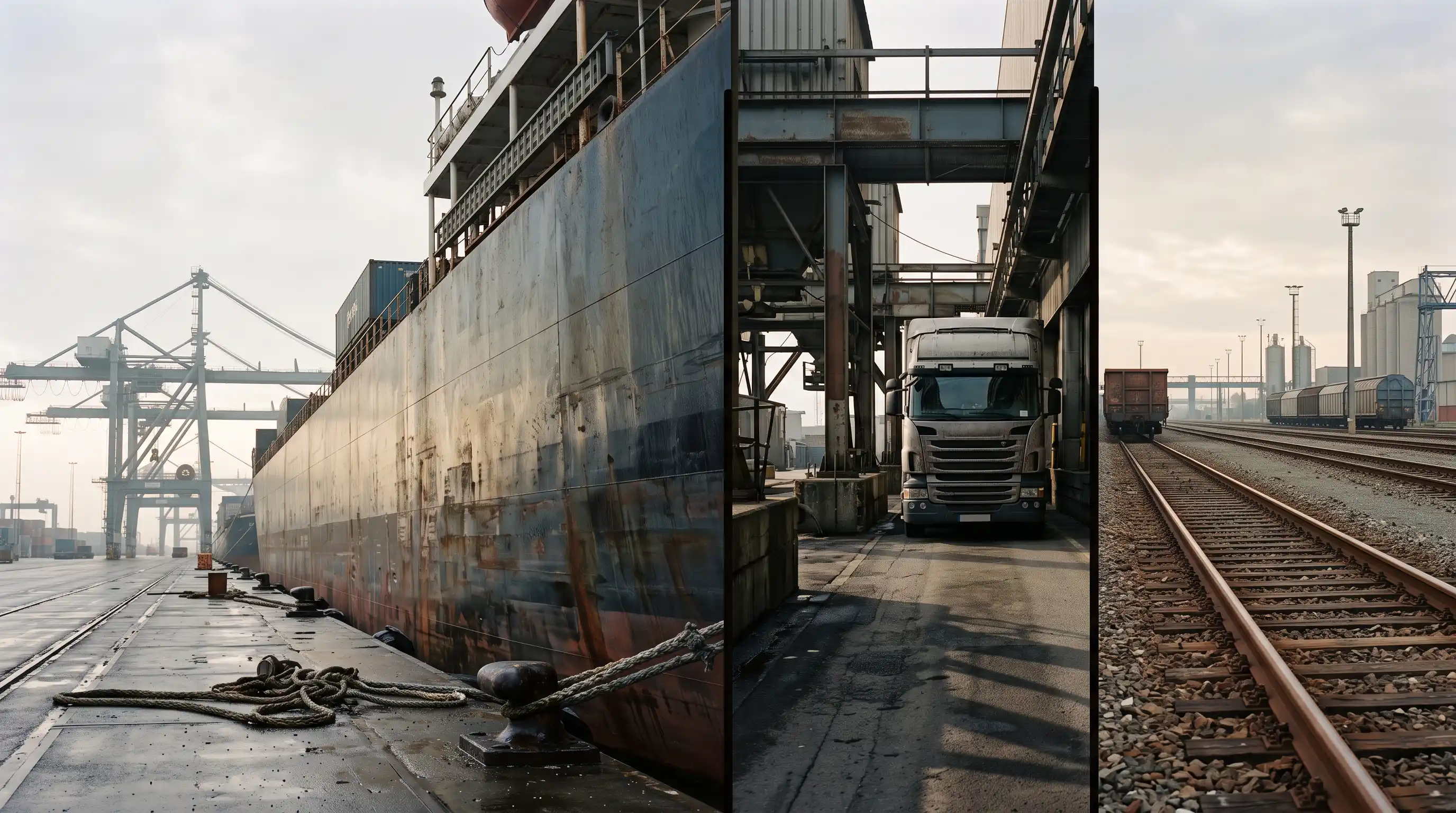
Discharging methanol shipments at major commercial ports in China or India requires the presentation of the most precise international quality analysis and inspection documents (such as SGS or Geo-Chem certificates). Any technical discrepancy in the shipping documentation results in the immediate confiscation of the cargo at destination customs, triggering exorbitant demurrage penalties for shipowners and exporters.
Your Secure Pathway for Methanol Sourcing
Establishing a powerful, sustainable presence in high-demand Asian markets requires the architecture of a flawless supply chain, trusted strategic partners, and impenetrable legal systems. Coolak International Group, driven by the mission to enforce absolute transparency in international trade and eliminate opaque middlemen, has established new paradigms in sourcing petrochemical and mineral commodities.

We are not merely trade consultants; we are your executive arm and strategic partner for the secure, direct sourcing of commodities from prestigious refinery and petrochemical sites across Iran, Russia, Kazakhstan, Turkmenistan, and Iraq. By deploying rigorous frameworks based on International Chamber of Commerce (ICC) contracts, and utilizing cutting-edge Service Design methodologies alongside Neuromarketing principles in B2B negotiations, we reduce credit risks to zero and guarantee the authenticity of all documentation. Secure Trade, Sustainable Growth, Long-term Collaboration; this is the definitive commitment Coolak offers to its commercial partners. To structure a secure supply contract and connect directly with prime methanol buyers in Asia, contact Coolak’s International Trade Department today.
Need product guidance?
Contact our team for specifications, availability, and pricing details.