Severe fluctuations in global commodity markets have turned strategic planning into a formidable challenge for buyers and producers in the petrochemical sector. As one of the world’s most versatile basic chemicals, methanol plays a foundational role in manufacturing hundreds of industrial goods, including plastics, construction materials, alternative fuels, and pharmaceuticals. However, the global methanol price never follows a predictable, linear path. This chemical's market rate is intrinsically tied to energy volatility, environmental policies, trade tariffs, and macroeconomic decisions in major industrial hubs.
For international trade professionals, entering the methanol market without a data-driven strategy and a sharp understanding of these variables guarantees exposure to severe financial risks. Coolak International Group stands as your strategic B2B partner, equipped with a profound understanding of these complexities to provide a secure and transparent path for international transactions. Our objective in this analysis is to dissect the exact factors dictating the global methanol rate. By interpreting these signals, buyers and suppliers can optimize their procurement strategies and execute purchasing contracts with timing and precision.
Key Takeaways:
Fluctuations in primary feedstock costs (natural gas and coal) are the most dominant drivers of methanol pricing globally.
Shifts in demand within China’s Methanol-to-Olefins (MTO) industry directly dictate the momentum of the Asian and global markets.
Logistics costs, chemical tanker chartering rates, and supply chain disruptions significantly alter the final CFR/CIF price for end-users.
Non-transparent intermediaries artificially inflate costs; direct sourcing combined with strict adherence to ICC standards is the ultimate risk mitigation strategy.
Supply and Demand Dynamics in the Petrochemical Sector
The fundamental structure of any economy rests on supply and demand, a rule that applies with heightened intensity to the petrochemical arena. Methanol serves a dual purpose; it acts as an intermediate chemical for producing formaldehyde, acetic acid, and plastics, while simultaneously experiencing surging demand in the energy sector as a marine fuel and automotive fuel additive.
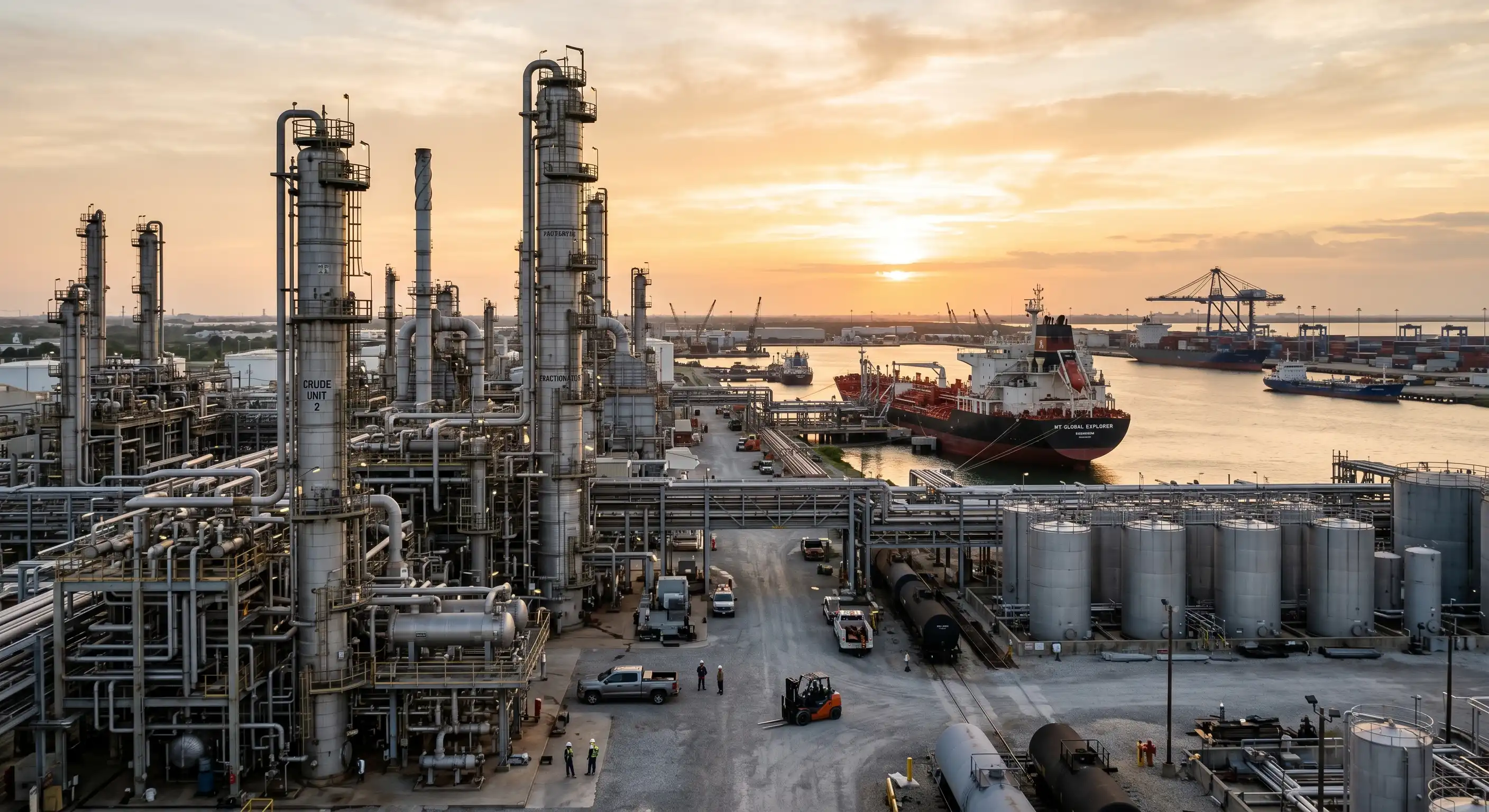
The introduction of new petrochemical production capacities, particularly in gas-rich regions like the Middle East and the United States, adds significant weight to the supply side. Conversely, unplanned plant outages caused by technical failures, extended overhauls, or severe weather conditions can swiftly trigger supply shortages and sudden spikes in the methanol market. Continuously monitoring the operating rates of major global facilities remains a critical indicator for forecasting short-term market availability.
The Ripple Effect of Crude Oil and Natural Gas Volatility
On a global scale, methanol is synthesized primarily from two foundational raw materials: natural gas and coal. Consequently, any turbulence in global energy markets transmits directly into the methanol pricing structure.
Natural Gas: The vast majority of methanol production across the Middle East, Europe, and the Americas relies heavily on natural gas. Surges in natural gas prices—driven by harsh winter seasons, regional geopolitical tensions, or restrictive export policies—drastically elevate production costs, threatening the profit margins of major producers.
Coal: In China, holding the title of the world's largest methanol producer and consumer, the synthesis process is predominantly coal-based. The volatility of thermal coal prices in the Chinese market acts as the definitive benchmark for establishing the price floor of methanol across Asia.
China’s Dual Role as Consumer and Producer
No comprehensive methanol analysis is complete without scrutinizing the economic landscape of China. The nation is not merely the largest producer; it absorbs a staggering percentage of the global supply. The widespread development of Methanol-to-Olefins (MTO) and Methanol-to-Propylene (MTP) technologies within China acts as a massive demand engine.
When profit margins for Chinese MTO plants turn positive, the appetite for methanol imports surges, pushing the global rate upward. In stark contrast, if crude oil prices crash, producing olefins via naphtha cracking becomes far more economically viable, causing a severe drop in methanol demand. Furthermore, the Chinese government's aggressive environmental policies aimed at decarbonization frequently result in the mandated shutdown of heavily polluting coal-based plants, tightening domestic supply.
International Logistics and Freight Expenses
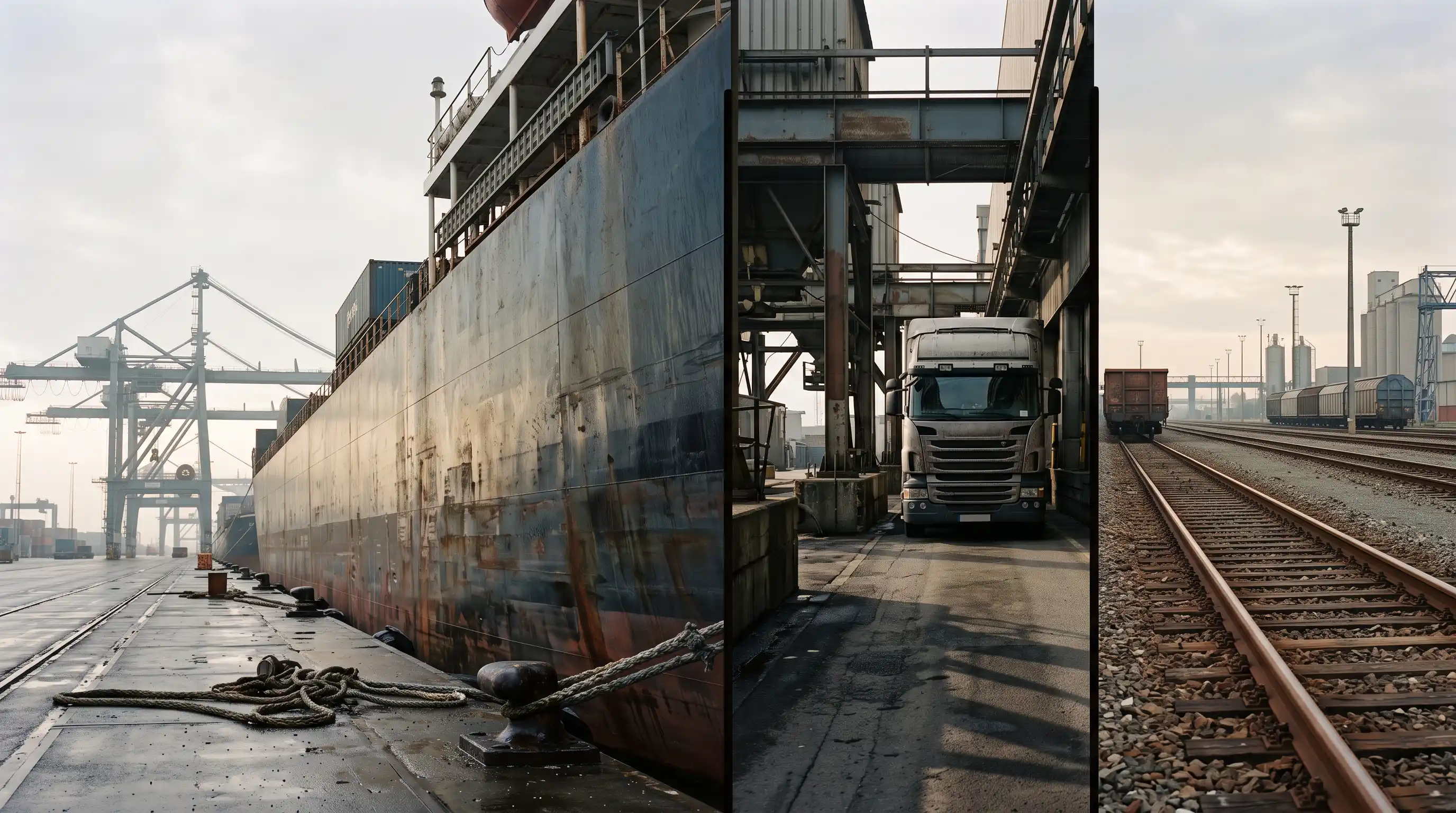
The Free on Board (FOB) price at the port of origin represents only a fraction of the total commercial equation. In international trade, the final landed cost to the buyer (Cost and Freight - CFR) is heavily shaped by maritime logistics and freight expenses.
A shortage of specialized chemical tankers, escalating war risk insurance premiums in volatile regions, fluctuating bunker (marine fuel) rates, and severe port congestion directly inflate the final cost of the product. Additionally, transit restrictions through vital maritime arteries, such as the Panama or Suez Canals, disrupt the supply chain and introduce costly delivery delays. To understand the logistical capabilities and direct sourcing potential from the Middle East, reviewing our detailed guide on Exporting Methanol from Iran provides valuable strategic context.

Bringing Transparency to Global Trade with Coolak International Group
The international trade landscape is frequently clouded by opaque intermediaries, hidden financial risks, and highly complex legal obstacles. The true distance in modern commerce is not geographical; it is the gap between a verified supplier and a legitimate buyer. Coolak International Group was established with a profound comprehension of these specific challenges. Our mission is to dismantle these barriers and forge a secure, direct, and highly profitable route for global B2B partnerships.
At Coolak, we operate far beyond the parameters of a traditional consultancy or sourcing agent; we act as your dedicated strategic partner. By establishing a robust and reliable network for the direct procurement of minerals and petrochemicals from Iran, Russia, Kazakhstan, Turkmenistan, and Iraq, we secure first-hand access to vital resources for buyers while unlocking new geographic markets for suppliers.
However, executing a successful trade requires more than just resource access. The specialized team at Coolak International Group possesses complete mastery over international commercial contracts and International Chamber of Commerce (ICC) legal standards. We engineer secure, bulletproof transaction structures. Furthermore, by integrating modern, scientific approaches such as Neuromarketing and Service Design, we empower B2B enterprises to accurately decode market behavior, optimize the client experience, and establish a dominant presence in competitive global markets. We are resolutely committed to transparency, rigorous vetting, and cultivating long-term relationships built on measurable results.
Securing Your Supply Chain in a Volatile Market
Fluctuations in the global methanol price are an unavoidable reality of the petrochemical industry. The enterprises that thrive in this environment are those equipped to manage risk, analyze fundamental market data, and secure uninterrupted access to reliable supply sources. Establishing transparent purchasing contracts, conducting rigorous supply chain validation, and eliminating unnecessary intermediaries are the most critical steps to safeguarding your profit margins.
Coolak International Group, through its integrated suite of commodity sourcing, international legal counsel, and market entry strategies, stands ready to help you convert the challenges of the methanol market into avenues for sustainable growth. To secure expert consultation, request current methanol pricing, and explore direct B2B sourcing opportunities from Eurasia and the Middle East, contact our commercial department today.