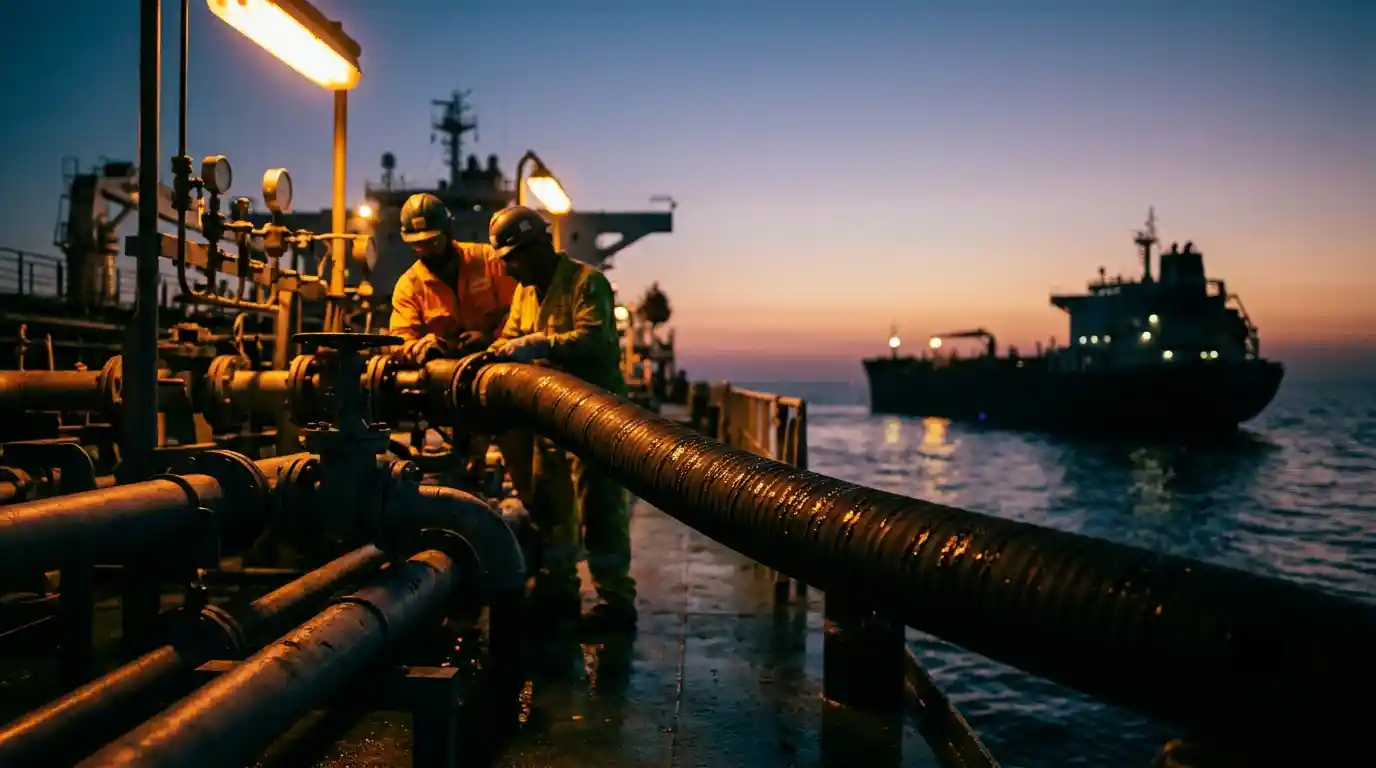
Heavy industries, marine bunkering fleets, and industrial generators depend on a stable, high-output fuel source to keep operations running. At the center of that supply chain sits D2 Diesel, a high-density distillate that powers a large share of the world's heavy machinery. In practice, many buyers new to this market confuse D2 Diesel specifications with those of other grades, most commonly European EN590 or Russian GOST diesel — a mix-up that can result in cargo rejected at the destination port or payment released against the wrong analysis. Coolak International Group serves as your strategic partner in global trade, supplying each cargo with transparent lab documentation and contract structures built on International Chamber of Commerce (ICC) standards.
Key Takeaways:
D2 Diesel is the second major distillate from crude oil refining and delivers strong output for heavy industry without the added cost of complex desulfurization.
The standard sulfur content in D2 Diesel sits at 5000 PPM, which distinguishes it clearly from ultra-low-sulfur grades such as EN590 (max 10 ppm).
Parameters such as flash point, cetane number, and density are the technical baseline every buyer should verify before signing a contract.
Coolak's Gasoil 5000 ppm (Iran D2) is available under OPL delivery terms at Khark, Qeshm, Larak, and Shinas (Oman).
Independent SGS inspection combined with ICC-based contract structures keeps financial exposure to a minimum on high-volume diesel deals.
What D2 Diesel Actually Is: From Crude Distillation to Trade Grade
Gas Oil D2, often traded as Iran D2 or regular diesel in international markets, is the second major product recovered during the atmospheric distillation of crude oil. The letter "D" stands for Diesel, and the number "2" marks its position within the fuel classification system. This grade is optimized for medium- and high-speed diesel engines running under temperate to semi-tropical conditions.
Producing this grade means separating out the heavier hydrocarbon fractions, leaving a fuel with workable viscosity at normal pumping temperatures and a high heating value — the exact combination that suits high-torque equipment.
Why "D2" Gets Confused with Other Grades
Part of the market confusion starts here: "D2" is an internal classification code, not a single unified international standard the way EN590 is. Different countries package this quality range under different names and reference standards. That is why confirming the origin and the exact standard reference on the cargo, not just the commercial grade name, matters before any negotiation moves forward.
Technical Specifications and Quality Parameters of D2 Diesel
In international sales contracts, the specification sheet forms the core of the agreement. Buyers need to verify the full chemical analysis, line by line, before committing funds or opening a Letter of Credit (L/C).
Sulfur Content and the 5000 PPM Grade
The defining characteristic of D2 Diesel is its sulfur concentration. Driven by heavy-industry requirements, this grade is controlled at 5000 PPM (0.5% by weight).
The Industrial Rationale Behind the 5000 PPM Threshold
That sulfur level lowers refining costs while acting as a natural lubricant for internal fuel-pump and injector components — a property that still carries real value for mining equipment and older heavy machinery.
Comparison with Ultra-Low-Sulfur Standards Like EN590
By contrast, grades such as European EN590 cap sulfur at 10 mg/kg (10 ppm), engineered specifically to work with modern diesel particulate filters (DPF) and SCR catalysts in urban vehicle fleets.
Why Some Buyers Search for "Low Sulfur D2 Diesel"
This search pattern usually starts from a false assumption: that any export-grade diesel must carry a low sulfur figure. In reality, D2 is a mid-sulfur grade by design, not an ultra-low-sulfur one. A buyer looking for sulfur content below 15 ppm needs to contract specifically for EN590, not D2.
Other Critical Technical Parameters
Flash Point: the lowest temperature at which the fuel produces ignitable vapors. For safe transport and storage, D2 Diesel's flash point is set above 54°C (130°F).
Cetane Number: a measure of ignition delay and combustion quality. Higher figures mean smoother engine operation. D2 typically carries a baseline between 40 and 45.
Density: specific gravity at 15°C, which directly affects energy output per liter and overall fuel efficiency in heavy-duty engines.
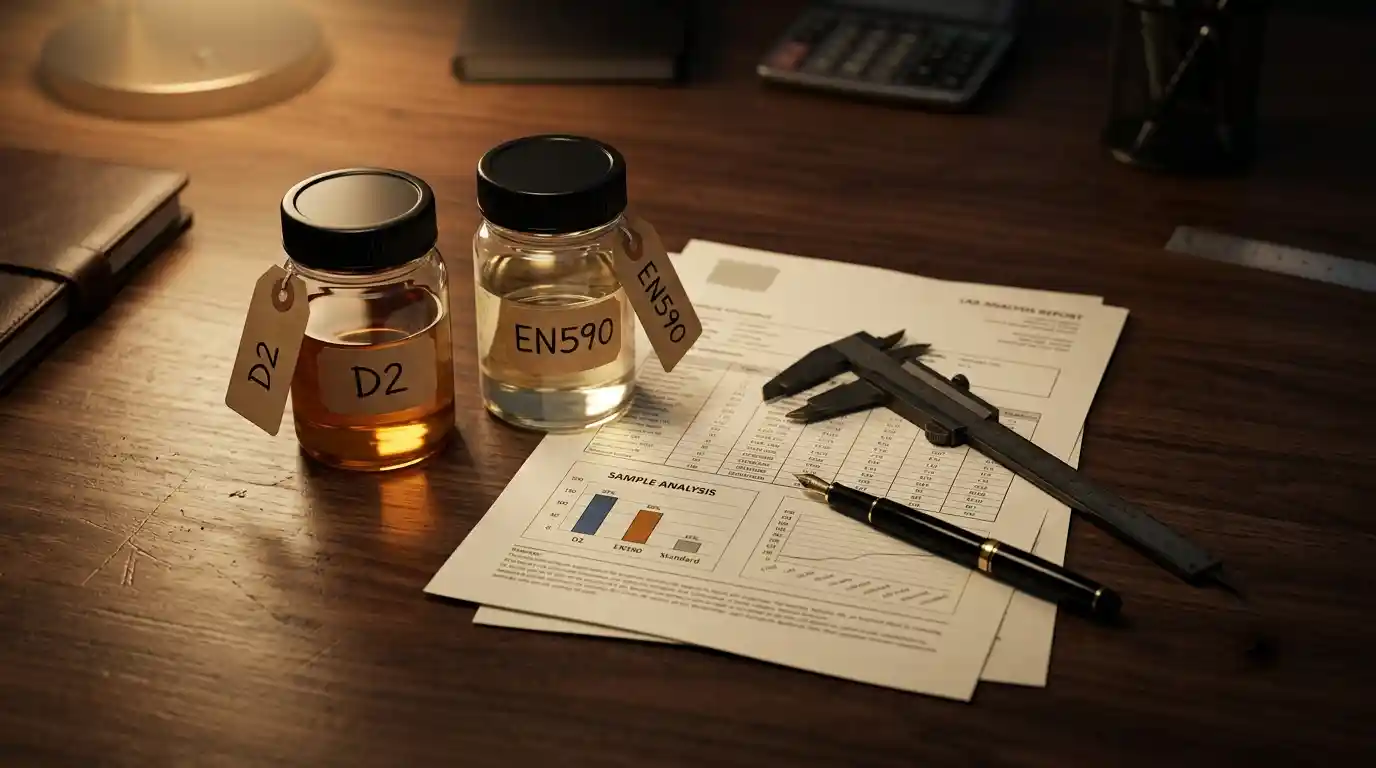
D2 Diesel Specifications in Commercial Contracts: D2 vs. EN590 and Russian GOST
D2 Diesel vs. EN590: Technical Comparison Table
A common error in export negotiations is treating every "diesel" grade as interchangeable. In practice, three distinct international frameworks govern the global gas oil market, each with its own compliance requirements.
Parameter | D2 Diesel | EN590 |
|---|---|---|
Sulfur Content | Max. 5000 ppm | Max. 10 mg/kg |
Cetane Number | 40 to 45 | Min. 51 |
Flash Point | Above 54°C | Above 55°C |
Density at 15°C | Varies by cargo | 820 to 845 kg/m³ |
Primary Use | Heavy industry, marine, generators | Modern urban diesel engines |
Substituting one grade for another in a contract, without the buyer's written confirmation, can lead to cargo rejection at the destination inspection point. For the complete side-by-side breakdown of both grades, see Difference between D2 and EN590 Diesel.
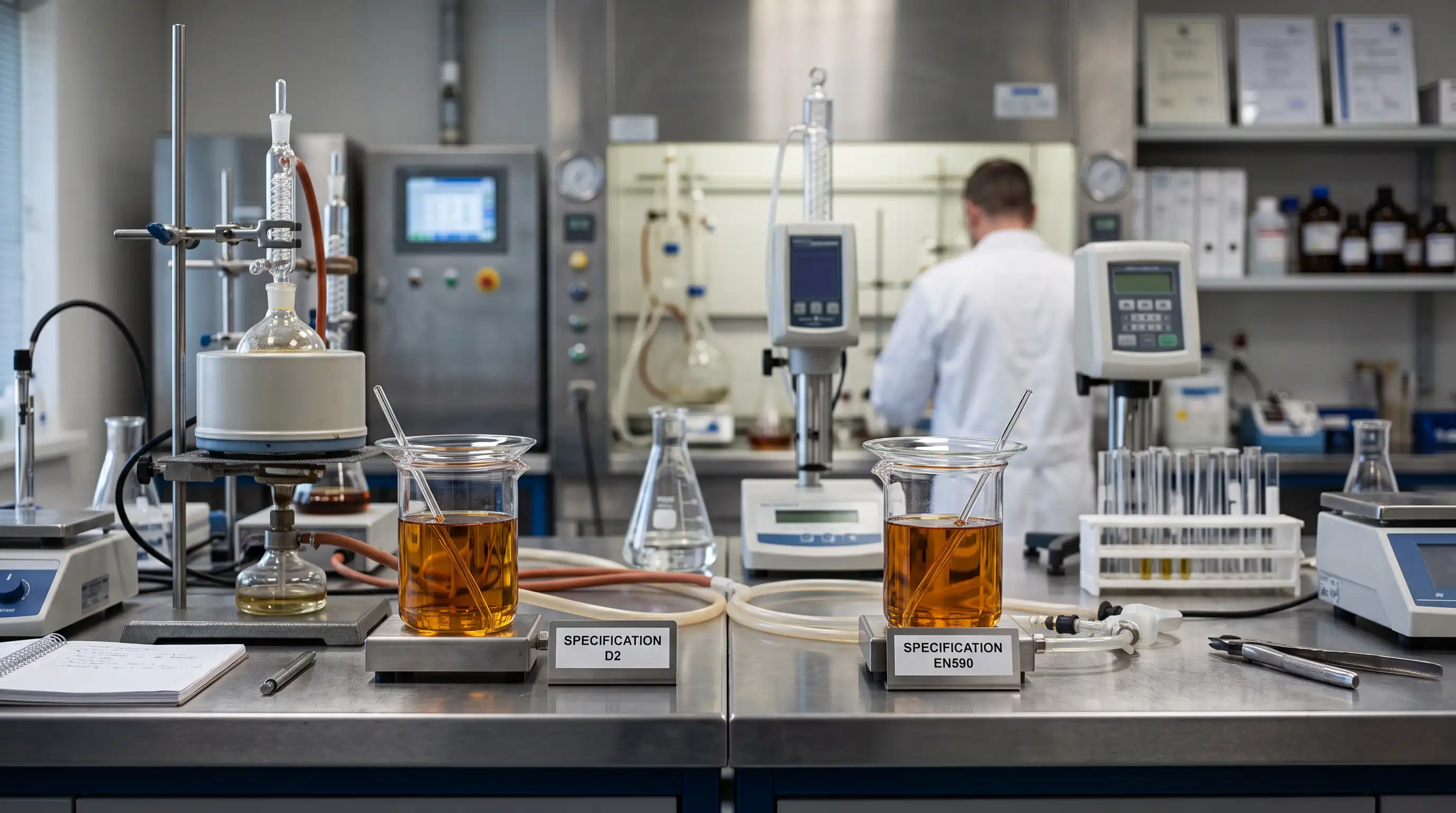
Russian GOST 305-82 Classification vs. Iranian D2
Russia and the Commonwealth of Independent States classify diesel primarily under the GOST 305-82 standard, using seasonal grades (Summer, Winter, and Arctic) rather than the "D2" code common to Iranian contracts. Buyers negotiating with suppliers across multiple regions at the same time should always specify the exact standard reference on the specification sheet, not just the grade's commercial name. Coolak's 5000 ppm Gasoil product is sourced exclusively under Iran's own domestic standard reference, distinct from the GOST 305-82 framework. For the full technical breakdown used in export contracts, see Technical Specifications of D2 Diesel for Export.
Industrial, Marine, and Infrastructure Applications of D2 Diesel
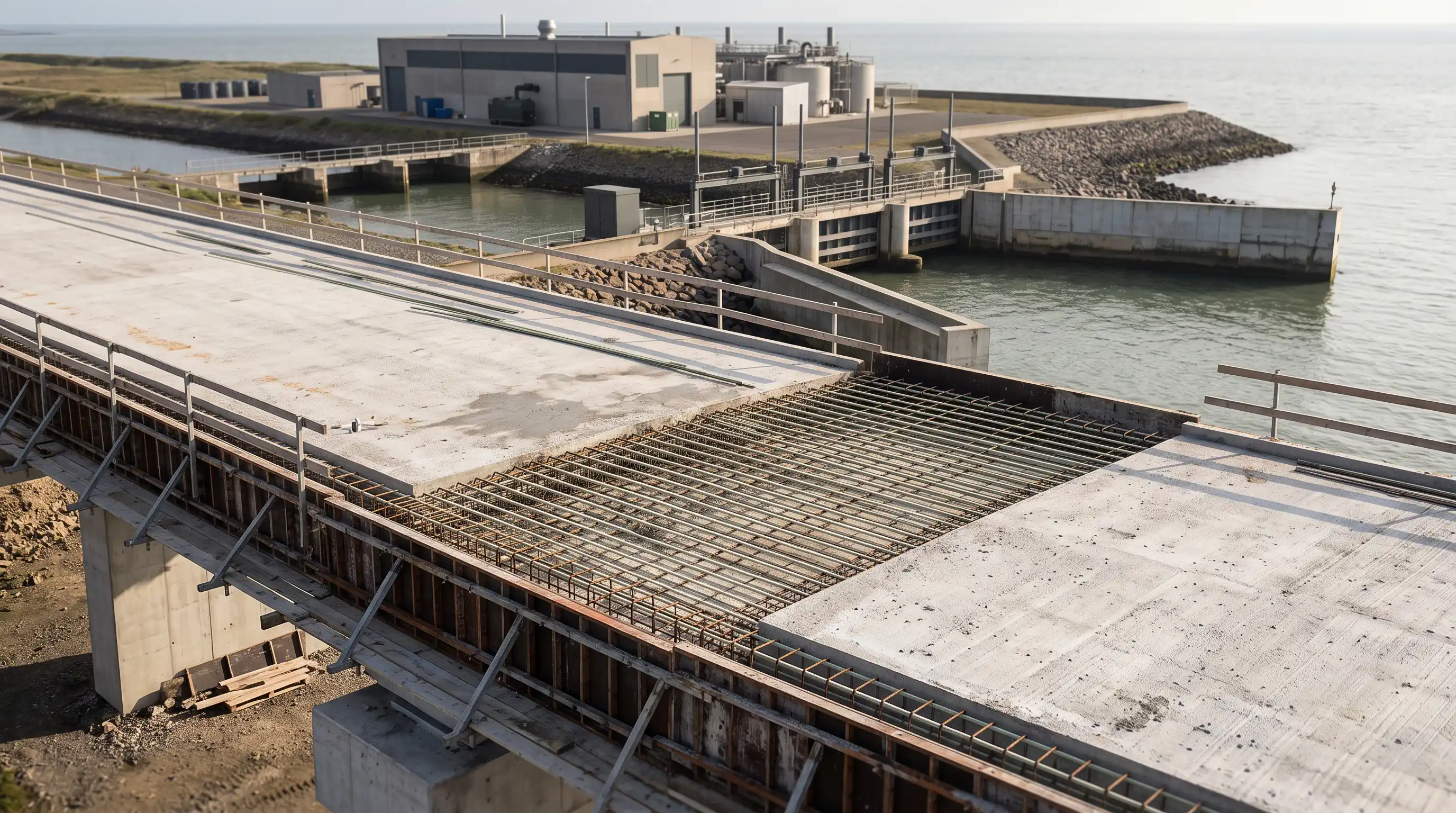
D2 Diesel functions as the backbone of physical development projects worldwide. Sectors that require continuous power and high torque make up its primary consumer base:
Heavy Construction Machinery: Excavators, bulldozers, and heavy loaders rely on this grade for their hydraulic and motive power output.
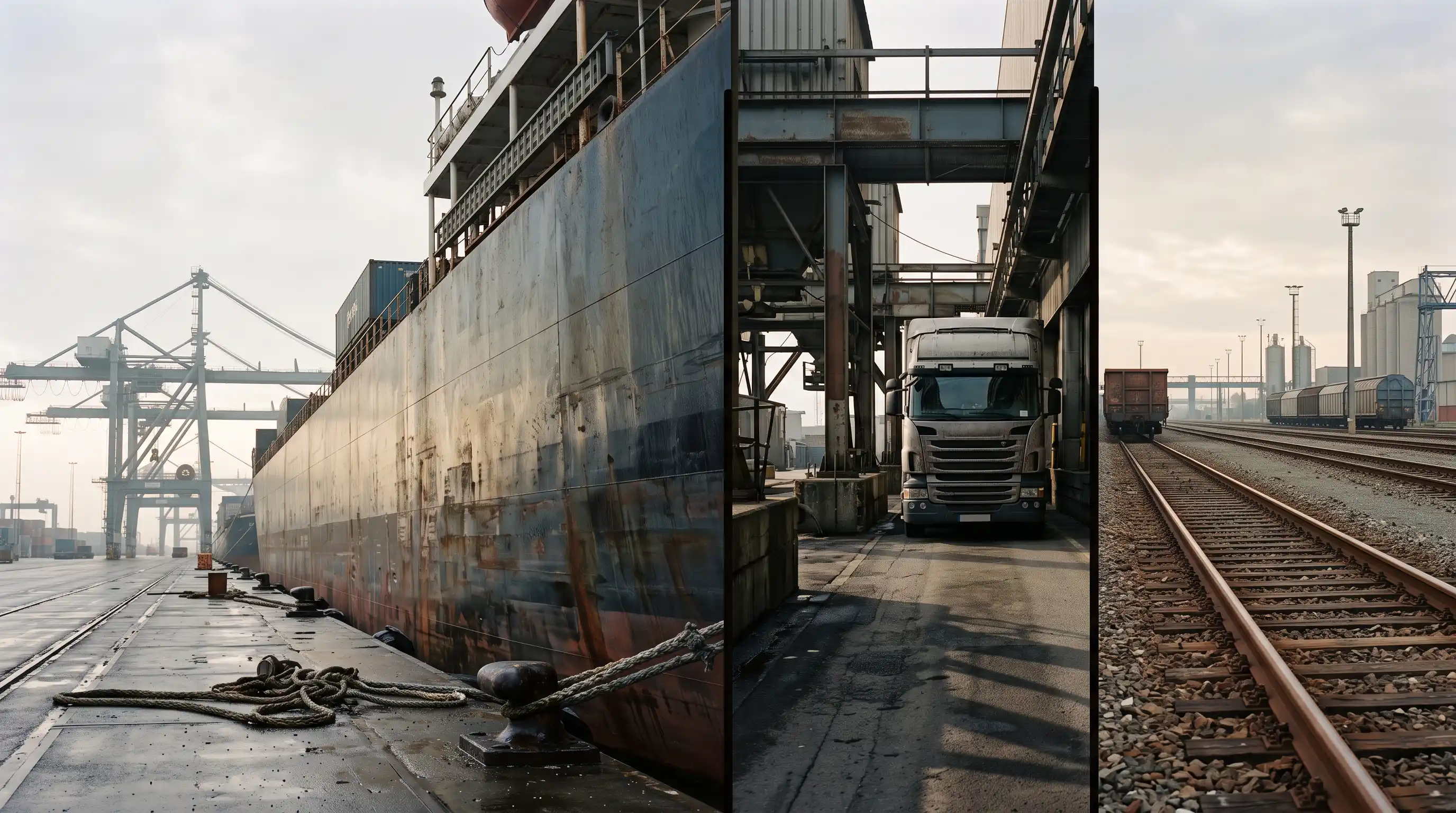
Marine Bunkering and Fleets: Cargo vessels and operational ships burn medium-sulfur diesel over long transit routes, which is precisely why OPL delivery has become a standard logistics requirement in this trade.
Agricultural Equipment: Heavy tractors and harvesters operating under high mechanical load need the thermal value D2 provides.
Power Generation: Manufacturing plants, data centers, and hospitals store large D2 reserves to guarantee continuous emergency power.
Fuel Standards and Diesel Export Protocols: SGS, Incoterms, and OPL Delivery
Entering the international petroleum products market demands full command of both logistics and legal frameworks.
Quality and Quantity (Q&Q) Certification and the Role of Third-Party Inspectors
Deploying an independent inspection firm (such as SGS or Intertek) at the loading point is a non-negotiable requirement in this trade. These agencies issue a Quality and Quantity (Q&Q) certificate confirming the cargo matches the contract specification exactly, and that certificate forms the legal basis for releasing payment under L/C or SBLC structures.
OPL Delivery Points for 5000 ppm Diesel
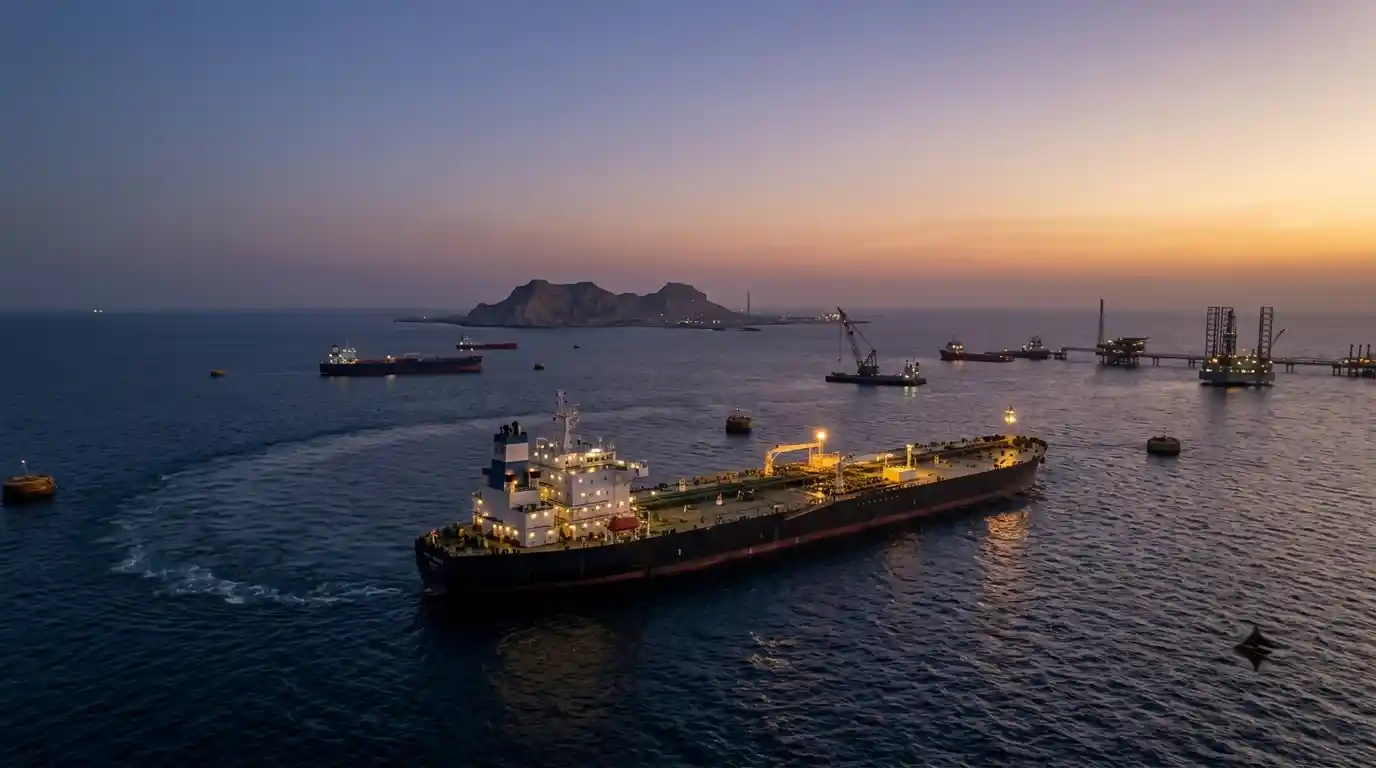
Coolak's 5000 ppm (Iran D2) Gasoil is available for OPL (Outside Port Limits) delivery at the following strategic points:
Iranian waters: Khark, Qeshm, Larak
Omani waters: Shinas
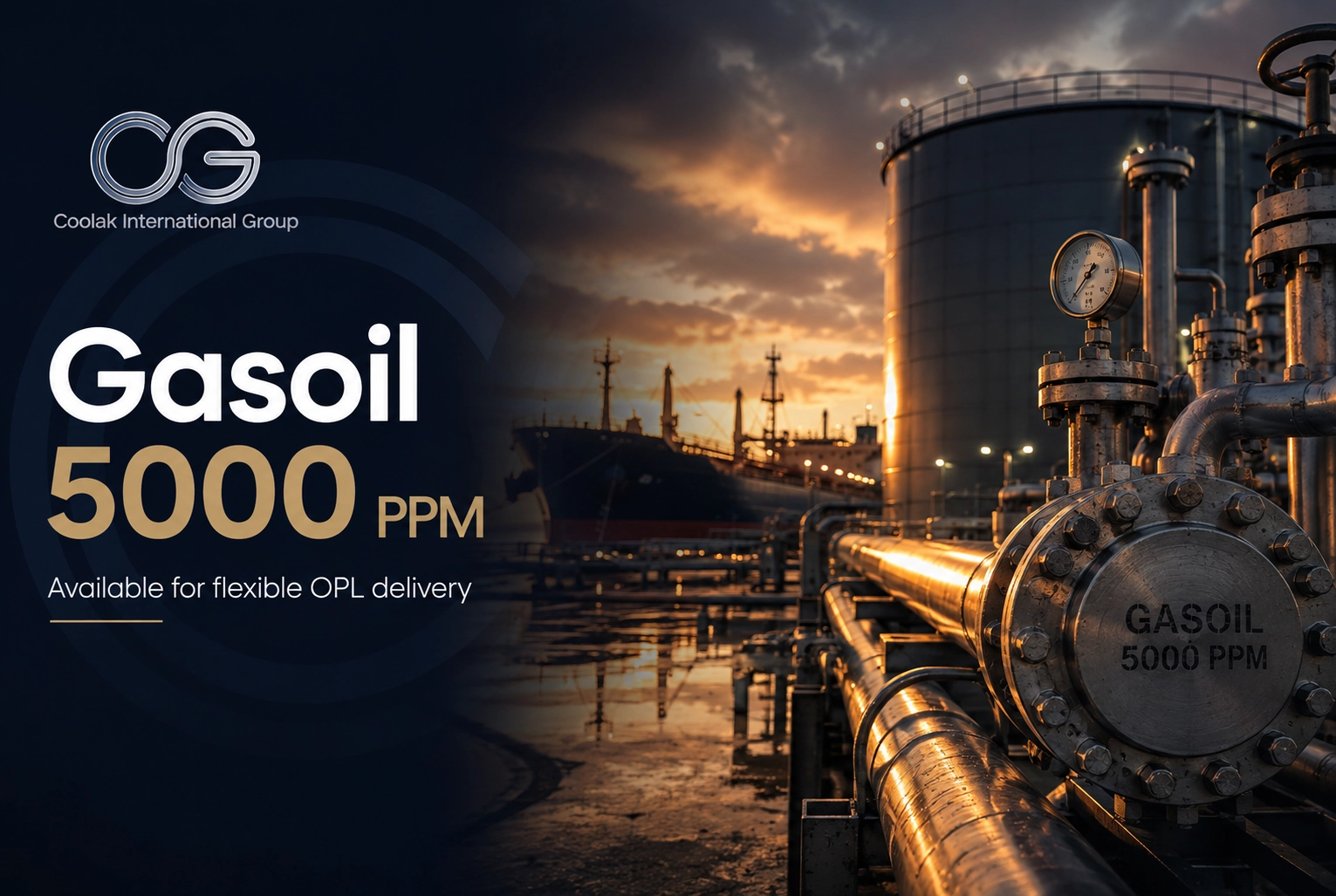
This range of delivery points enables fast, secure ship-to-ship (STS) transfers for buyers' fleets and adds flexibility to supply chain planning. Precise use of Incoterms to define the point of risk transfer, combined with secured payment instruments, neutralizes the inherent risks of this transaction type.
Securing Your Fuel Supply Chain with Coolak International Group
Choosing an informed trading partner reduces the operational and financial exposure that comes with large-volume diesel contracts. Beyond product sourcing, though, it is the legal structure of the deal that actually protects a buyer's capital. Coolak International Group applies its International Contracts & Legal Security service, built on International Chamber of Commerce (ICC) standards, to every Gasoil 5000 ppm shipment — securing payment documentation, defining inspection terms, and setting a clear point of risk transfer.

That structure matters most in OPL transactions, where multiple parties — seller, inspector, and vessel owner — are involved at once. It is the difference between a straightforward delivery and a costly legal dispute.
To secure current pricing on Gasoil 5000 ppm and review the right contract structure for your operation, contact the trade specialists at Coolak International Group or submit your supply request.
Need product guidance?
Contact our team for specifications, availability, and pricing details.