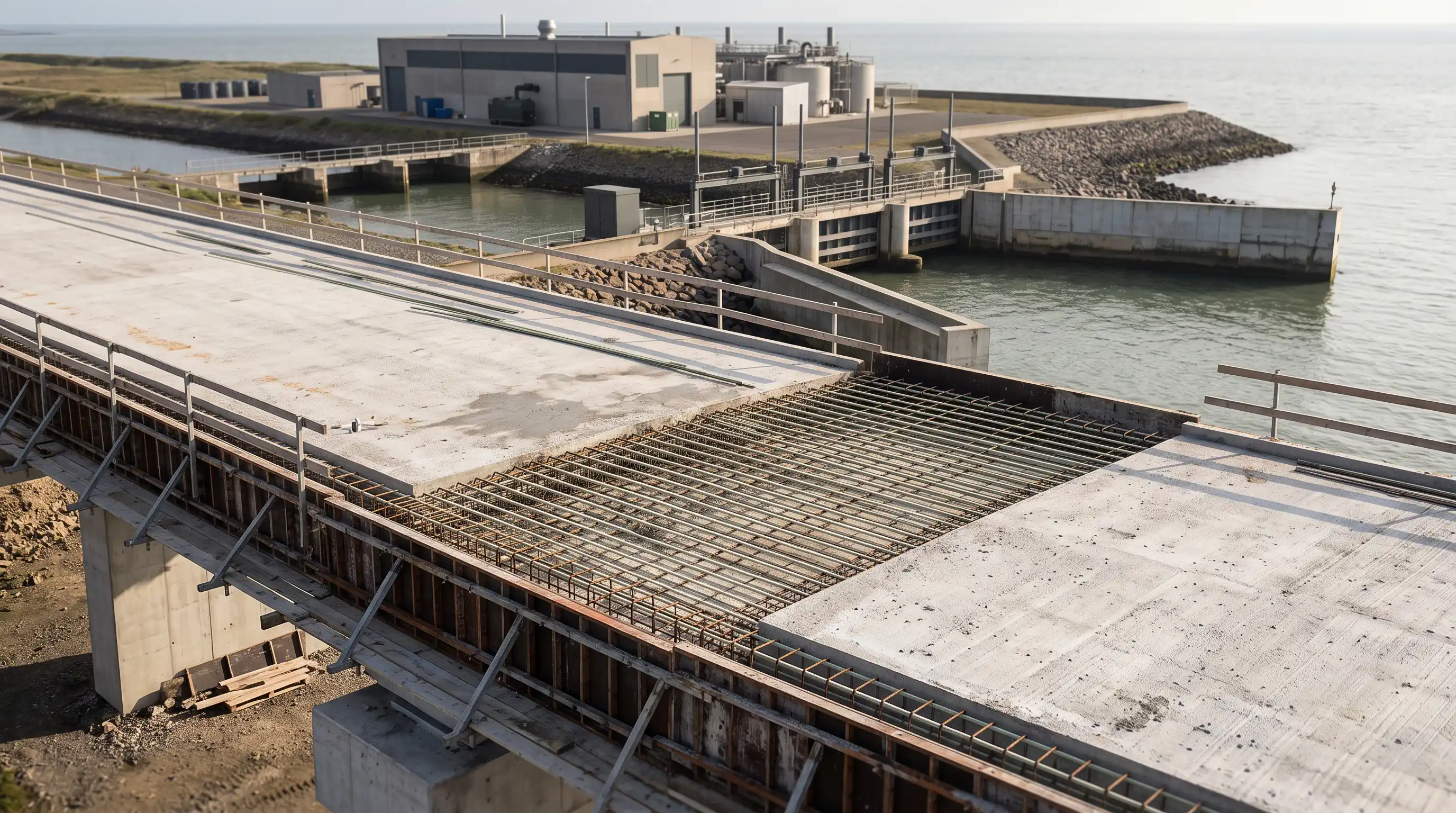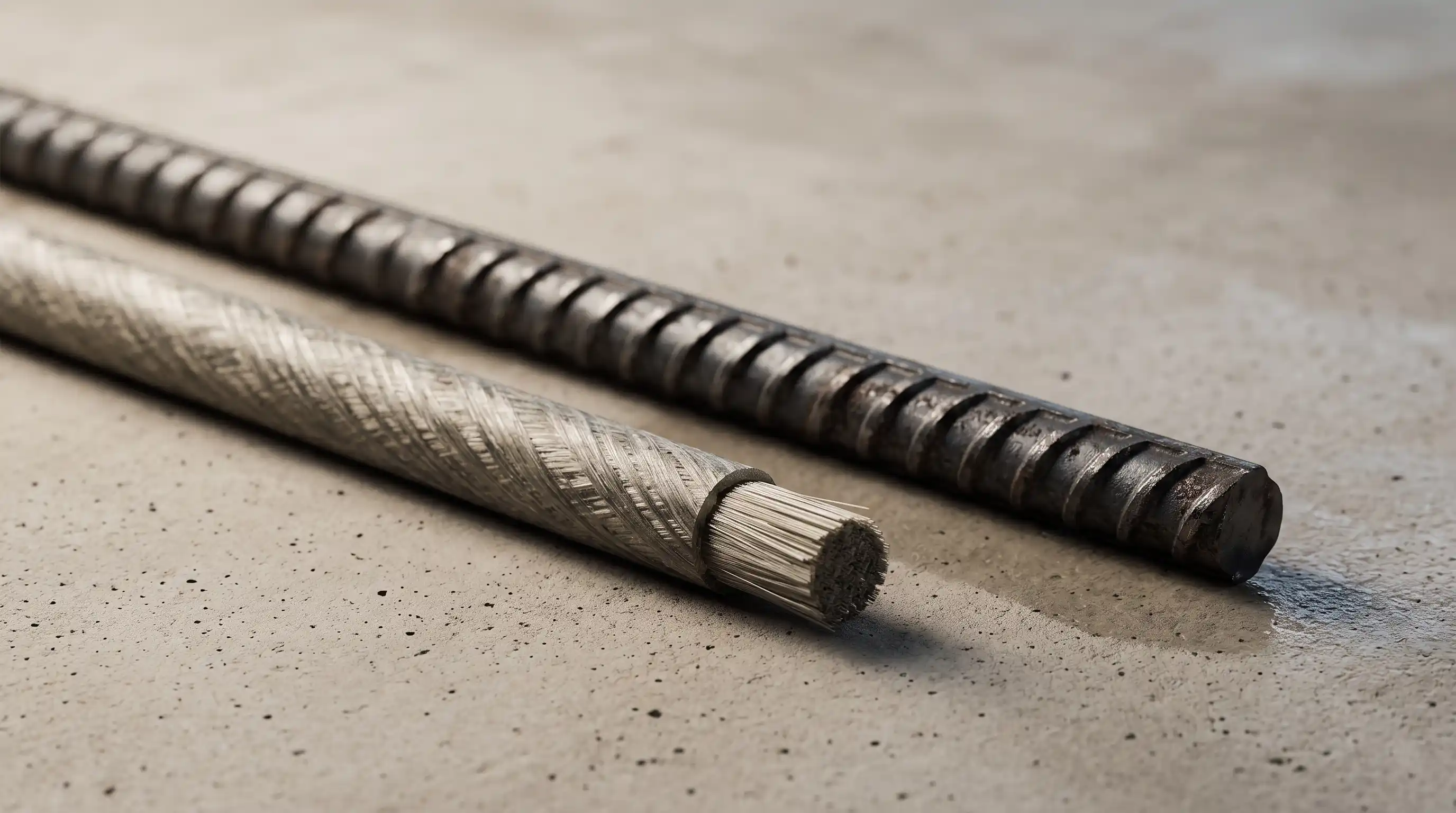
According to the World Steel Association, Iran produced an estimated 31.8 million tonnes of crude steel in 2025 and remained among the world’s ten largest producers. That scale supports several sourcing options, but it does not make every rebar lot suitable for every destination. In Iran steel rebar export transactions, problems often start when a local grade name is treated as equivalent to a foreign standard or offers are compared only by price. The shipment may later fail on strength, ductility, rib geometry, mass per metre, weldability, markings or documents.
Define the technical and import requirements first, then connect the mill, heat number, test certificate, inspection, packaging, Incoterm and payment structure in one executable transaction. Founded in 2017, Coolak International Group believes successful trade begins with better decisions before contract signing. This guide reviews Iranian rebar offers without treating a grade, capacity or lead time as universal.
Key Takeaways:
Trade labels such as A2, A3 and A4 are not enough for an international order; the contract must state the standard, edition and required properties.
A Mill Test Certificate must be traceable to the heat number, bundle tags and product markings.
Independent inspection adds value only when the parties define the scope, sampling method, tests and acceptance criteria in advance.
FOB, CFR and CIF apply to sea transport, but risk under CFR and CIF also transfers at origin; FCA may fit container shipments more accurately.
Capacity and lead time require written confirmation after the mill, grade, diameter mix, volume, destination and production schedule are known.
Is Iranian Rebar Suitable for Bulk Purchasing and Export?
Iranian rebar can suit bulk purchasing when the product matches the destination standard, project specification and import requirements. The World Steel Association estimated Iran’s 2025 crude steel output at 31.8 million tonnes. A specific order still depends on the mill, rolling line, grade, production controls and documents for the relevant heat.
Coolak’s current steel rebar product page lists deformed bar, plain bar and coil in A2, A3 and A4 grades, with diameters from 5.5 to 40 mm. It also lists FOB or CIF delivery from southern Iranian ports, quality certificates and optional independent inspection. These points describe the present sourcing offer, not automatic terms for every inquiry. Stock status, available mill, producible standard and loading date must appear in the final quotation or proforma invoice.

Buyers reviewing a broader steel portfolio can also use the Steel Export Guide for related information on grades, inspection and transaction structure.


How Should a Buyer Write a Rebar Request for Quotation?
A professional RFQ should define the product closely enough that two suppliers quote comparable goods and services. “A3 rebar, 10,000 tonnes, CIF” still leaves critical questions open and may produce offers with different quality requirements, theoretical weights, standards, packaging and inspection coverage. For the commercial, customs, transport, and product-specific paperwork that may support an Iran rebar shipment, see the guide to export documents from Iran.
The RFQ should state at least:
Item | Information to specify |
Product form | Deformed bar, plain bar, wire rod/coil or decoiled product |
Standard | Full standard designation and accepted edition |
Grade | Exact grade under that standard, not only a local trade name |
Dimensions | Nominal diameter, tolerances, bar length or coil data |
Mechanical properties | Minimum yield, tensile strength, ratios and elongation |
Chemistry | Element limits and carbon equivalent where required |
Weldability | Project requirement and assessment method |
Quantity | Total weight, quantity tolerance and shipment schedule |
Packaging | Bundle weight, straps, tags, colour code or markings |
Inspection | Inspection company, scope, place and timing |
Delivery | Exact place, Incoterm and Incoterms® edition |
Documents | Required documents and original/electronic copies |
How Should Standards and Grades Be Matched?
The destination standard should guide grade selection. ISO 6935-2:2019 covers technical requirements for ribbed reinforcing bars delivered as bars, coils and decoiled products. ASTM A615/A615M covers deformed and plain carbon-steel bars for concrete reinforcement in cut lengths and coils. BS 4449:2005+A3:2016 specifies weldable ribbed reinforcing steel supplied as bar, coil and decoiled product.
A2, A3 and A4 are familiar trade labels in Iran, but parties should not convert them automatically into Grade 40, Grade 60, B500B or another foreign grade. The purchase specification must rely on the numerical and testing requirements of the contracted standard.
Which Technical Properties Belong in the Contract?
The contract or technical annex should state yield strength, tensile strength, elongation, bend or rebend requirements where applicable, mass per metre, dimensional tolerances, rib geometry and chemical composition. Projects involving welding should address carbon equivalent and the relevant weldability requirements.
What Should a Mill Test Certificate Show?
A Mill Test Certificate, or MTC, should identify the producer, standard, grade, dimensions, heat or cast number, chemical analysis, mechanical test results, production or test date and the mill’s quality-control authorization. Formats vary by producer, but traceability must remain clear.
How Heat-Number Traceability Reaches the Physical Cargo
The heat number links the physical product to its test results. The number on each bundle tag should match the MTC and packing list, while the rolled markings should identify the mill and product where the standard requires them. If a shipment contains several heats, the bundles and quantity assigned to each heat should be clear. A polished certificate has limited value when the buyer cannot connect it to the goods being delivered.
What Is the Difference Between an MTC and Independent Inspection?
An MTC is the producer’s quality-control record, while independent inspection is a third-party check performed under an agreed scope. They serve different purposes. The MTC reports mill production and test data. The inspector may verify cargo identity, quantity, dimensions, packaging, sampling and agreed laboratory tests.
An inspection scope may cover:
mill name, product marks, heat number and bundle tags;
bundle count and weight under the agreed method;
diameter, length, mass per metre and rib geometry;
witnessed sampling and sample sealing;
tensile, yield, elongation, bend and chemical tests at an accepted laboratory;
packaging, loading and apparent cargo condition;
quality and quantity reporting within the inspector’s mandate.
The name SGS, Intertek or Bureau Veritas does not by itself define the inspection. The contract should state who appoints and pays the inspector, where samples are taken, which test standard applies, what result controls acceptance and what happens after a non-conformity. An inspection company is responsible only for its agreed scope.
How Is an Export Rebar Price Built?
A comparable rebar price is more than a dollar figure per tonne. The weight basis, delivery point, packaging, inspection, freight and payment assumptions must match. Two offers with the same headline price can produce different landed costs.
Key price drivers include:
billet prices and domestic or export market conditions;
grade, standard and quality-control requirements;
diameter and size mix;
ex-stock supply versus a production order;
bar length, bundle weight, tags and special packing;
total volume and single or split shipment schedule;
mill location and transport to the border or port;
freight mode, port costs, ocean freight and insurance;
third-party inspection and testing scope;
offer validity, payment currency and settlement structure.
The buyer should confirm the weight basis, quantity tolerance, terminal and storage costs, and included services. The exporter should state offer validity and freight assumptions.
How Are Export Rebar Packaging and Freight Planned?
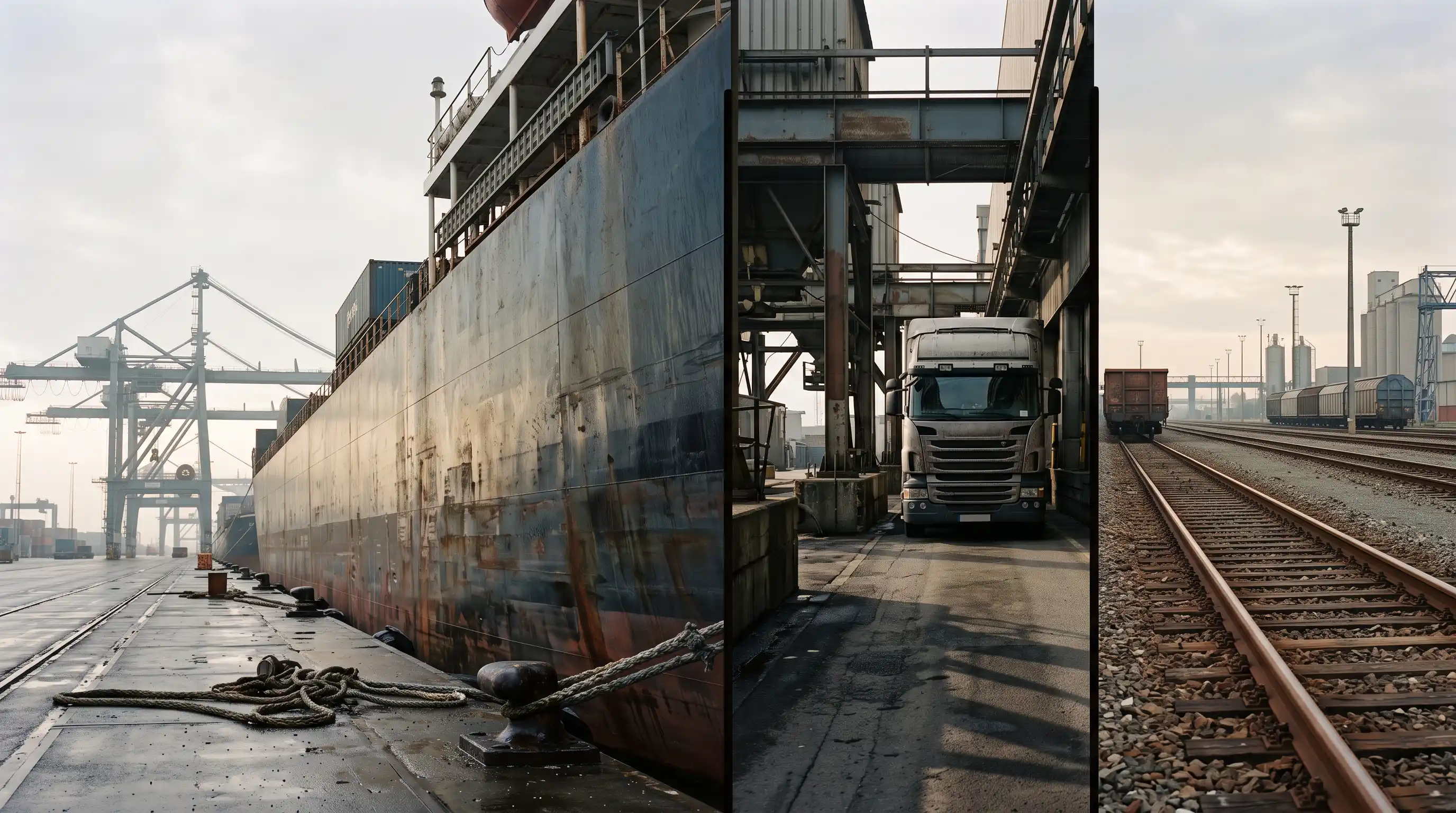
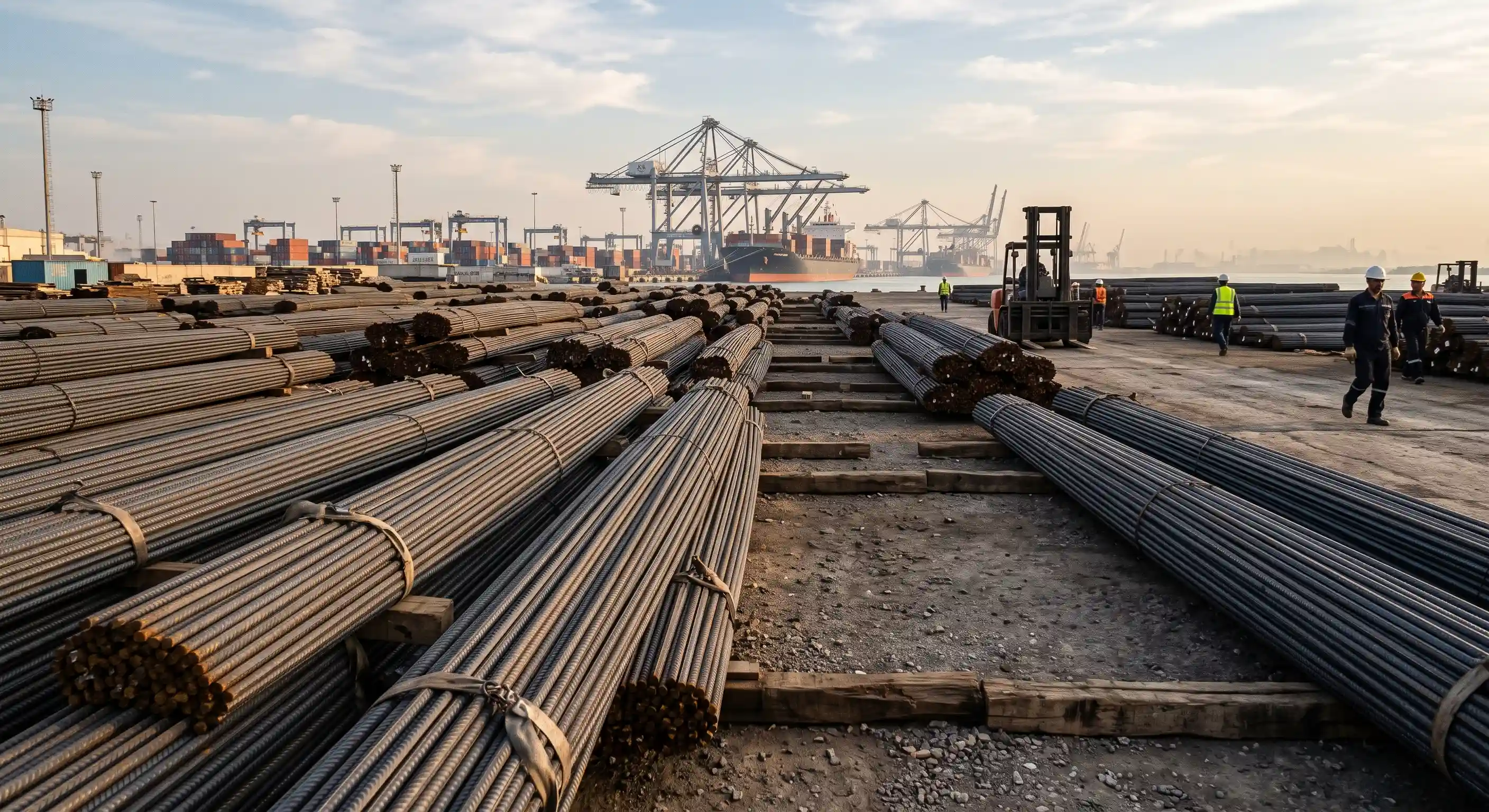
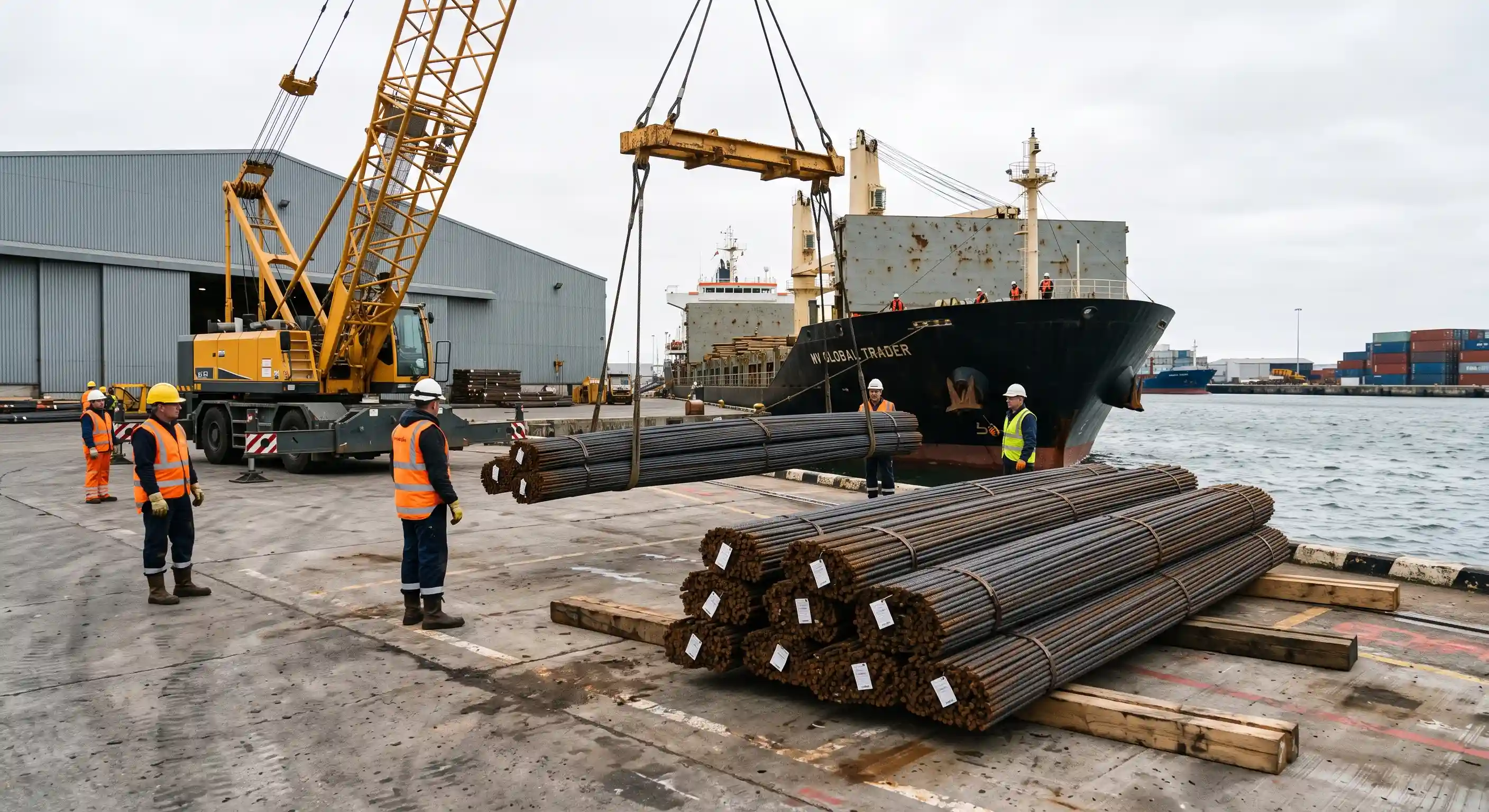
Freight planning should reflect the product form, volume, route, project schedule and delivery point. Straight bars normally move in strapped and tagged bundles. Coils need a different securing plan and lifting method. Bundle weight and stowage must fit the cranes, trailers, containers, warehouse and unloading equipment used along the route.
Coolak’s product page lists approximately 2–3 tonne bundles for straight bars and 1.8–2.5 tonne coils. These are not fixed specifications for every mill and must be confirmed for the selected order. The same page gives indicative loading figures of about 25 tonnes for a 20-foot container and 27 tonnes for a 40-foot container. Actual permitted payload depends on container type, carrier rules, road limits, weight distribution and destination controls.
Road, Container or Breakbulk?
Road freight may reduce port handling for neighbouring destinations, but axle limits, transit permits, border choice and unloading facilities need review. Containers can suit smaller lots or regular liner routes, though securing, concentrated floor loads and detention costs require attention. Breakbulk or other non-container sea freight may suit higher tonnage when both ports have appropriate lifting equipment, storage and vessel availability.
Which Incoterm Fits a Rebar Shipment?
The selected Incoterm should match the actual freight process and the point where each party controls the cargo. Under FOB, the seller delivers the goods on board the nominated vessel at the port of shipment, and risk transfers there. Under CFR, the seller pays freight to the destination port, but risk still transfers when the goods are on board at origin. CIF follows the same risk point and adds the seller’s obligation to arrange the required marine insurance.
For container cargo, ICC often considers FCA more suitable than FOB because the seller usually hands the container to the carrier or terminal before it is loaded on the vessel. The contract should state the rule, the exact named place or port and Incoterms® 2020; for example, FCA [Named Terminal], Incoterms® 2020.
Coolak’s Incoterms 2020 guide provides a fuller comparison of delivery, costs and risk transfer.

Which Documents Support a Rebar Export Shipment?
The parties should align the document list with customs, banking, insurance, inspection and destination requirements before signing the contract. A typical set may include:
Commercial Invoice;
Packing List broken down by size, bundle, weight and heat;
Certificate of Origin;
Mill Test Certificate;
supplementary Chemical Analysis or test report when agreed;
quality and quantity inspection report when requested;
Bill of Lading, CMR or another route-specific transport document;
insurance policy when the seller must arrange cover;
destination conformity certificates or permits where required.
The contract should identify the issuer, number of originals, acceptable electronic copies and submission deadlines for each document. Small inconsistencies in product names, contract numbers, weights, dates or ports can create documentary-credit discrepancies or customs delays.
What Risks Should Buyers, Mills and Exporters Control?
The largest risks usually come from vague specifications, untraceable documents, unverified supply authority, unclear price bases and unrealistic freight schedules.
Bulk buyers should verify the destination standard, import approval, unloading capacity, inspection process, sampling plan and payment structure before making a financial commitment.
Mills and producers should align their rolling schedule, billet supply, producible grade and diameter, tags, MTC format and heat segregation with the sales contract.
Exporters should manage counterparty checks, authority to sell, customs classification, documents, freight, funds flow and contractual obligations as one connected process.
In multi-intermediary transactions, an SCO or FCO alone does not prove stock, allocation or selling authority. Company identity, registration, a verifiable connection to the source, access for inspection and a payment procedure that matches real documents carry more weight. Coolak’s international trade contract service helps convert technical and commercial requirements into clear, executable obligations.

Coolak International Group’s Current Rebar Supply Scope
According to the current product page, Coolak International Group can review inquiries for deformed, plain and coiled Iranian rebar in A2, A3 and A4 grades and diameters from 5.5 to 40 mm. The page states a current monthly supply range of 5,000 to 20,000 tonnes across rebar types. Each inquiry still requires fresh confirmation based on the mill, grade, size mix, production schedule, destination and transaction terms. The stated range should not be treated as a reserved allocation.
The product page lists 5–7 working days for stock items and 30–45 working days for production orders. Actual lead time starts from the agreed contractual trigger and depends on technical approval, payment or financial instrument, inspection readiness, freight booking and operating conditions.
Possible delivery structures include FOB, CFR, CIF and road freight on suitable routes. TT and LC at sight are also listed as structures that may be reviewed. The final method depends on the parties, banks, applicable controls and transaction-risk assessment.
Submit a Rebar Supply Request with Verifiable Specifications
To receive a comparable offer, send the standard, grade, diameter mix, length, quantity, destination, delivery schedule, proposed Incoterm, inspection scope and payment preference. Coolak International Group will first assess supply feasibility, documentation, freight route and transaction structure, then present an offer based on information that can be confirmed.
Submit an LOI or ICPO with your order details through the Trade Requests page.
Secure Trade Begins with Better Decisions.
Need product guidance?
Contact our team for specifications, availability, and pricing details.