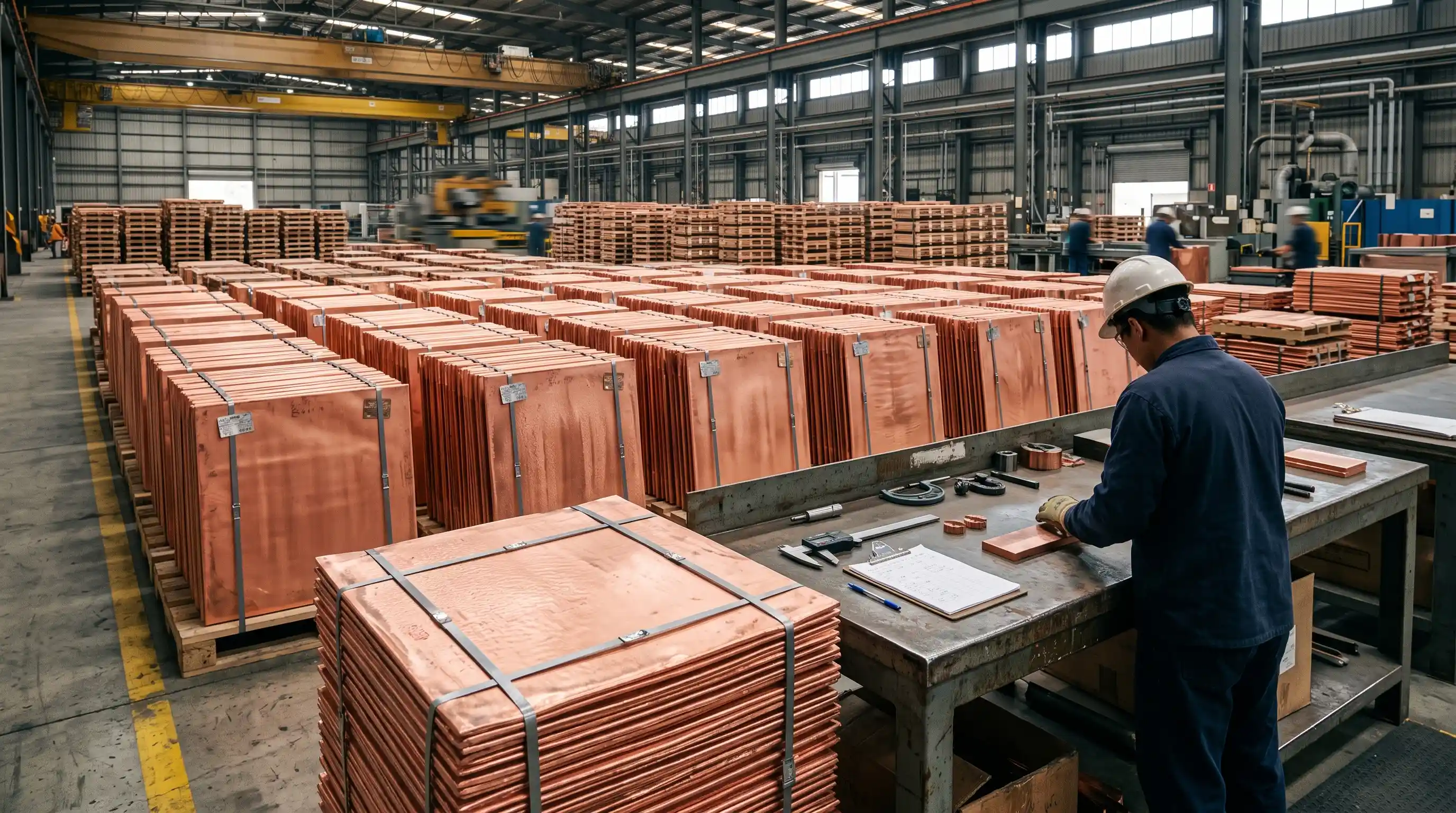
Copper cathode standards such as LME Grade A, ASTM B115 and EN 1978 cannot be reduced to one purity percentage printed on a Certificate of Analysis. For an industrial buyer, the more useful questions are: Which standard governs the cargo? Which edition applies? What grade is being purchased? Which chemical and physical requirements are binding, and how will conformity be tested if the parties disagree?
Those questions matter because the major references are related but not identical. The London Metal Exchange currently states that Grade A copper must conform to the chemical composition of recognized standards including BS EN 1978:2022 Cu-CATH-1 and ASTM B115-10 (2021) cathode Grade 1. ASTM, meanwhile, lists B115-24 as its current active specification for electrolytic copper cathode.
This guide from Coolak International Group separates those roles. It explains what LME Grade A means, how ASTM B115 and EN 1978 differ, what buyers should check in a COA, and how to convert a technical requirement into an RFQ or contract specification that can actually be inspected and enforced.
Key Takeaways:
LME Grade A, ASTM B115 and EN 1978 are related references, but they do not perform exactly the same function.
“LME-compliant” should not automatically be read as “LME-deliverable.”
The standard year or edition matters, especially for ASTM B115.
Headline copper purity does not replace element limits, sampling rules or acceptance criteria.
The COA, inspection scope and contract should point to the same product specification.
What Standards Apply to Copper Cathode?
A useful way to understand copper cathode specifications is to separate three layers: market or exchange requirements, technical product standards, and the buyer-seller contract specification.
LME Grade A belongs primarily to the first layer. The LME defines the conditions that apply to copper deliverable against its physical contract. ASTM B115 and EN 1978 are technical product standards covering electrolytic copper cathode requirements. The contract specification then identifies which standard, edition, grade and testing arrangement apply to one particular transaction.
If your question is broader—what cathode is, how it is produced and where it is used—the complete copper cathode guide covers that subject. This page is intentionally narrower: it owns the standards, comparison and specification intent.
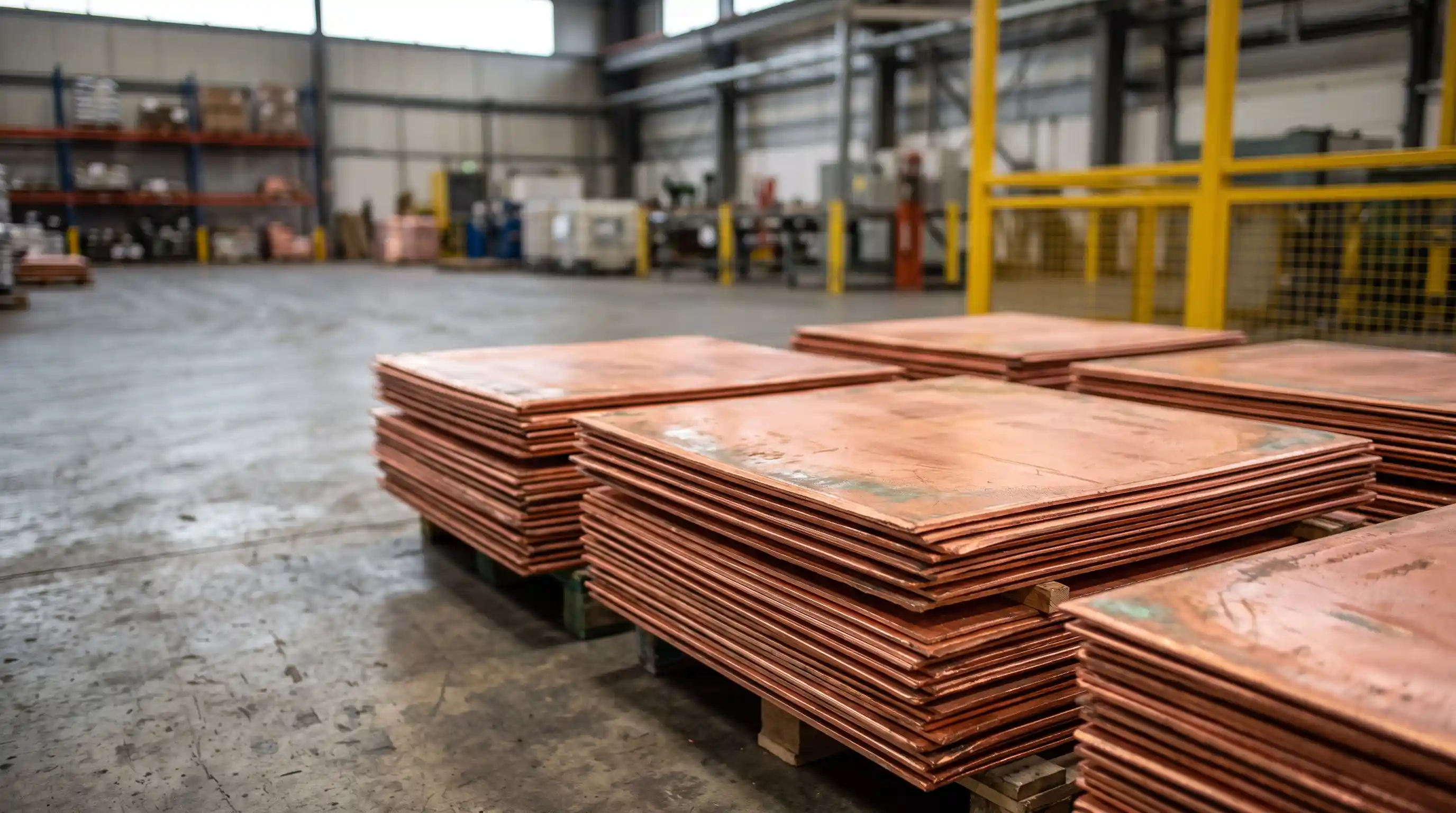
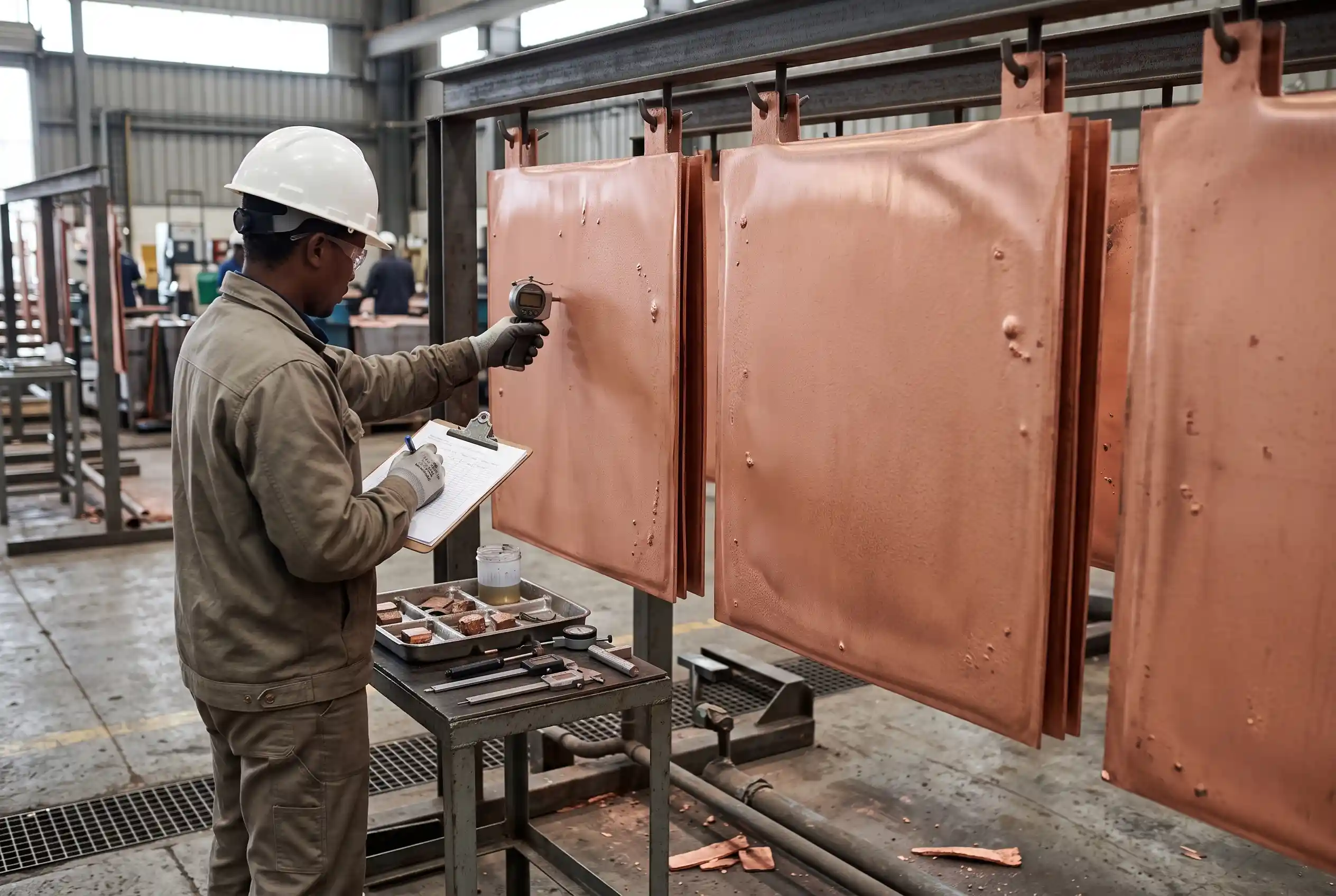
Three specification layers buyers should separate
Layer one: the governing reference
The first question is which technical or market framework is being cited: for example ASTM B115, EN 1978 or LME Grade A requirements.
Layer two: edition and grade
A standard number without an edition can leave an avoidable gap. ASTM currently identifies B115-24 as active, while the current LME Grade A specification names B115-10 (2021).
The buyer’s control question
Before approving an RFQ, ask: Which standard, which edition, which grade and which acceptance procedure will govern the cargo? That question is more useful than asking only whether a seller can offer “Grade A.”
What Does LME Grade A Actually Require?
LME Grade A is not simply another name for a 99.99% copper line on a product sheet. The current LME Copper physical specification states that Grade A copper must conform to the chemical composition of one of the following standards:
BS EN 1978:2022 — Cu-CATH-1
GB/T 467-2010 — Cu-CATH-1
ASTM B115-10 (2021) — cathode Grade 1
The LME also specifies cathode shape and requires copper deliverable against LME contracts to be an LME-approved brand. Its standard physical contract lot is 25 tonnes, and the warrant is 25 tonnes with a ±2% tolerance.
That distinction has a direct procurement consequence: meeting the chemistry of an accepted technical standard does not, by itself, prove that a cargo is LME-deliverable metal.
If a buyer genuinely requires LME deliverability, the approved-brand condition and applicable LME requirements need to be checked separately.
LME-compliant vs LME-deliverable
The expression “LME Grade A” is often used commercially as a shorthand for high-quality cathode. A contract should be more precise.
If the buyer needs a defined chemical grade, state the relevant technical standard and grade. If the buyer requires material that can qualify for delivery against the LME physical contract, confirm that the producer brand is on the LME approved list and that the other applicable requirements are satisfied. The LME explicitly states that copper deliverable against its contracts must be of an LME-approved brand.
For the definition, applications and sourcing context rather than the standards comparison itself, see what Grade A copper cathode means.
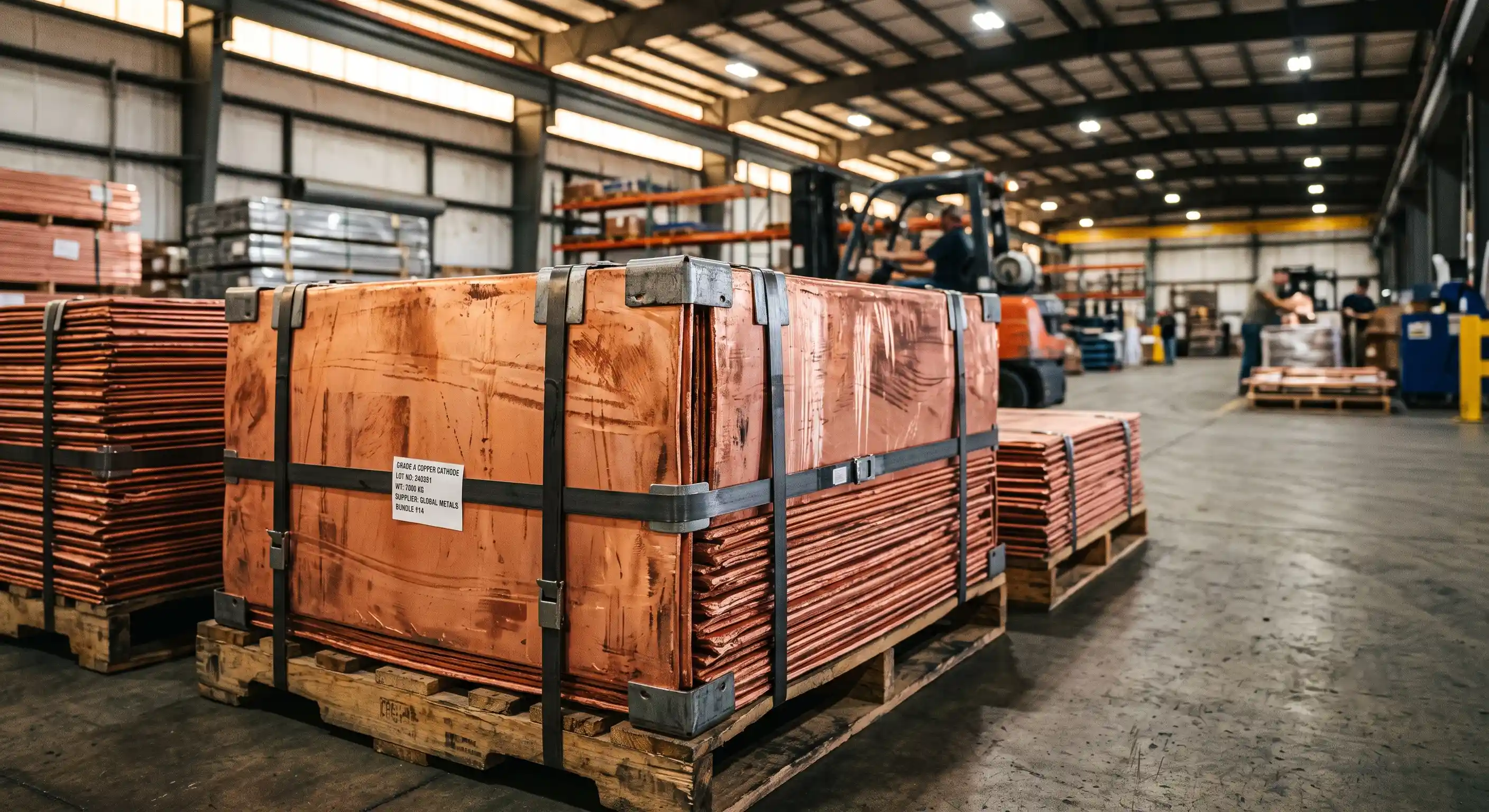
ASTM B115 Copper Cathode Requirements
ASTM B115-24 is the current active ASTM specification for electrolytic copper cathode. ASTM states that the standard covers both electrorefined and electrowon cathode.
The ASTM abstract confirms several important areas of control. Cathode supplied to the specification must meet its chemical-composition requirements. It must withstand ordinary handling without breakage or excessive separation of nodules and be substantially free from foreign material such as copper sulfate, dirt, grease and oil. ASTM B115 also addresses electrical resistivity testing.
ASTM identifies Grade 1 cathode with the chemical-composition requirements of Copper UNS C11040, except for oxygen, and notes its suitability for wire rod made to ASTM B49.
For procurement teams, this matters because ASTM B115 is not only a headline-purity reference. It creates a more complete technical basis for defining the cathode supplied.
ASTM B115-24 vs ASTM B115-10 (2021)
Both edition numbers can legitimately appear in a current copper discussion, but for different reasons.
If a buyer specifies the current active ASTM standard, ASTM B115-24 is the relevant edition. ASTM lists it as active and identifies B115-10(2021) as a historical version.
If a contract intends to mirror the standard reference currently stated on the LME Grade A contract page, the LME presently names ASTM B115-10 (2021), cathode Grade 1.
This is why a purchase order should not stop at:
ASTM B115
A clearer formulation is:
ASTM B115-24, Grade 1
Or, where the parties intentionally follow the edition currently referenced by LME:
ASTM B115-10 (2021), Cathode Grade 1, as referenced by the current LME Copper Grade A specification
The correct choice depends on the buyer’s requirement and contract basis.
EN 1978 Copper Cathode Requirements
BSI lists BS EN 1978:2022 as the current edition of Copper and copper alloys — Copper cathodes. Its scope covers composition and property requirements for two copper cathode grades: Cu-CATH-1 (CR001A) and Cu-CATH-2 (CR002A).
The standard also includes a normative annex dealing with cathode sampling in cases of dispute between purchaser and supplier, while another annex provides information on the relationship between electrical resistivity and conductivity.
For a buyer, the practical lesson is simple: “EN 1978” is not a complete purchase specification by itself. The contract should state the edition and grade.
The current LME Copper page specifically references BS EN 1978:2022 — Cu-CATH-1 among the accepted chemical-composition standards for Grade A copper.
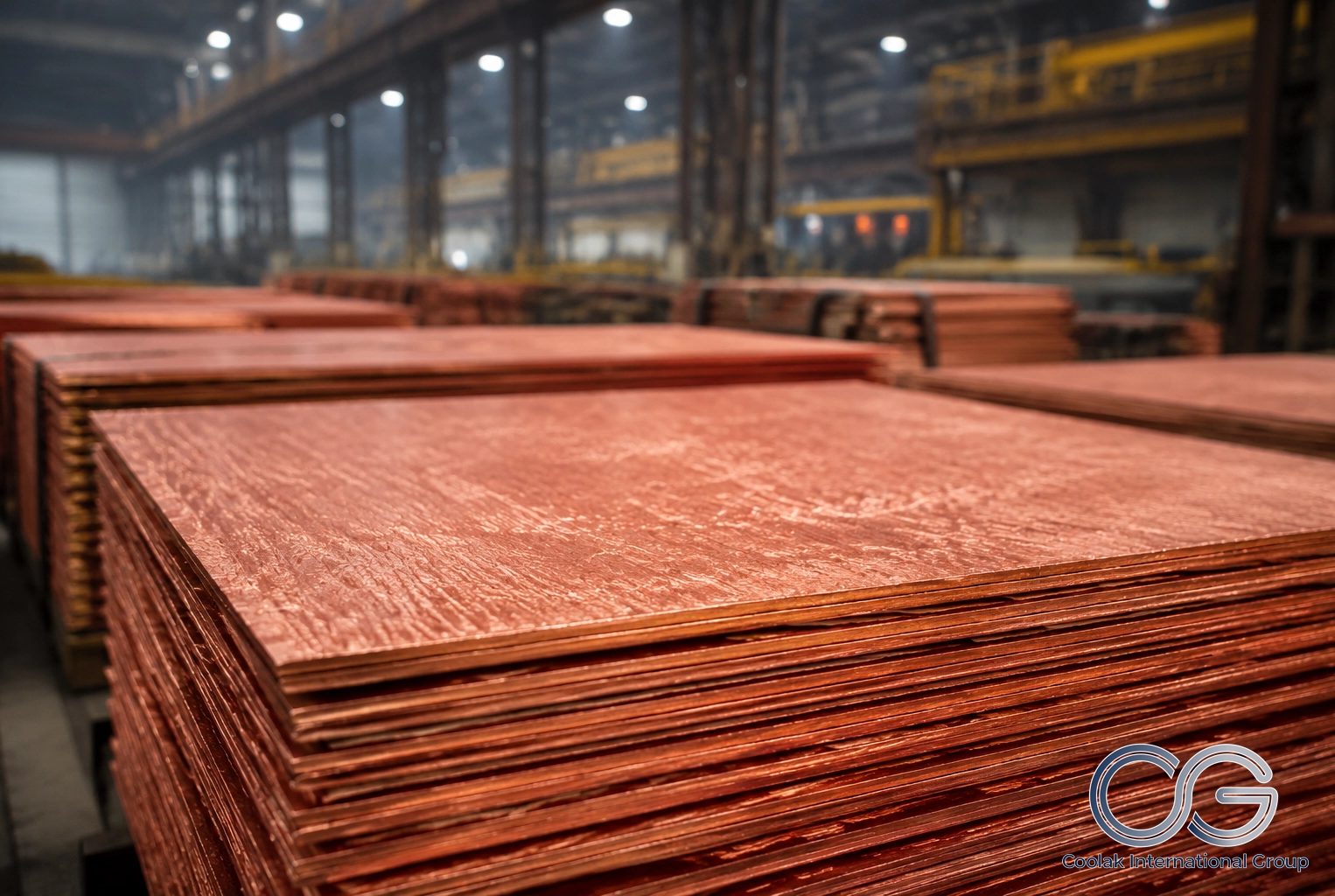
Coolak International Group’s current Refined Copper Cathode page identifies the offered product specification as Cu-CATH-1 under EN 1978, with declared Cu of at least 99.99% and a COA available on request.
The final commercial acceptance should still be based on the agreed specification and the actual documentation for the relevant lot.
LME vs ASTM B115 vs EN 1978: Comparison Table
The table below compares the three references from a buyer’s perspective. It is not a reproduction of proprietary standards tables; it shows the verified scope and commercial role of each reference.
Point of comparison | LME Copper Grade A | ASTM B115 | BS EN 1978 |
Type | Exchange contract / physical-delivery requirement | Technical product specification | Technical product standard |
Current relevant reference | Current LME Copper specification | B115-24 Active | BS EN 1978:2022 Current |
Grade linked to Grade A | Refers to accepted technical grades | Grade 1 | Cu-CATH-1 |
ASTM/EN edition currently named by LME | — | B115-10 (2021) | BS EN 1978:2022 |
Chemical composition | Through accepted referenced standards | Covered | Covered |
Physical requirements | Cathode shape plus delivery conditions | Handling, foreign material and related requirements | Composition and property requirements |
Brand requirement | LME-approved brand for LME delivery | Not its primary purpose | Not its primary purpose |
Sampling/testing relevance | Works with applicable contract and standards framework | Chemical/testing and resistivity provisions | Dispute sampling addressed in Annex A |
Main buyer use | LME Grade A / LME delivery requirement | ASTM-based technical specification | EN-based technical specification |
Main drafting risk | Treating “LME” as a complete specification | Omitting the edition | Omitting edition or Cu-CATH grade |
The edition and scope information in this table is based on the current LME, ASTM and BSI records.
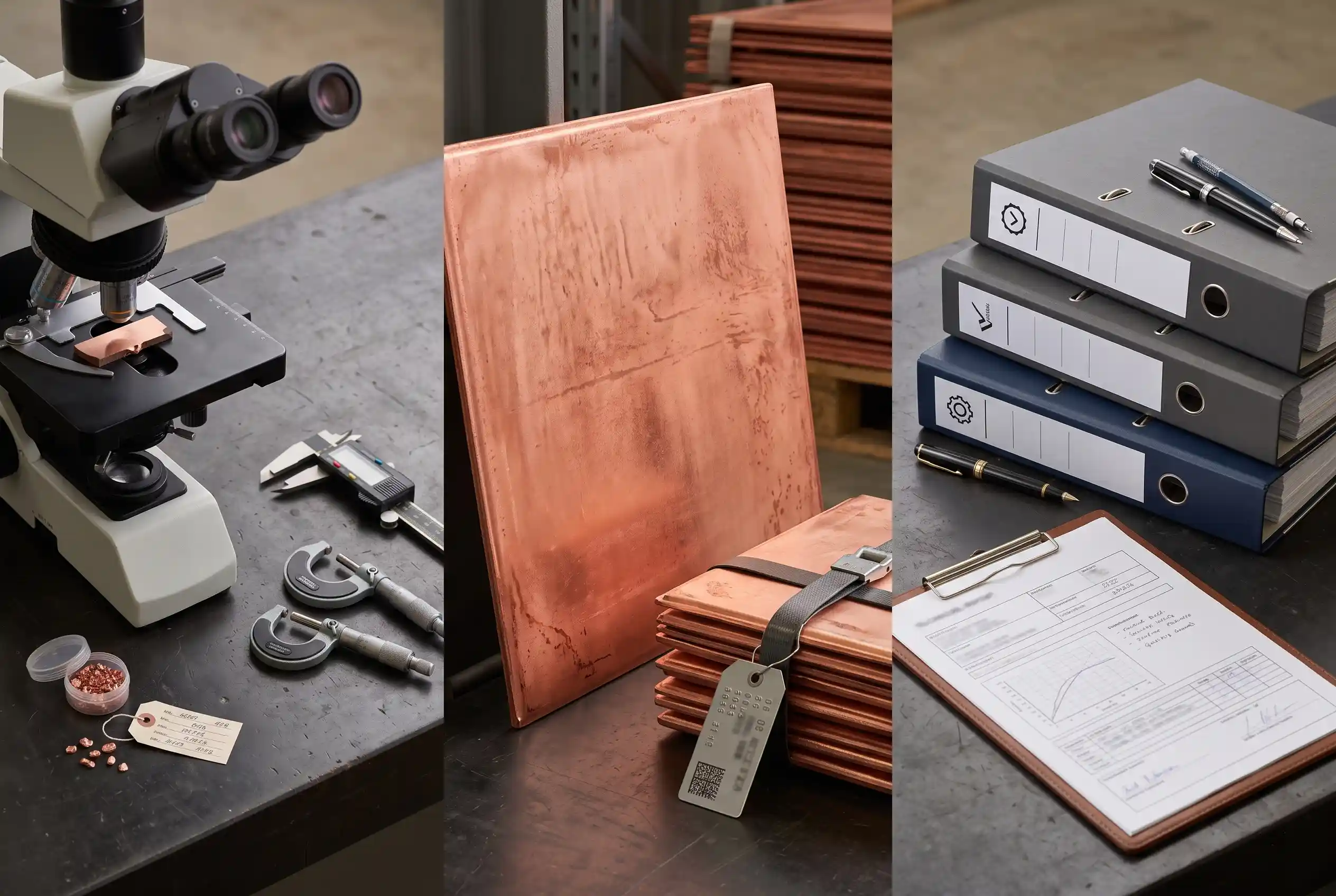
How Should Buyers Read Chemical Impurity Limits?
One of the easiest mistakes in a copper cathode purchase is to treat the entire specification as one number: “Cu 99.99%.”
Copper content is a key screening parameter, but a technical standard deals with more than a headline purity figure. Trace elements and other properties may be controlled individually. Depending on the specification, the analysis may address elements such as Ag, As, Sb, Bi, Pb, Ni, Fe, S and O.
ASTM’s public record confirms that B115 contains chemical-composition requirements, while BSI states that EN 1978:2022 defines composition and property requirements. The full numerical tables belong to the relevant standard documents and should be checked from the governing edition rather than reconstructed from mixed web summaries.
Why copying impurity numbers from different sources is risky
A buyer may receive four different documents:
the producer’s technical data sheet;
a COA for a production batch;
an RFQ referring to ASTM or EN;
an offer stating “LME Grade A.”
Those documents are not automatically interchangeable.
A producer may declare tighter limits for certain elements than the governing standard. Another product sheet may use a different grade or edition. Copying one impurity ceiling from one document and another value from a second source can create a hybrid specification that no party originally intended.
The safer sequence is:
choose the governing standard and edition;
state the grade;
attach or reference any additional buyer limits;
require the final COA to report the agreed parameters;
define what happens if the result falls outside acceptance limits.
The Base Metals & Metal Products section of Coolak’s site applies the same procurement logic by identifying purity, impurity limits, standard, dimensions and surface condition as core parameters to compare before buying copper cathode.
Physical Condition Requirements Matter Too
Chemical conformity does not eliminate the need for physical inspection.
ASTM B115-24 states that cathodes should withstand ordinary handling without breakage or excessive separation of nodules. They should also be substantially free of foreign material, including copper sulfate, dirt, grease and oil.
A buyer’s technical specification can therefore address points such as:
acceptable cathode shape;
surface contamination;
damaged or broken plates;
excessive nodules or loose material;
bundle integrity and strapping;
producer or batch identification;
bundle and cargo weight;
condition at the agreed inspection point.
The exact criteria should reflect the standard, downstream process and logistics arrangement rather than an arbitrary visual checklist.
LME requirements provide another useful reminder: chemistry is only one part of qualification. The current LME specification separately identifies cathode shape and approved-brand status.
COA vs Independent Inspection
A Certificate of Analysis reports analytical results for the product or lot; an independent inspection verifies whatever scope the parties have instructed the inspector to check.
The distinction matters because an inspection certificate is only as useful as its scope.
A COA should allow the buyer to connect the reported chemistry to the relevant product, producer and lot or batch. An independent inspection may add controls such as identification, quantity, weight, physical condition, packing, marking, sampling or witnessing of laboratory analysis—if those services are included in the inspection instruction.
A well-known inspection-company name on a PDF does not mean every buyer requirement was checked.
What should be cross-checked?
Before accepting the document package, compare:
producer or brand name;
lot, batch or bundle references;
governing standard and grade;
sampling and test dates;
reported chemical results;
inspection location;
quantity or weight where included in scope;
remarks, deviations or reservations;
consistency with packing and shipment documents.
If independent sampling is a contractual condition, a producer COA does not replace it. If the inspector was instructed only to verify quantity and visual condition, the resulting inspection report should not be treated as an independent chemical certificate.
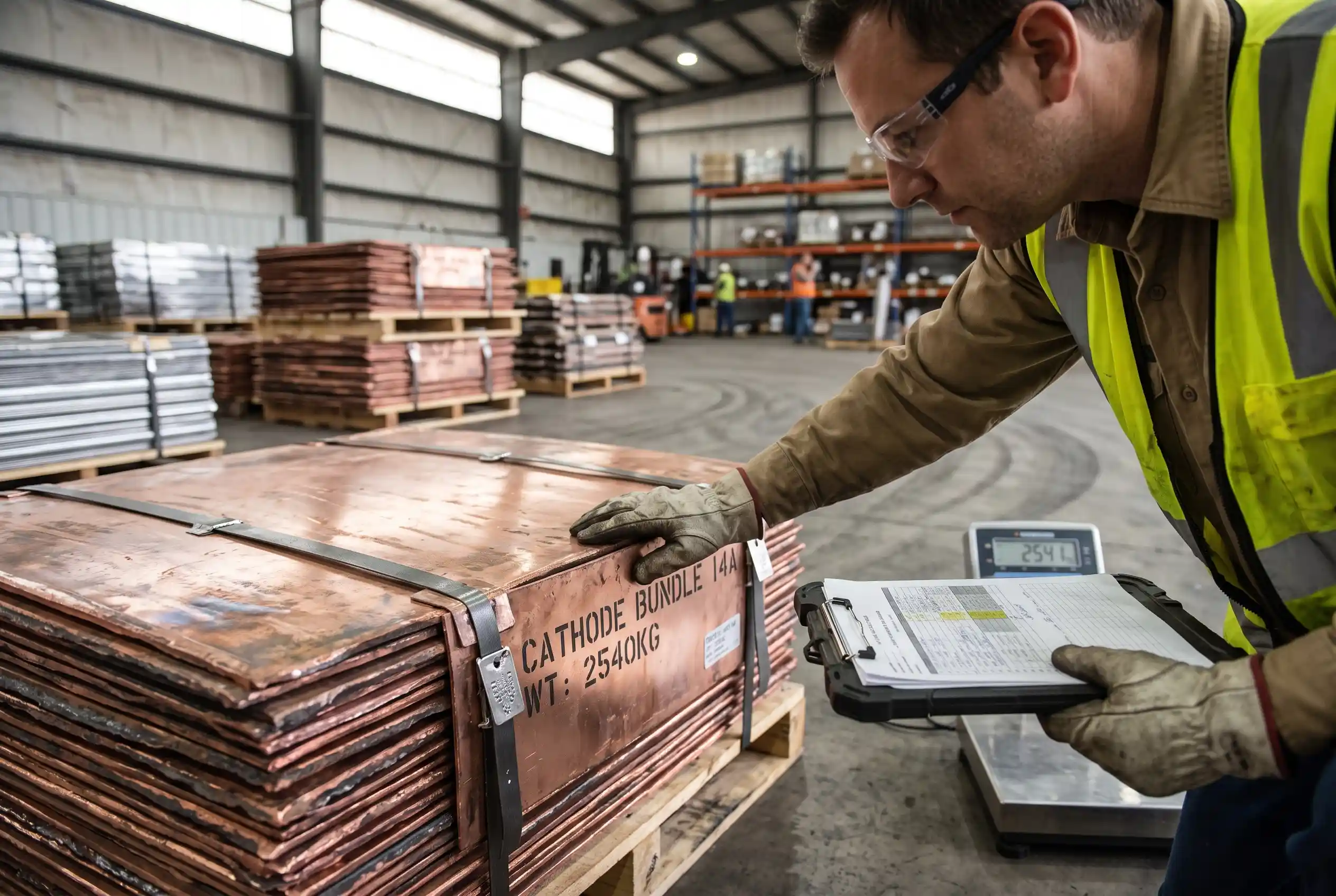
What Buyers Should Put in a Copper Cathode RFQ
A good RFQ reduces technical ambiguity before price negotiations become detailed.
A practical specification can contain the following fields:
Product: Electrolytic / Refined Copper Cathode
Standard: ASTM B115-24, BS EN 1978:2022, or another agreed reference
Grade: ASTM Grade 1, Cu-CATH-1, or the applicable designation
LME requirement: State whether this means a pricing reference, Grade A chemistry basis, or actual approved-brand/deliverability requirement
Chemical specification: Governing standard plus any additional agreed limits
Physical condition: Surface, contamination, plate condition and packing criteria
Quantity and tolerance: Contract quantity and permitted variation
Inspection: Inspector, location, timing and scope
Sampling/testing: Agreed method and referee laboratory procedure
Documents: COA, packing list, certificate of origin and other required documents
Delivery: Incoterm, named place or port and schedule
Acceptance: Acceptance, retest and rejection procedure
The purpose is not to make the RFQ unnecessarily long. It is to make the requirements measurable.
What belongs in the contract beyond the RFQ?
The contract should deal with document hierarchy and disputes.
If a seller’s product sheet, signed contract and final COA use slightly different wording, which document controls? If a third-party test differs from the producer’s COA, who performs the retest? Which result is final? Who pays for a failed or repeated inspection?
A usable quality clause should answer those questions before cargo is shipped.
Terms such as “international standard,” “premium quality” or even “LME quality” remain open to interpretation unless the technical requirement behind them is defined.
Five Common Copper Cathode Specification Mistakes
1. Treating LME Grade A, ASTM and EN as identical labels.
LME operates a contract and physical-delivery framework and refers to accepted technical standards for chemistry.
2. Leaving the standard year out.
ASTM B115-24 is active, but the LME currently references B115-10 (2021). The edition can therefore materially affect what the contract says.
3. Using 99.99% as the entire acceptance clause.
Headline purity does not define all trace-element, property, sampling or physical-condition requirements.
4. Treating a COA as the same thing as independent inspection.
The documents have different purposes, and the inspection scope must be defined.
5. Assuming LME-based pricing means LME-deliverable metal.
Using an LME quotation as a price reference does not establish approved-brand status or physical deliverability.
These distinctions are useful beyond copper. For industrial procurement across base metals, a product name alone rarely provides enough information for a defensible quality clause.
When a Technical Specification Becomes a Procurement Decision
The purpose of understanding copper cathode standards is not to memorize standard numbers. It is to know what material you are buying, which requirements apply, and how conformity will be demonstrated before acceptance.
If your requirement is for refined Cu-CATH-1 material, the Refined Copper Cathode page from Coolak International Group provides the currently declared product specification and technical analysis.
A commercial enquiry is more useful when it identifies the required grade, governing standard, volume, destination, delivery schedule and inspection expectations from the outset.
Coolak International Group was founded in 2017 on the view that many trade risks can be reduced before contract signing, when product information, counterparty verification and transaction structure are still being assessed. For copper cathode procurement, that process begins with a clear specification—not with a broad claim that a cargo is simply “Grade A.”
Need product guidance?
Contact our team for specifications, availability, and pricing details.