Copper cathode is a refined copper feedstock used across downstream manufacturing, but a B2B purchase involves more than comparing a price per metric tonne. Two offers both described as “Copper Cathode 99.99%” can differ in governing standard, grade, producer, physical condition, Certificate of Analysis, inspection scope, origin, delivery terms, and acceptance criteria.
The product is generally supplied as copper plates for further processing into wire rod, electrical conductors, tubes, sheets, and copper-based alloys. For a buyer, the practical question is therefore not only “What is copper cathode?” but also “What exactly is being offered, and what will the contract accept?”
Coolak International Group approaches the subject from that procurement perspective. This guide covers production routes, buyer-level specifications, Grade A terminology, uses, pricing structure, COA and inspection, trade documents, Incoterms, and the information needed for a workable RFQ.
Key Takeaways:
Align the technical basis of competing offers before comparing price.
Connect every COA and inspection report to the actual cargo lot or batch.
Define third-party inspection by scope rather than by inspection-company name alone.
Treat an LME price reference and LME physical deliverability as separate issues.
Agree on specification and acceptance criteria before final commercial terms are settled.
What Is Copper Cathode?
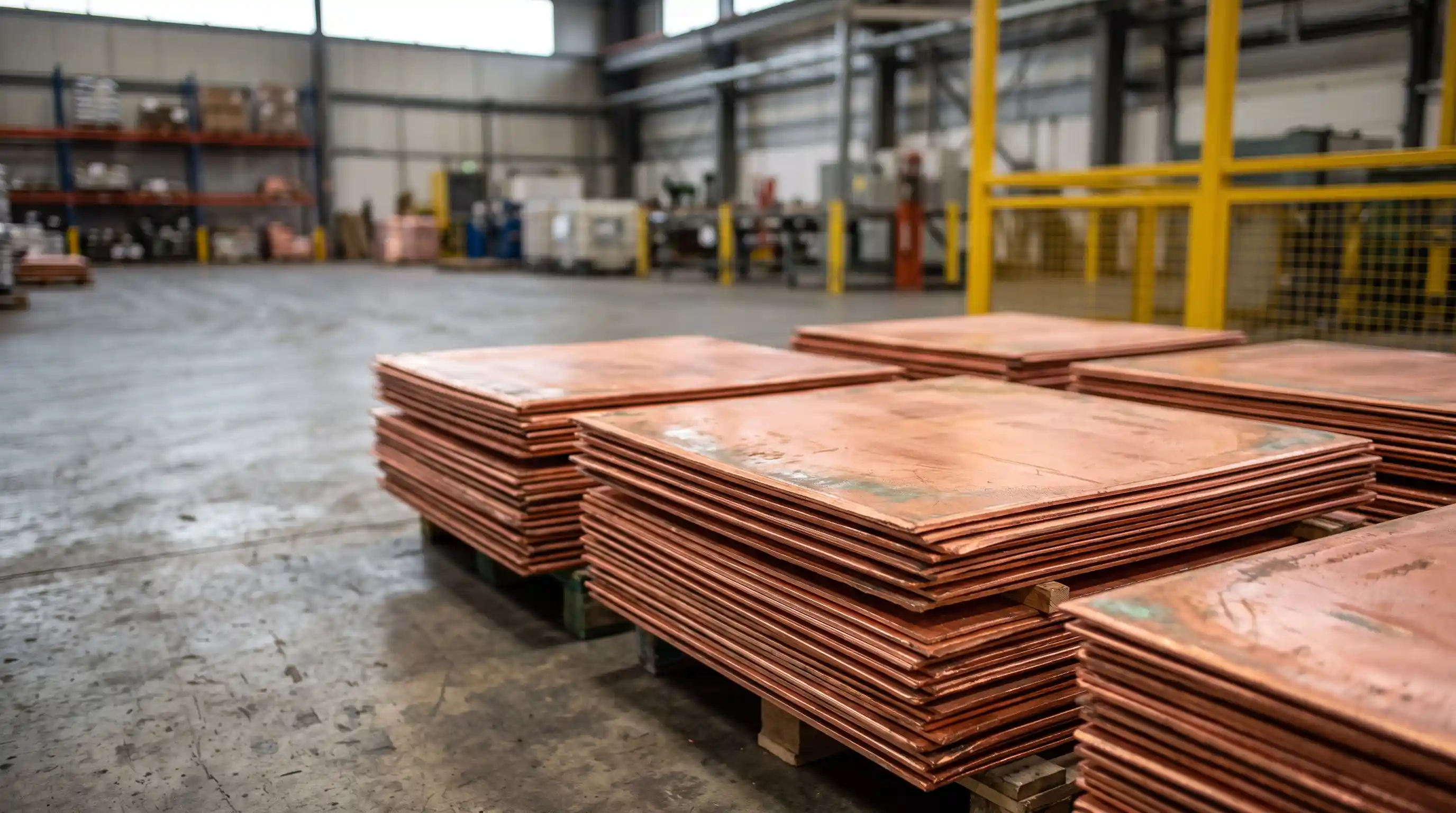
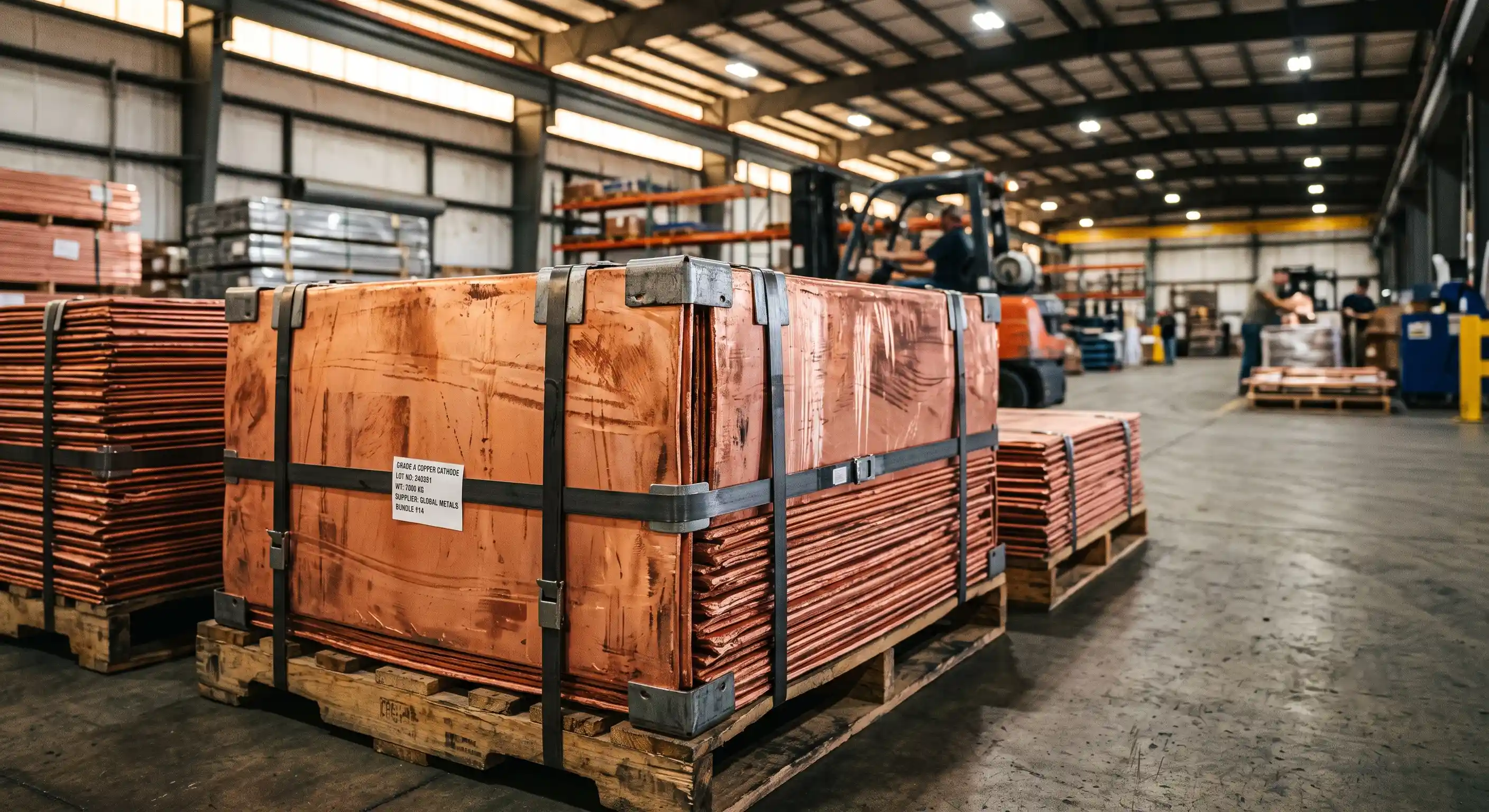
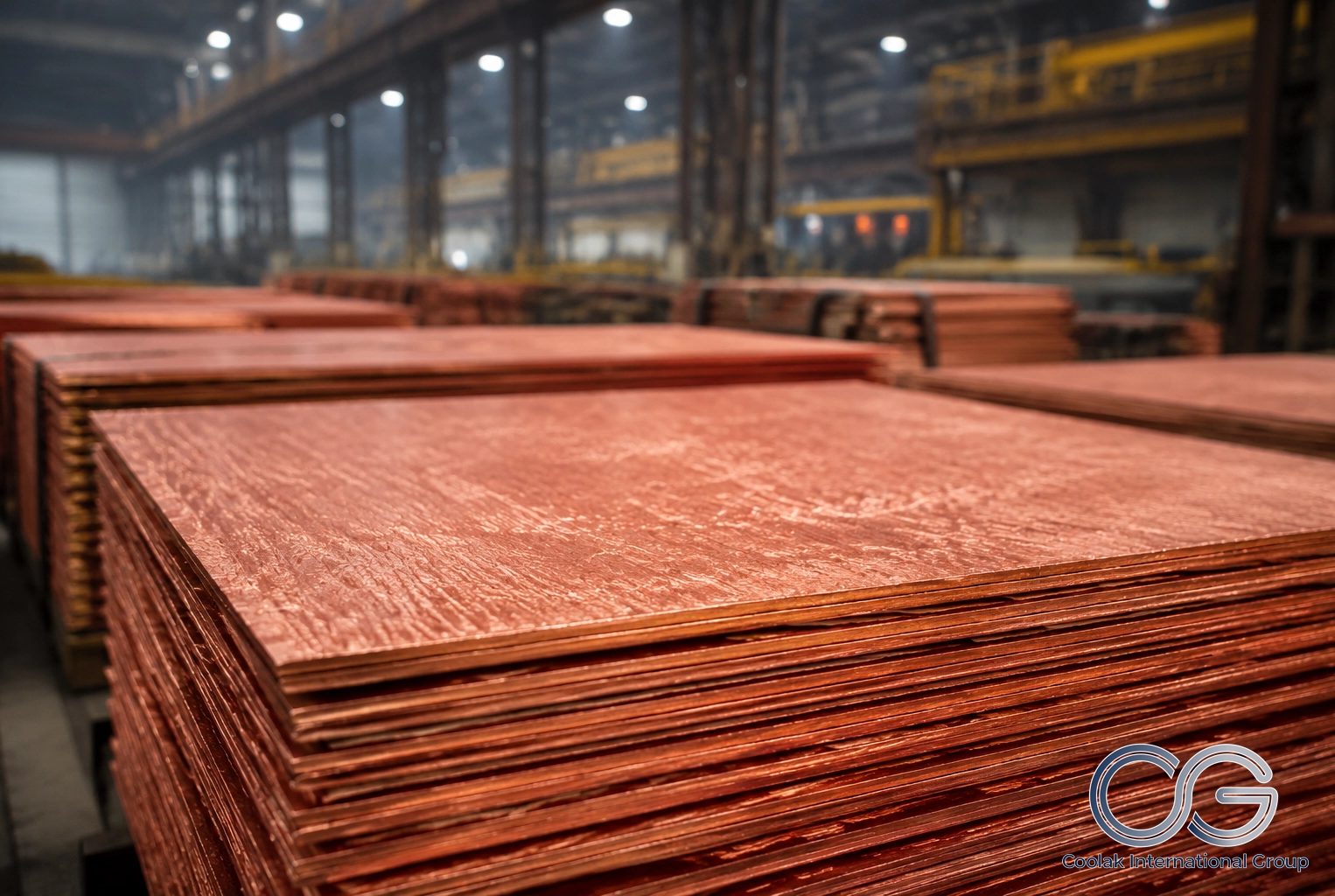
Copper cathode is a refined copper product primarily used as feedstock for downstream copper manufacturing. It is generally produced as copper plates, grouped into bundles, and supplied to plants that remelt or process the material into wire rod, wire, cable, tubes, sheets, and alloys.
Cathode is therefore not usually a final consumer product. Its industrial role is to provide a controlled copper input for the next stage of manufacturing.
Commercial documents may use descriptions such as refined copper cathode, electrolytic copper cathode, Grade A, or Cu 99.99%. These expressions do not always create the same contractual requirement.
For example, “99.99% copper” is a common market description for high-purity cathode, but it does not identify the governing technical standard, the relevant impurity limits, the producer, or whether the analysis being presented belongs to the actual cargo offered.
A procurement specification becomes more useful when the product name is connected to the governing standard, grade, producer or brand, chemical composition, physical condition, lot identity, bundle or weight data, COA, and agreed inspection criteria.
How Is Copper Cathode Produced?
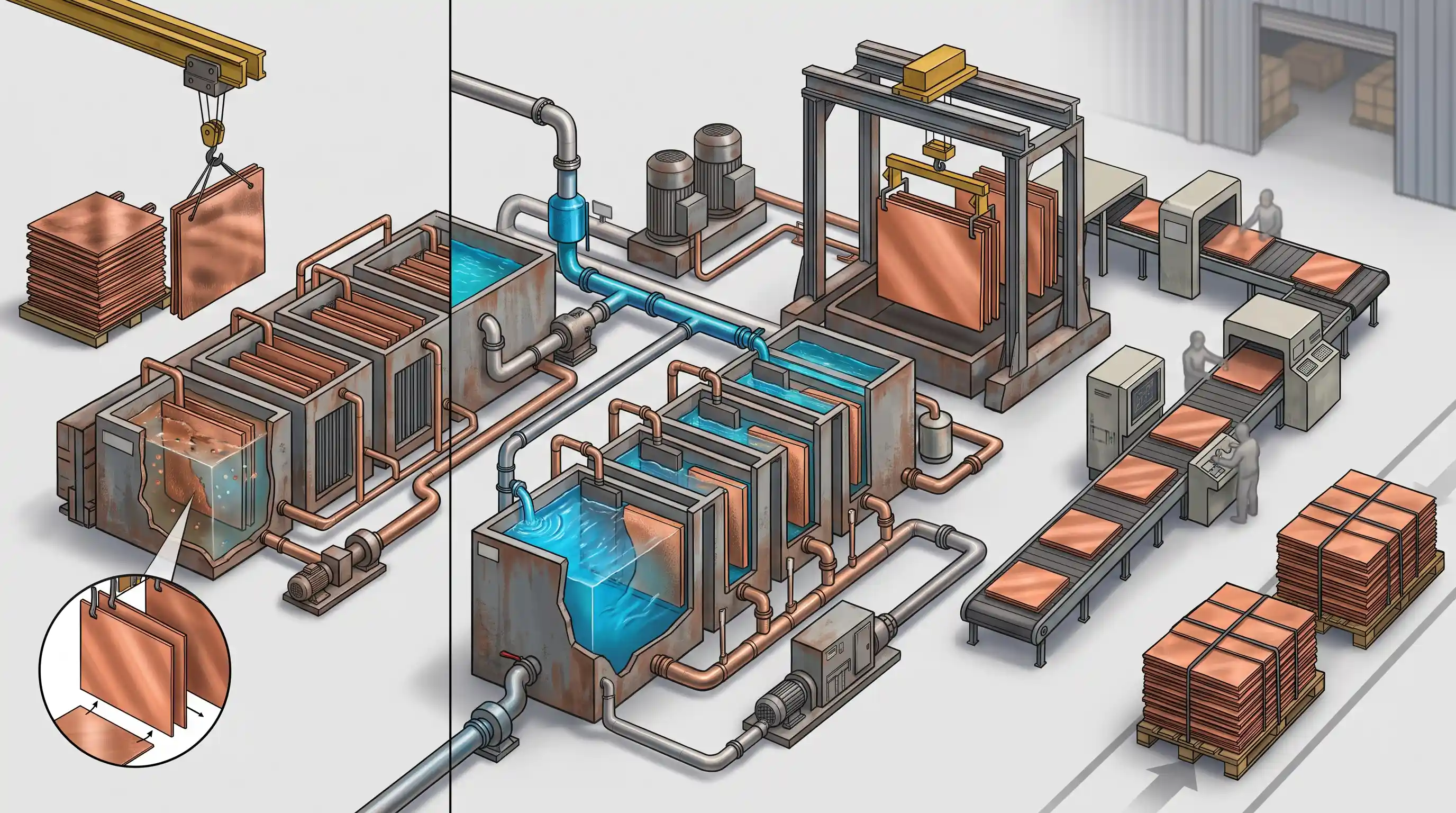
Copper cathode can be produced through two principal electrolytic routes: electrorefining and electrowinning. The main distinction is the source from which copper ions enter the electrolytic recovery process.
ASTM B115-24, the current active ASTM specification for electrolytic copper cathode, covers both electrorefined and electrowon cathode.
Electrorefining
In electrorefining, copper of lower purity is formed into anodes and placed in an electrolytic cell. Under electrical current, copper moves from the anode into the electrolyte and is then deposited as refined copper on the cathode.
A simplified sequence is:
Copper anode → Electrolyte → Copper deposition → Cathode harvesting → Testing → Packing
The process separates copper from part of the impurity content in the incoming material. After harvesting, the cathode is assessed against the required chemical and physical criteria.
Electrowinning
Electrowinning deposits copper from a purified copper-bearing solution rather than from a conventional refinery copper anode. The solution can be produced through hydrometallurgical processing followed by purification before electrolytic recovery.
The distinction is straightforward:
Electrorefining: copper is transferred from a copper anode through the electrolyte.
Electrowinning: copper is recovered from a purified copper-bearing solution.
The production route alone does not establish a particular commercial grade or market status. The harvested cathode must still meet the specification and acceptance criteria agreed for the transaction.
Which Copper Cathode Specifications Should Buyers Understand?
A B2B copper cathode specification should describe much more than headline purity. The purpose is to connect the technical requirement and supporting documentation to an identifiable cargo.
Parameter | Why It Matters |
Governing standard | Establishes the technical basis for acceptance |
Grade | Defines the required product classification |
Chemical composition | Controls relevant impurity limits |
Physical condition | Affects handling, processing, and cargo acceptance |
Producer / brand | Supports traceability and may matter for specific market requirements |
Lot identity | Connects the cargo to COA and inspection records |
Weight / bundle data | Supports quantity control and commercial settlement |
Inspection scope | Defines what an independent party is expected to verify |
Depending on the specification, physical review may include surface cleanliness, foreign material, broken or damaged plates, bundle condition, strapping, tags, and other identifiers.
Where a standard has a specific edition or year, the parties should identify the agreed version. A general statement such as “according to ASTM B115” may leave room for different interpretations where multiple editions are relevant to market or technical references.
Buyers who need a deeper comparison of standards, impurity limits, and the LME framework can refer to the dedicated article on copper cathode standards and LME Grade A requirements. This guide keeps that subject at overview level rather than duplicating the specialist standards page.
What Do Grade A and 99.99% Copper Mean?
“99.99% Cu” is a common commercial description of high-purity copper cathode, but it is not a complete technical specification by itself.
A buyer still needs to determine:
Which standard governs the cargo?
Which edition and grade apply?
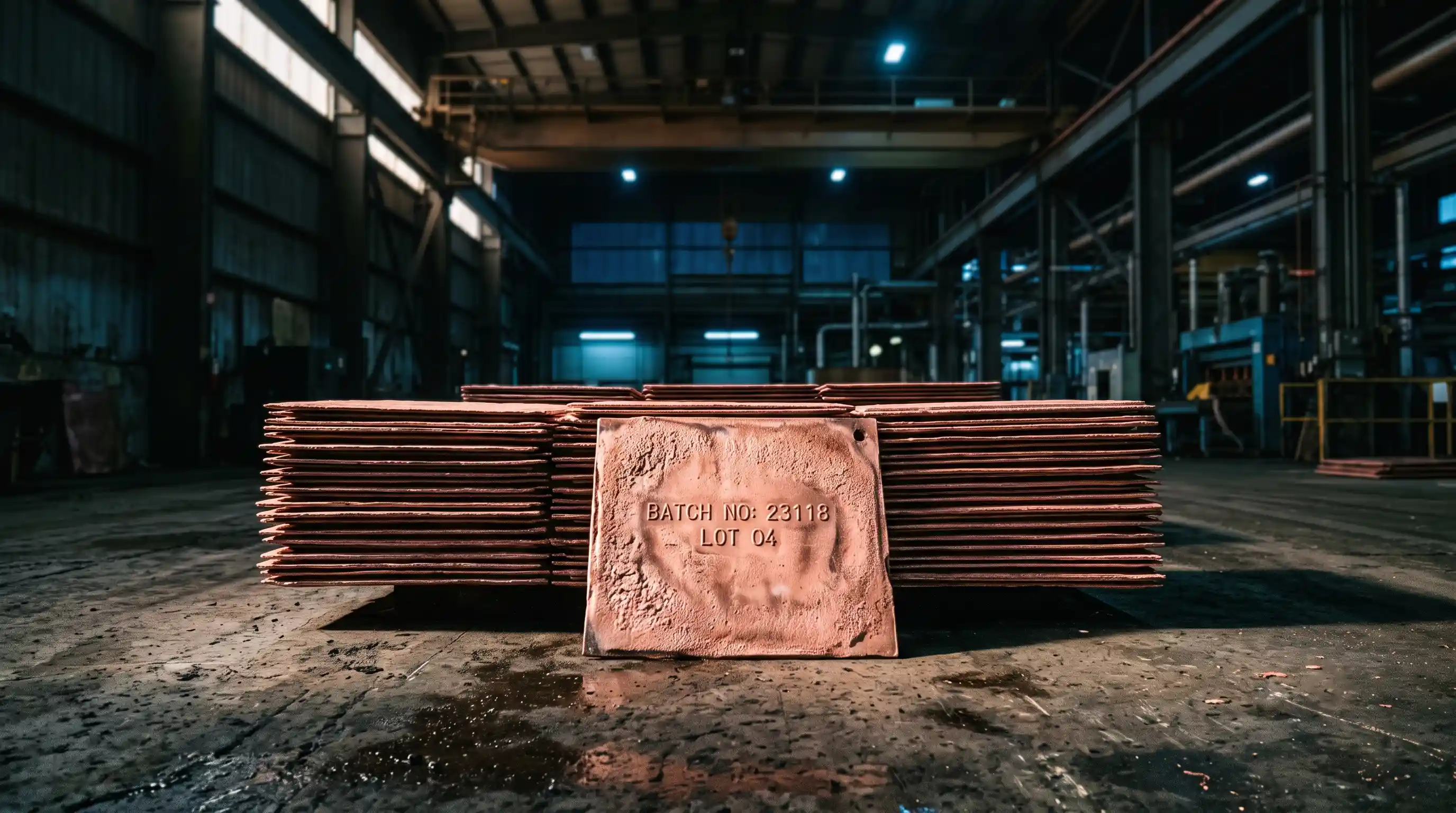
Does the COA belong to the actual lot being purchased?
Which individual impurity limits apply?
What physical-condition requirements are part of acceptance?
Is the requirement for a technical grade, or does the buyer specifically require LME-deliverable metal?
This distinction matters when the expression LME Grade A is used. The LME framework is not defined by one headline copper percentage alone. Physical delivery under LME contracts involves accepted chemistry references, cathode form, and approved-brand requirements.
A cargo may therefore conform chemically to a relevant technical specification without that fact alone proving that it is deliverable through the LME physical contract.
For grade-specific detail, including the distinction between common 99.99% terminology and other purity figures found in technical references, the article on what Grade A copper cathode actually means covers that subject in greater depth.
What Is Copper Cathode Used For?
Copper cathode is mainly an upstream input for downstream copper manufacturing. It is commonly remelted and converted into intermediate forms before becoming finished industrial products.
Wire Rod, Wire, and Cable
One of the principal downstream routes is copper wire rod production. Rod is subsequently drawn into wire and conductive products used in electrical cable manufacturing.
For a wire rod or conductor producer, consistent incoming composition and reliable identification of the cathode lot can matter throughout melting, casting, rolling, and drawing.
Electrical Products
Refined copper enters manufacturing chains for conductors, busbars, connectors, contacts, and other electrical components.
A Grade A or high-purity description should not, however, be assumed to meet every specialized copper requirement. Some downstream products require different oxygen limits, alloy chemistry, processing controls, or specialized copper grades.
Tubes, Sheets, and Semi-Finished Copper
Cathode can be remelted and cast into intermediate forms such as billet, cake, slab, or rod before further processing into tube, sheet, strip, and other semi-finished copper products.
Brass, Bronze, and Copper Alloys
Refined cathode can also serve as an input for brass, bronze, copper-nickel, and other copper-based alloys. A controlled feed composition helps the manufacturer manage final alloy chemistry.
The purchasing requirement should therefore begin with the buyer’s downstream process. A wire rod producer may not use the same acceptance criteria as an alloy producer or a manufacturer of semi-finished copper products.
How Is Copper Cathode Priced?
A copper cathode transaction commonly starts with a reference price, after which product-specific and transaction-specific adjustments determine the commercial result. LME is widely used as a copper reference, but an LME market price is not the same as a delivered quotation for a particular cargo.
A useful pricing framework is:
Reference price + premium/discount + logistics + commercial conditions
Factor | Why It Matters |
Price reference | Establishes the starting benchmark |
Grade / specification | Defines the material being priced |
Producer and origin | Affect product assessment and supply structure |
Brand | May matter for specific buyer or market requirements |
Regional premium / discount | Adjusts the benchmark to actual commercial conditions |
Quantity | Affects supply and logistics structure |
Availability | Influences timing and executable supply |
Freight | Depends on route, loading point, destination, and transport mode |
Incoterm | Affects allocation of delivery costs and risks |
Destination | Changes freight and import-related requirements |
Payment structure | Affects transaction risk and financing |
Inspection requirements | Add scope, cost, and sometimes time |
An evergreen article should therefore not present a single number as the current price of copper cathode. A usable quotation must relate to a defined cargo, quantity, origin, destination, delivery term, timing, and transaction structure.
When a purchasing requirement has moved beyond general research, the refined copper cathode product page is the more appropriate place to review current product information and any active offers, if listed. Commercial terms should always be rechecked at the time of enquiry.
What Should a Buyer Verify Before Purchasing Copper Cathode?
A buyer should define the purchasing requirement before comparing offers. This creates a common basis for technical and commercial evaluation.
Copper Cathode Buyer Checklist:
Exact product description
Governing standard
Standard edition or year
Required grade
Producer and brand, where relevant
Required quantity
Acceptable or expected origin
Required COA
Lot, batch, or bundle identification
Acceptable physical condition
Inspection scope
Sampling and testing method, where required
Incoterm
Named place or port
Destination
Delivery schedule
Payment structure
Required documents
Quantity or weight tolerance, where applicable
Acceptance, retest, and rejection criteria
Before Requesting a Quotation
At minimum, a useful enquiry can include:
Product + Specification + Grade + Quantity + Destination + Incoterm + Inspection Requirement
A request that states only “Copper Cathode, 5,000 MT” leaves several technical and commercial variables unresolved. Adding the required specification, destination, Incoterm, and inspection expectation makes supplier quotations easier to compare and evaluate.
What Is the Difference Between a COA and Independent Inspection?
A producer COA and an independent inspection report serve different purposes. Neither should automatically be treated as a substitute for the other.
Producer Certificate of Analysis
A Certificate of Analysis can provide chemical-analysis results for a product or production lot and may include the grade, lot or batch identification, and individual test results.
The buyer should check whether:
the COA relates to the actual cargo lot;
the grade and standard match the contract;
the producer or sample identification is clear;
the parameters required by the specification are covered.
The presence of a certificate alone does not establish that it belongs to the material being purchased.
Independent Inspection
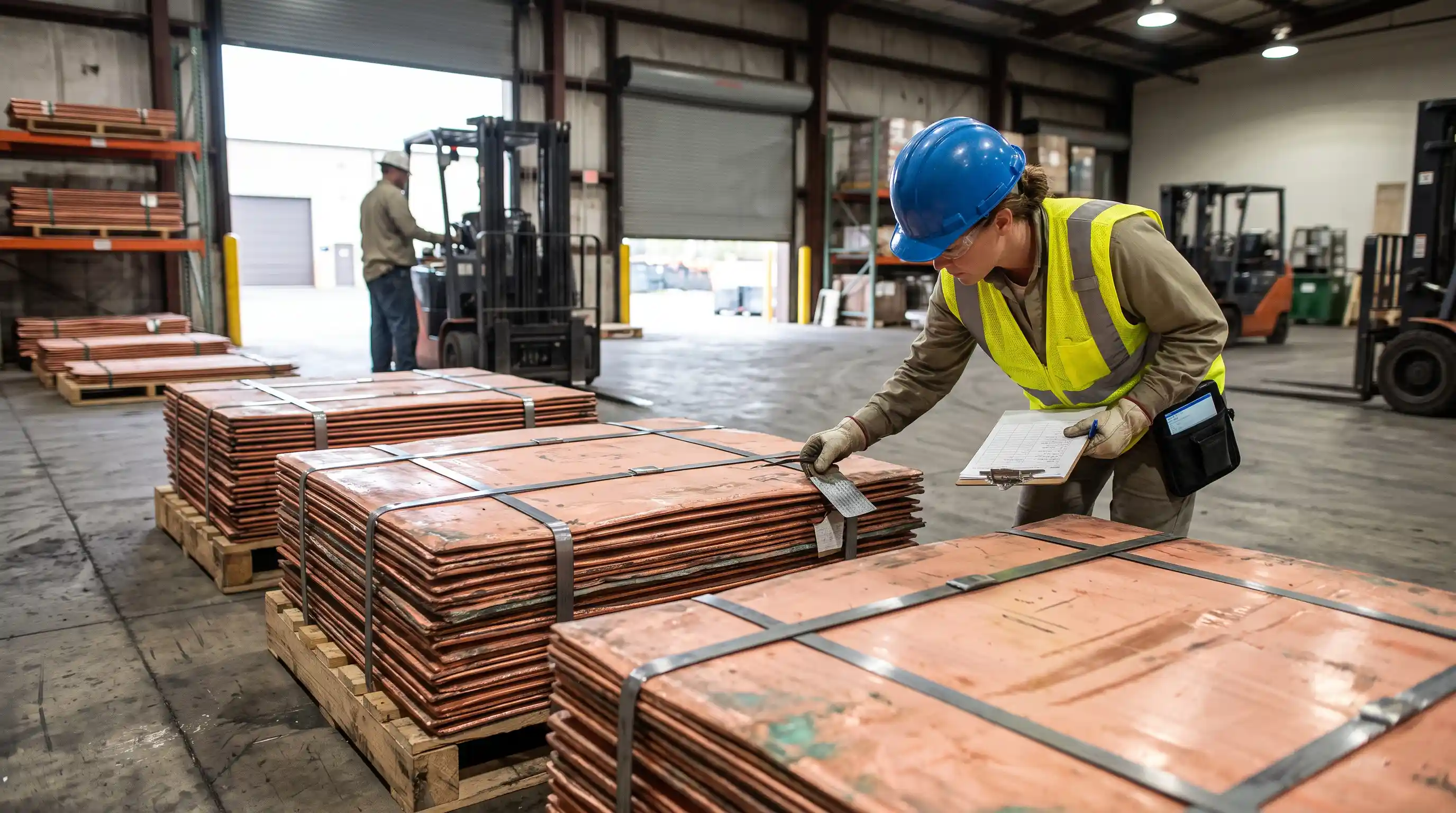
An independent inspector verifies only the items included in the agreed inspection scope.
Depending on the transaction, the scope may cover:
visual condition;
quantity or weight;
packing and marking;
document verification;
loading supervision;
sampling;
chemical testing.
Naming SGS, Cotecna, or another inspection company does not by itself mean that independent chemical analysis is included. If chemical verification is required, the contract should define sampling, laboratory testing, timing, location, and acceptance criteria.
Inspection at origin, destination, or both is also transaction-specific rather than a universal requirement.
Which Documents Are Commonly Used in Copper Cathode Trade?
There is no single document package that applies to every copper cathode transaction. Depending on the agreed transaction and destination, documentation may include:
Commercial Invoice
Packing List
Certificate of Origin
Producer COA
Inspection Certificate or Inspection Report
Weight Certificate
Bill of Lading or another applicable shipping document
Insurance document where applicable
Contract or Purchase Order
Destination-specific customs or regulatory documents
Consistency among these documents matters as much as the number of certificates collected. Product description, quantity, lot or bundle references, origin, parties, and shipping information should allow the cargo to be identified without avoidable conflicts.
Where an inspection certificate is required, the contract should state what it is expected to certify. One inspection may cover weight and visual condition, while another may include sampling and independent laboratory analysis.

How Do Incoterms, Logistics, and Payment Structure Fit Together?
Incoterms rules become contractually relevant when the parties incorporate a selected rule into their agreement. FOB, CFR, CIF, and EXW are examples that may be used depending on the delivery structure.
The chosen rule should be stated with the relevant named place or named port. Writing only “FOB” or “CIF” can leave an important part of the delivery agreement undefined.
An Incoterm does not replace clauses covering product quality, title to goods, payment, inspection, acceptance, or dispute resolution. Those issues require their own contractual treatment.
Payment structure is also transaction-specific. Documentary letters of credit are one possible instrument, but no single method can be described as the safest or most appropriate for every copper cathode purchase.
Counterparty risk, banking access, jurisdictions, documentary requirements, shipment structure, and the commercial relationship all influence the choice of payment mechanism.

How Should a B2B Copper Cathode Sourcing Process Work?
A structured sourcing process starts with the requirement rather than with an isolated price quote.
Requirement → Specification → Supplier/Producer Review → Document Review → Commercial Offer → Inspection Terms → Contract → Shipment → Acceptance
The buyer first defines the product, quantity, and destination. The specification then establishes the technical basis for comparison. Supplier or producer information, the COA, and available documents can be reviewed before final pricing, freight, payment, and delivery discussions.
For higher-value transactions, counterparty review is part of the same decision process. A technically attractive offer has commercial value only when the party behind it can perform the agreed supply, documentation, and contractual obligations.
This sequence also avoids a common procurement problem: spending substantial time negotiating price before the parties have confirmed that they are discussing the same grade, standard, inspection scope, and delivery requirement.
Reviewing a Copper Cathode Requirement with Coolak International Group
Coolak International Group has operated since 2017 with a focus on Strategic Sourcing, Market Development, Commercial Advisory Services, and transaction structuring. For a copper cathode requirement, the initial review can focus on the specification, quantity, destination, documentation, inspection expectations, and proposed commercial structure before an offer is treated as ready for contractual review.
If the requirement falls within the current product scope, buyers can review the refined copper cathode product information and any active offers.
To move from general research to a specific sourcing enquiry, provide the required standard or grade, quantity, destination, preferred Incoterm, and inspection requirements through the Coolak International Group Trade & Supply Requests page. This gives the commercial review a defined starting point rather than a general request for the “best price.”
Need product guidance?
Contact our team for specifications, availability, and pricing details.