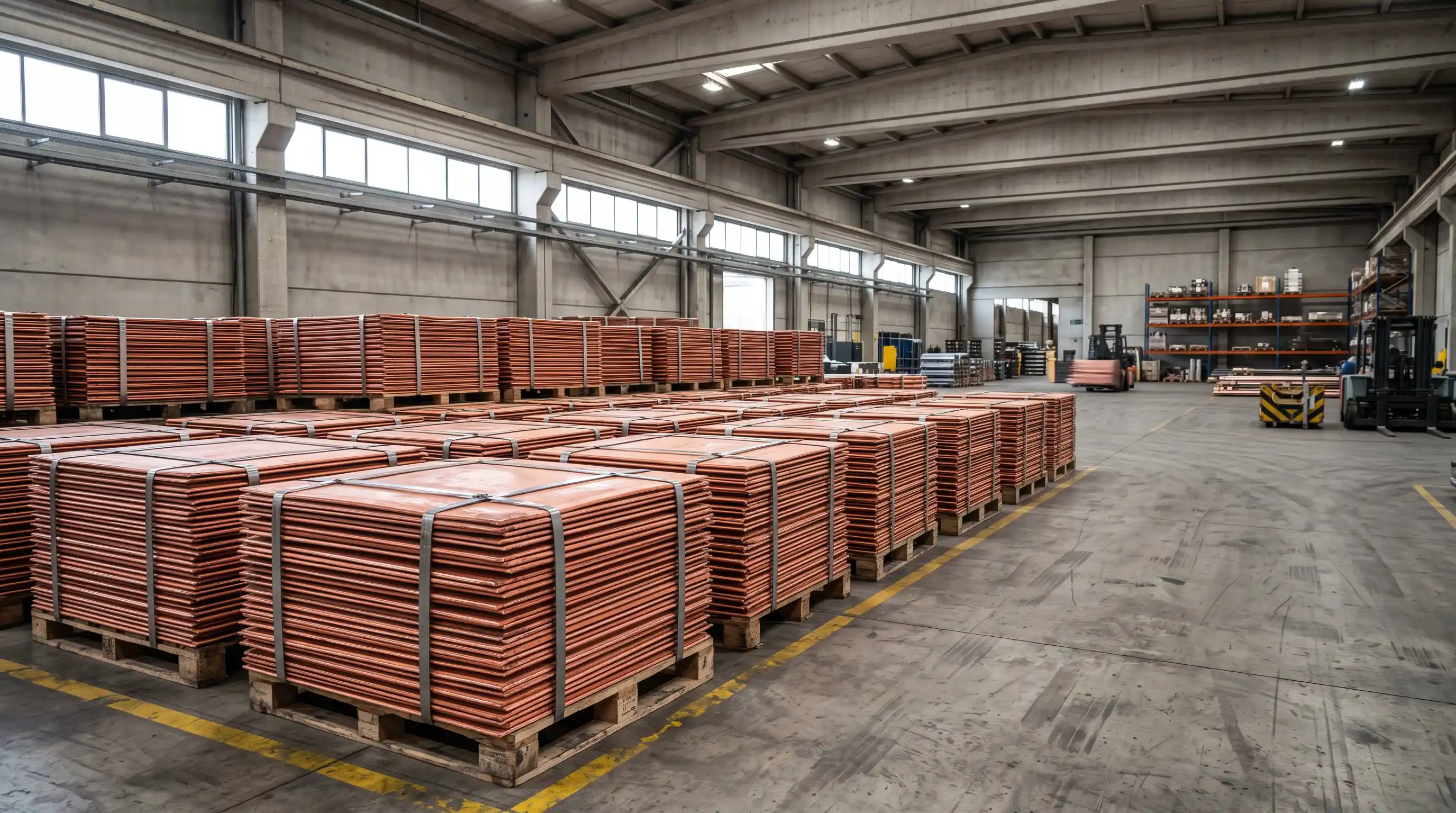
LME Grade A copper cathode is a high-purity refined copper product used as feedstock for electrical conductors and other downstream copper products. In international trade, however, a headline claim such as “99.99% Cu” alone does not establish LME deliverability. The current London Metal Exchange Copper specification requires Grade A copper to conform to the chemical composition of specified technical standards, and copper delivered against LME contracts must also be an LME-approved brand. Chemical conformity and LME deliverability are therefore related, but they are not the same test.
That distinction matters before a buyer signs a contract, approves a COA, or accepts wording such as “LME Grade A.” Coolak International Group approaches copper procurement from the same decision-first perspective: define exactly what is being purchased, how conformity will be demonstrated, and which commercial conditions apply before contractual commitment. This guide explains the definition, purity question, uses, production route, and buyer checks without duplicating the detailed standards comparison covered elsewhere.
Key Takeaways:
Write the exact standard, edition, and grade into the RFQ or contract instead of relying only on “Grade A” or “99.99% Cu.”
Treat 99.9935% as a calculation derived from a published impurity total, not as a standalone LME minimum-copper statement.
If actual LME deliverability is required, confirm approved-brand status separately from chemistry.
Match the COA, lot identity, inspection scope, physical condition, Incoterm, quantity, destination, and acceptance criteria before shipment.
What Is Grade A Copper Cathode?
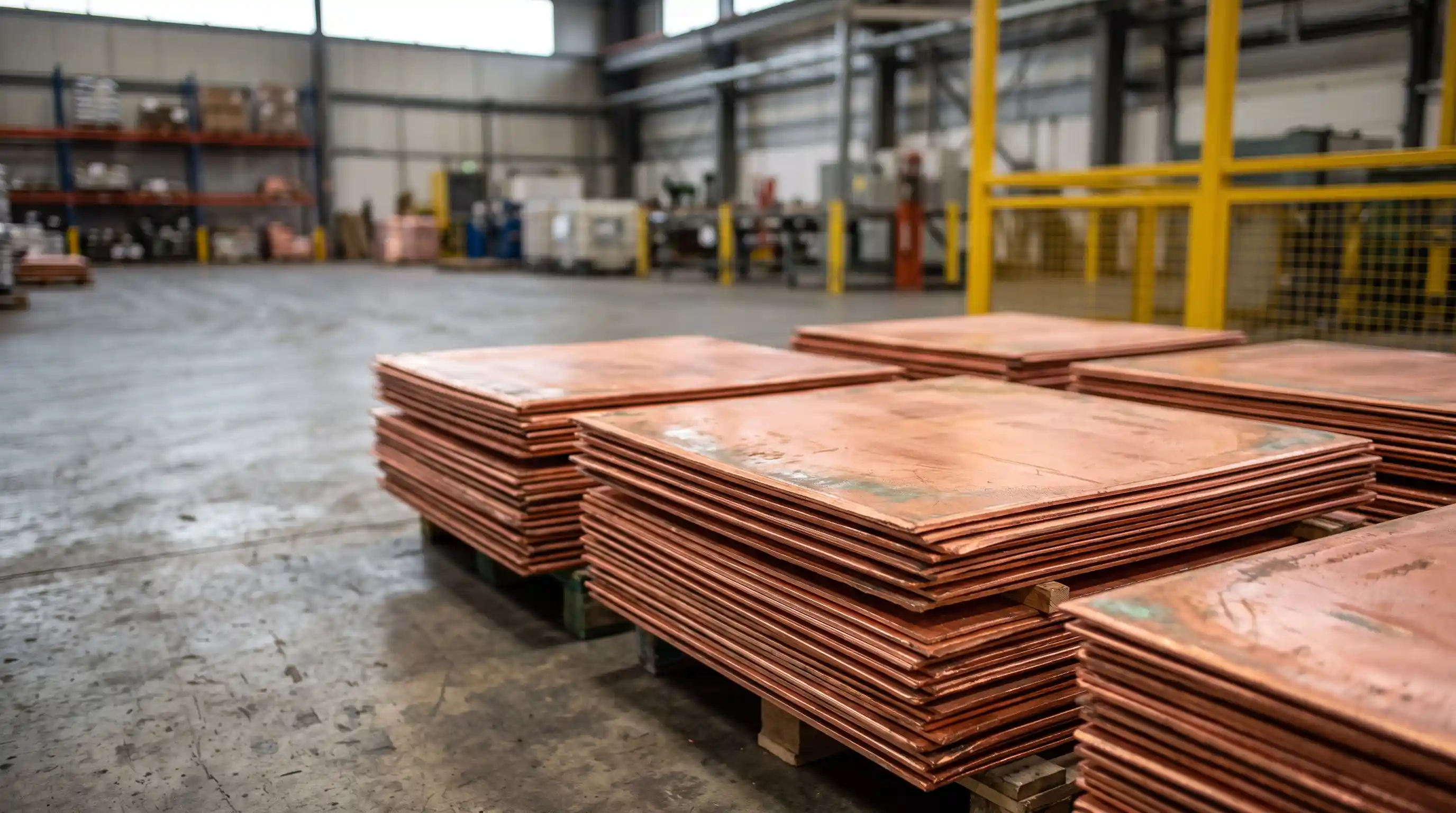
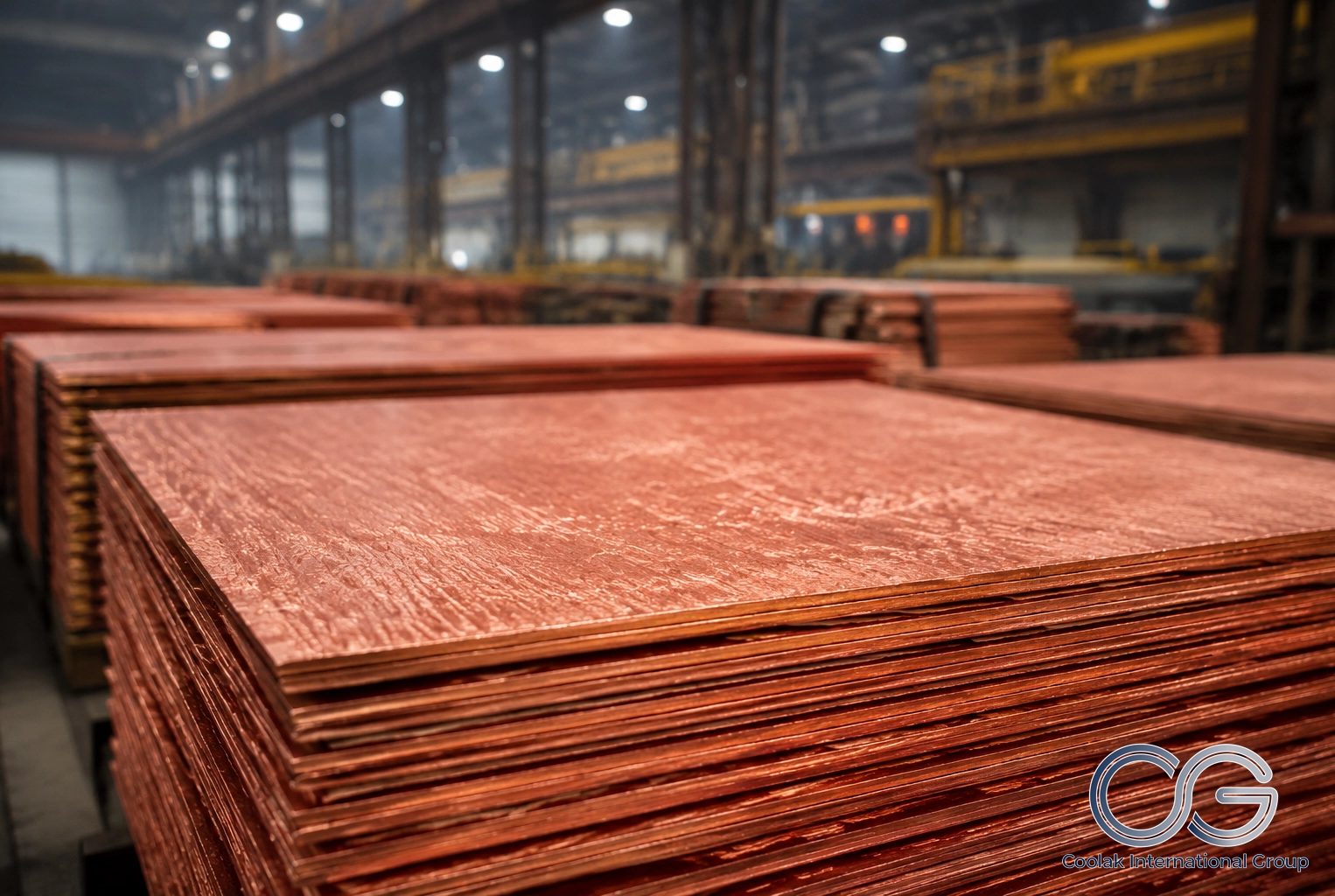
Grade A copper cathode is a high-purity refined copper cathode intended for further processing into products such as wire rod, conductors, tubes, sheets, and copper-based alloys. In the LME context, “Grade A” has a defined connection to the exchange’s Copper contract rather than functioning as a free-standing marketing description.
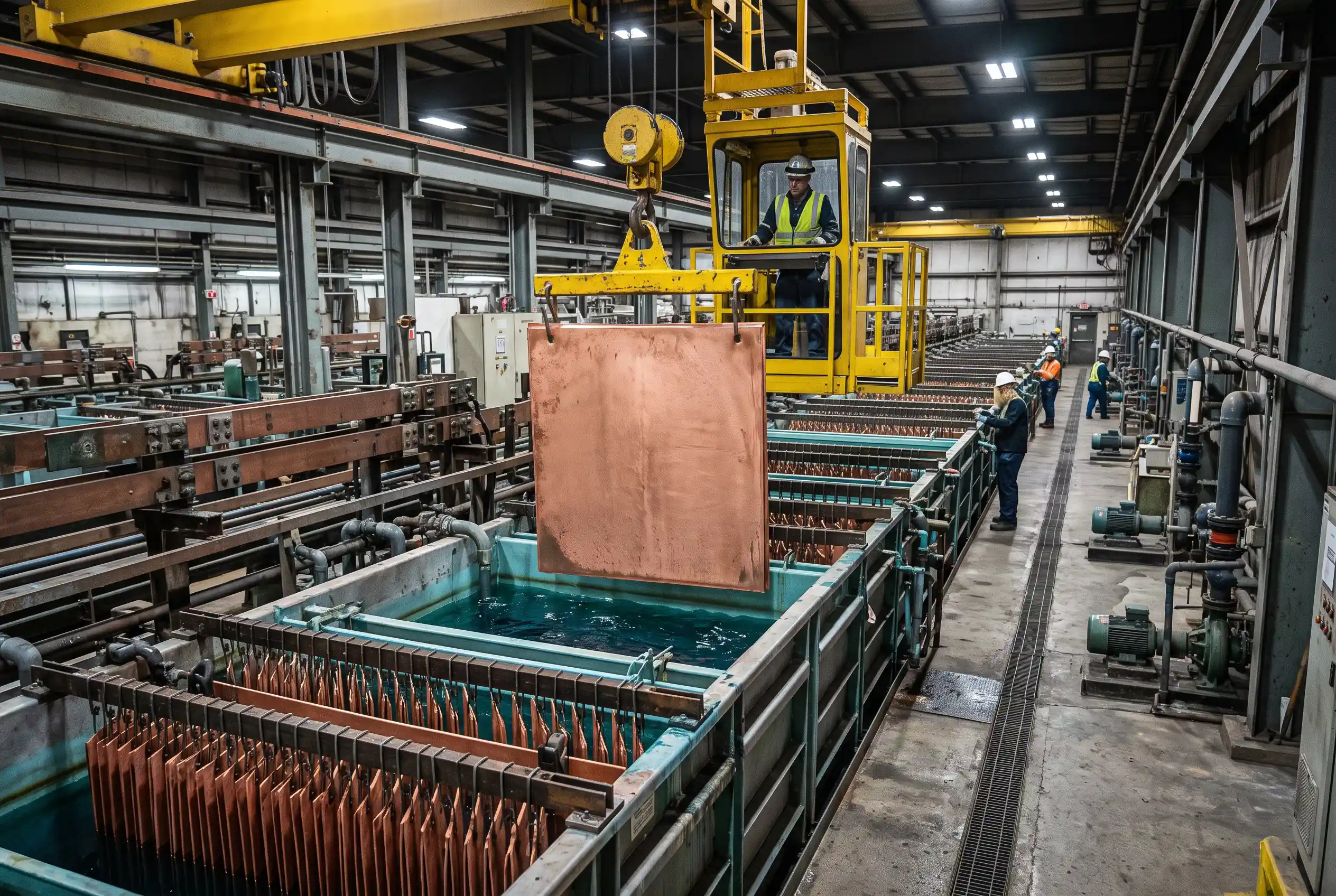
A cathode is the plated copper product produced during electrolytic refining or electrowinning. ASTM B115-24, the current active ASTM specification for electrolytic copper cathode, expressly covers both electrorefined and electrowon cathode.
In an electrorefining route, copper from an impure anode is transferred through an electrolyte and deposited as higher-purity copper at the cathode. Electrowinning deposits copper from a purified copper-bearing solution rather than from a conventional refinery anode. In either case, the cathode is an intermediate industrial raw material rather than the final wire, tube, sheet, or fabricated component.
For a broader explanation of cathode production, specifications, pricing context, downstream applications, and international trade, see the Complete Copper Cathode Guide. The current live guide and Grade A page are separate content assets, so this article focuses specifically on what the Grade A designation means and what a buyer should verify.
What Does “LME Grade A” Actually Mean?
LME Grade A means that copper supplied under the LME Copper contract must meet the exchange’s specified quality framework, including accepted chemical-composition references, cathode form, and approved-brand status.
The current LME Copper specification recognizes the chemical composition of three references for Grade A copper:
BS EN 1978:2022 — Cu-CATH-1
GB/T 467-2010 — Cu-CATH-1
ASTM B115-10 (2021) — Cathode Grade 1
The LME separately requires copper deliverable against its contracts to be from an LME-approved brand. Its Special Contract Rules also describe the material as refined electrolytic copper in full-plate cathode form.
This creates a practical distinction for procurement teams. A cargo can have chemistry that resembles or conforms to one of the technical grades referenced by LME without automatically becoming deliverable metal under the LME physical contract. Approved-brand status is a separate requirement.
The wording in an RFQ should therefore reflect the buyer’s actual need. If the objective is chemical conformity to Cu-CATH-1, state the relevant standard, edition, and grade. If the contract genuinely requires LME-deliverable copper, that requirement should be stated separately and the applicable approved-brand status should be checked.
For the detailed relationship among LME, ASTM, EN editions, impurity limits, and specification drafting, see copper cathode standards and LME Grade A requirements. The current Standards article intentionally owns the deeper standards-comparison intent.
Is Grade A Copper 99.99% or 99.9935% Pure?
The safest answer is that 99.99% is common commercial shorthand, while 99.9935% is a calculation that needs context.
Sellers and product sheets often describe high-purity copper cathode as “99.99% Cu.” That number is useful as an initial screening description, but it should not replace the actual governing chemistry table.
The LME’s published chemical-composition table for BS EN 1978:2022 Cu-CATH-1 does not place a separate minimum value beside Cu. Instead, it specifies individual or grouped limits for listed elements and gives 0.0065% as the maximum sum of the elements listed in that table other than Cu.
The arithmetic is:
100.0000% − 0.0065% = 99.9935%
That calculation explains why search queries and commercial discussions sometimes refer to “LME Grade A copper cathode purity 99.9935%.” It should not be rewritten as though LME publishes a separate line stating “minimum Cu = 99.9935%.” In the public LME Cu-CATH-1 table, the Cu field itself is shown with a dash while the specified impurity total is 0.0065%.
The LME table reproducing ASTM B115-10 (2021) Cathode Grade 1 likewise lists a maximum allowable total of 0.0065% for the specified elements.
For a buyer, the practical rule is simple: read the COA element by element instead of accepting only a headline purity percentage.
Grade A Copper Cathode Chemical and Physical Quality
A complete Grade A assessment considers impurity control and physical condition; a single Cu percentage does not constitute a complete specification.
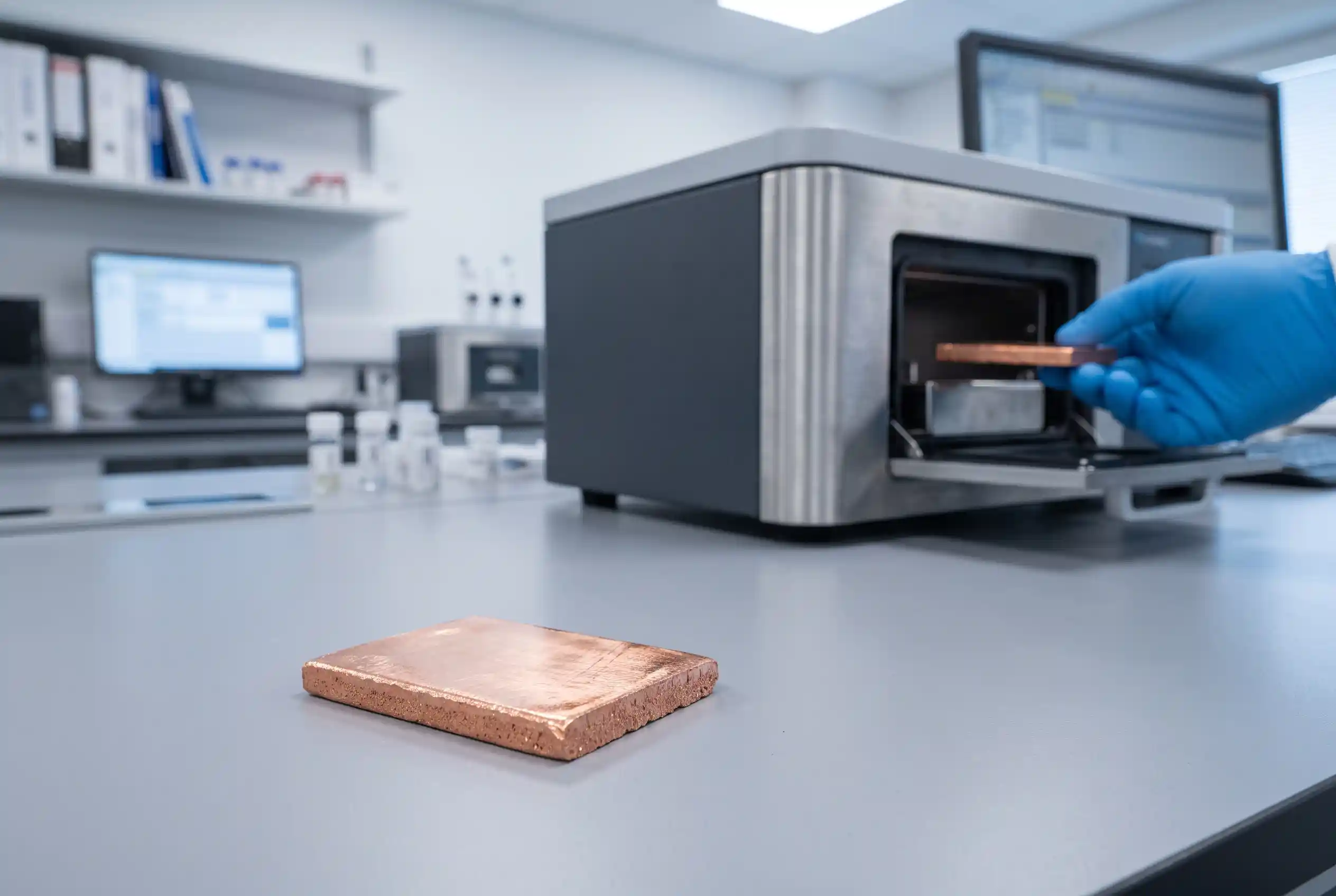
Chemical assessment may involve elements such as silver (Ag), arsenic (As), bismuth (Bi), antimony (Sb), lead (Pb), iron (Fe), nickel (Ni), sulfur (S), selenium (Se), and tellurium (Te). The applicable limits depend on the governing technical reference and edition. The public LME composition document demonstrates why buyers should inspect both individual limits and grouped or total impurity requirements rather than merge numbers from different standards.
Physical quality also matters. ASTM B115-24 states that cathodes supplied to the specification must withstand ordinary handling without breakage or excessive separation of nodules and should be substantially free from foreign material such as copper sulfate, dirt, grease, and oil.
A practical cargo review can therefore consider:
surface cleanliness and visible contamination;
excessive or unstable nodules;
broken, damaged, or poorly handled plates;
bundle and strapping condition;
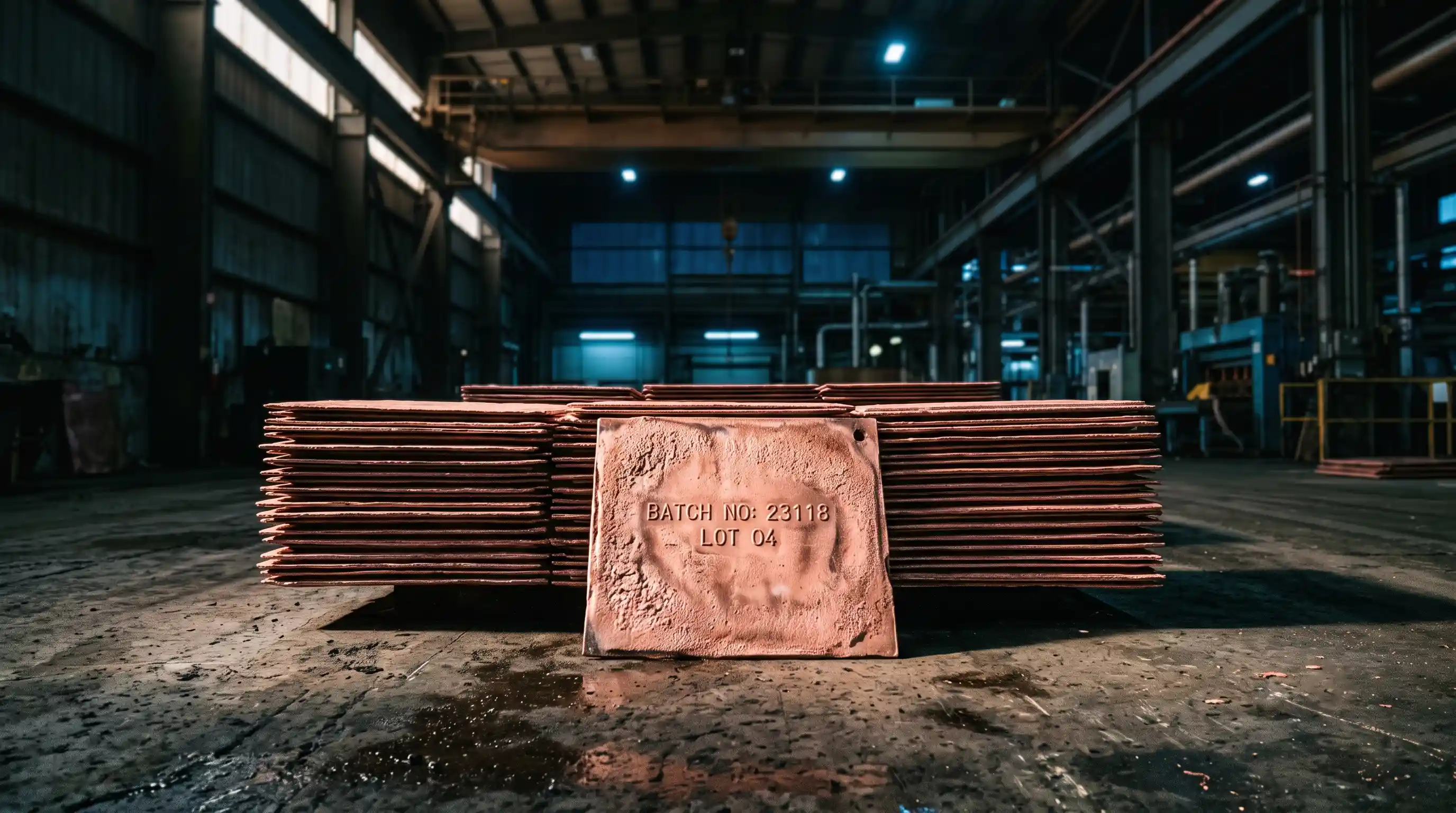
markings, tags, or other lot-identification controls;
consistency between physical cargo and documentary references.
The acceptance standard should come from the agreed specification and inspection scope. A buyer should not create a hybrid specification by taking impurity limits from one edition, physical wording from another, and a seller’s headline purity from a third document.
A headline Cu percentage alone does not constitute a complete Grade A specification.
Grade A Copper Cathode vs ASTM B115 Grade 1
ASTM B115 Grade 1 and LME Grade A are related, but they should not be described as automatically identical.
ASTM B115 is a technical product specification for electrolytic copper cathode. ASTM currently lists B115-24 as the active edition and states that it covers both electrorefined and electrowon cathode.
The current LME Copper specification, however, still names ASTM B115-10 (2021), Cathode Grade 1 as one of its accepted chemical-composition references for Grade A copper.
That difference in role and edition matters in contract drafting. Conformity with an ASTM Grade 1 requirement can establish a technical product basis, but it does not by itself establish every condition required for LME physical delivery. LME-approved-brand status remains a separate condition.
The same logic applies to Cu-CATH-1 under BS EN 1978:2022. BSI states that the standard specifies composition and property requirements for Cu-CATH-1 and Cu-CATH-2 cathodes. The LME then references Cu-CATH-1 as one accepted chemistry basis for its Grade A contract.
Buyers who need edition-level comparisons, impurity interpretation, or RFQ wording should use the dedicated Copper Cathode Standards guide.
How Is Grade A Copper Cathode Produced?
Grade A cathode is produced through electrolytic copper recovery followed by chemical and physical quality control.
For an electrorefining route, the production chain commonly involves copper-bearing feed, smelting and fire refining where applicable, anode casting, electrolytic refining, cathode harvesting, and analytical testing. Copper transfers from the refinery anode through the electrolyte and deposits onto the cathode.
An electrowinning route differs because copper is recovered electrolytically from a purified copper-bearing solution rather than from a cast copper anode. ASTM B115-24 covers electrolytic cathode produced by both electrorefining and electrowinning.
After harvesting, quality assessment establishes whether the material conforms to the agreed grade or specification. For B2B purchasing, the production method alone is not evidence of Grade A conformity. The buyer still needs the agreed specification, lot-specific analytical documentation, and any required inspection evidence.
What Are the Main Uses of Grade A Copper Cathode?
Grade A cathode serves primarily as high-purity feedstock for downstream copper manufacturing where controlled composition and consistent processing behavior are required.
Electrical Wire and Cable
One of the main downstream routes is the production of copper wire rod, which is subsequently drawn into conductors for electrical wire and cable.
Cathode quality matters because the downstream producer needs a controlled raw-material composition for melting, casting, rolling, and drawing operations. Buyers supplying cable or conductor plants should therefore match the cathode specification to the mill’s own raw-material acceptance criteria rather than purchasing on purity wording alone.
Electrical and Electronic Manufacturing
Refined copper also feeds manufacturing chains for electrical contacts, connectors, busbars, components, and other products where copper’s electrical and thermal properties are commercially useful.
Grade A cathode should not, however, be described as automatically equivalent to every specialized high-purity copper required for semiconductor or advanced electronic fabrication. Some applications use separate copper grades, processing routes, or oxygen-control requirements.
Copper Tubes, Sheets and Other Semi-Finished Products
Cathode can be remelted and converted into billets, cakes, slabs, rod, or other intermediate forms that are subsequently processed into tube, sheet, strip, and fabricated copper products.
The cathode is therefore an upstream material in a much longer manufacturing chain. The downstream processor’s technical requirements should determine the relevant chemical and physical acceptance criteria.
Alloy and Industrial Manufacturing
Refined cathode can also serve as copper input for brass, bronze, copper-nickel, and other alloy-production routes. Controlled feed chemistry helps the producer manage the final alloy composition without introducing unnecessary or poorly characterized impurities.
For additional product-level context, Coolak’s live site maintains an Electrolytic Copper Cathode category as well as its broader base-metals product structure.
What Should B2B Buyers Verify Before Purchasing Grade A Copper Cathode?
A B2B buyer should verify the specification, producer or brand, lot-specific quality documents, physical cargo, inspection method, and commercial terms before treating a cargo as acceptable Grade A copper cathode.
Define the Requirement Before Comparing Offers
The RFQ should identify more than a product name. A workable buyer specification should address:
exact standard;
standard edition or year;
grade designation;
producer or manufacturer;
brand;
required COA;
chemical-analysis parameters;
physical-condition requirements;
bundle, batch, or lot identification;
weight and quantity basis;
packing and marking;
origin documentation where required;
inspection location, timing, and scope;
independent inspection when contractually agreed;
quantity and permitted tolerance;
Incoterm and named place or port;
destination;
payment structure;
acceptance, retest, or rejection procedure.
These fields reduce the risk of comparing two commercial offers that use the same “Grade A” label for different technical or contractual requirements.
Separate Product Conformity From Exchange Deliverability
The buyer should first establish which technical reference governs the cargo and then determine whether any additional exchange-delivery requirement applies.
When LME Deliverability Is Actually Required
If the contract calls for copper that must be deliverable against the LME physical contract, chemistry alone is insufficient. The current LME specification separately requires an LME-approved brand.
Buyer Control Question
Ask the seller to state clearly whether the offer means technical conformity to an accepted Grade A chemistry reference or actual LME-deliverable metal from an approved brand. Put the agreed meaning into the RFQ or contract rather than leaving “LME Grade A” undefined.
Cross-Check Cargo Identity With the Documents
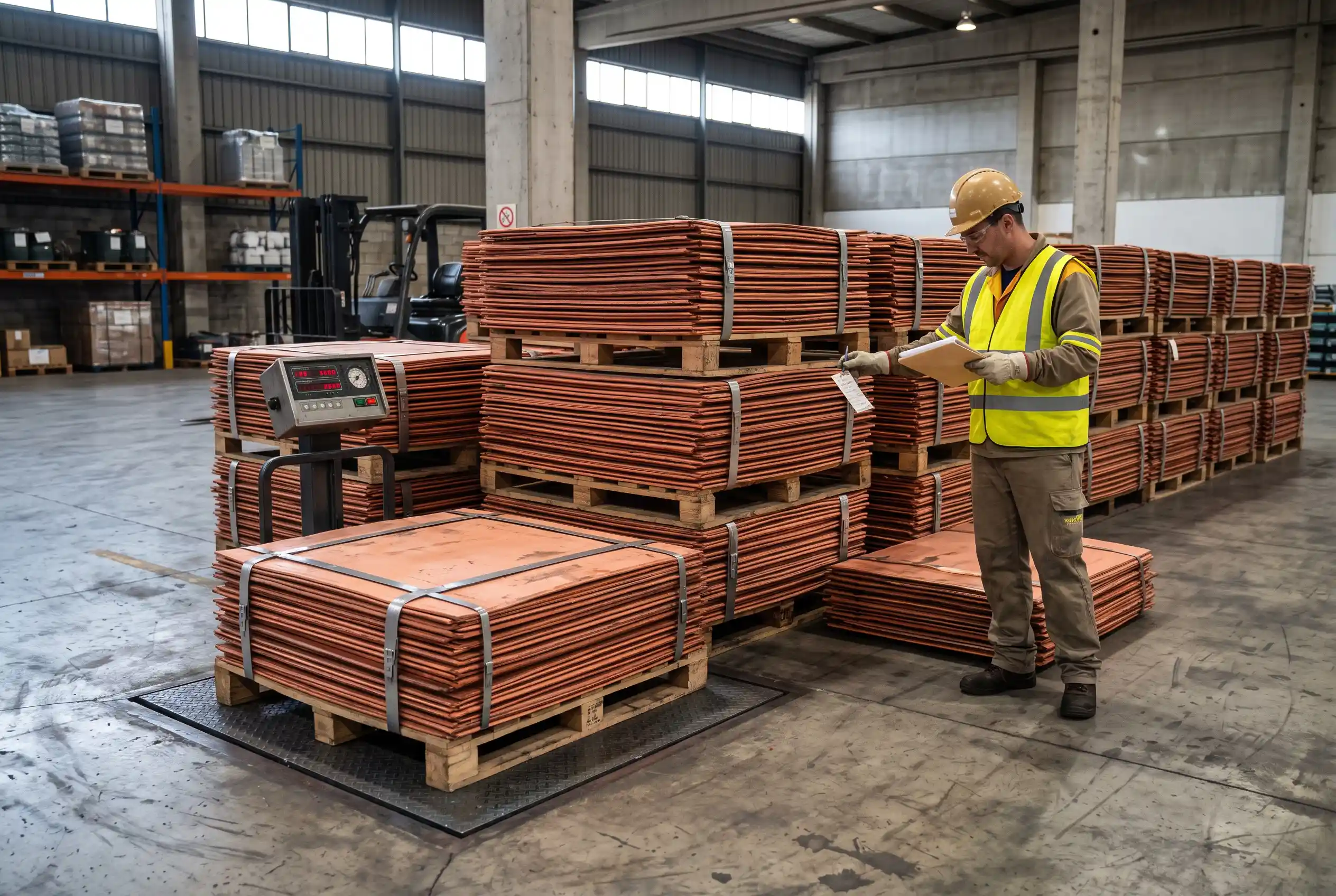
The COA, packing list, bundle references, producer information, and inspection records should point to the same identifiable cargo.
A strong review does not stop at the presence of a certificate. It asks whether the reported analysis belongs to the lot being purchased, whether the standard and grade match the contract, and whether the document package is internally consistent.
Commercial terms need the same discipline. The Incoterm should include the named place or port, and the contract should identify quantity, shipment basis, inspection point, required documents, and payment conditions in language that the parties can apply operationally.
COA vs Third-Party Inspection: What Is the Difference?
A producer COA reports analytical results for the material or lot, while independent inspection verifies only the scope assigned to the inspection company.
A Certificate of Analysis may contain the producer’s reported chemical results, product or lot reference, grade, and test information. The buyer should check whether those details correspond to the agreed cargo.
Third-party inspection is different. Depending on the contract and inspection instruction, an independent inspector may verify identity, quantity, weight, packing, markings, visible condition, sampling, laboratory testing, or only selected items from that list.
The presence of a well-known inspection-company name does not mean every technical requirement was tested. SGS, Intertek, Cotecna, or another inspector is not a universal mandatory condition for every copper transaction. The parties should define the inspection company, place, timing, sampling method, test scope, reporting requirements, and consequences of a non-conforming result.
If independent chemical sampling is required by contract, a producer COA does not replace it. If the third-party scope covers only quantity and visual condition, that inspection report should not be interpreted as an independent chemical-analysis certificate.
Buying Grade A Copper Cathode With a Specification-First Process
A stronger copper enquiry starts with the required specification and acceptance method before moving into price, logistics, and payment discussions.
Coolak International Group was founded in 2017 on the belief that successful trade begins with better decisions before contract signing. For copper cathode sourcing, that means defining the grade, standard, documentation, inspection expectations, quantity, destination, and commercial structure before treating an offer as ready for acceptance. This positioning and Coolak’s international sourcing service are reflected in the company’s current site structure.
For a B2B enquiry, Coolak can support a specification-first discussion covering sourcing requirements, document review, supplier or producer coordination, inspection arrangements, and logistics planning according to the agreed transaction structure.
Current product information is available on the Refined Copper Cathode product page. Because product availability and commercial terms can change, buyers should use the current product page and cargo-specific offer rather than assume that an evergreen article represents a live quotation. The product page currently provides a route for formal LOI or ICPO enquiries.
To discuss a Grade A copper cathode requirement, contact Coolak International Group with the required standard, edition, grade, quantity, destination, Incoterm, inspection expectations, and document requirements.
Need product guidance?
Contact our team for specifications, availability, and pricing details.