An incorrect HS Code can turn a routine customs filing into a dispute over product description, duties, permits, or documentation. An HS Code is part of the Harmonized System used to classify traded goods through a common international structure.
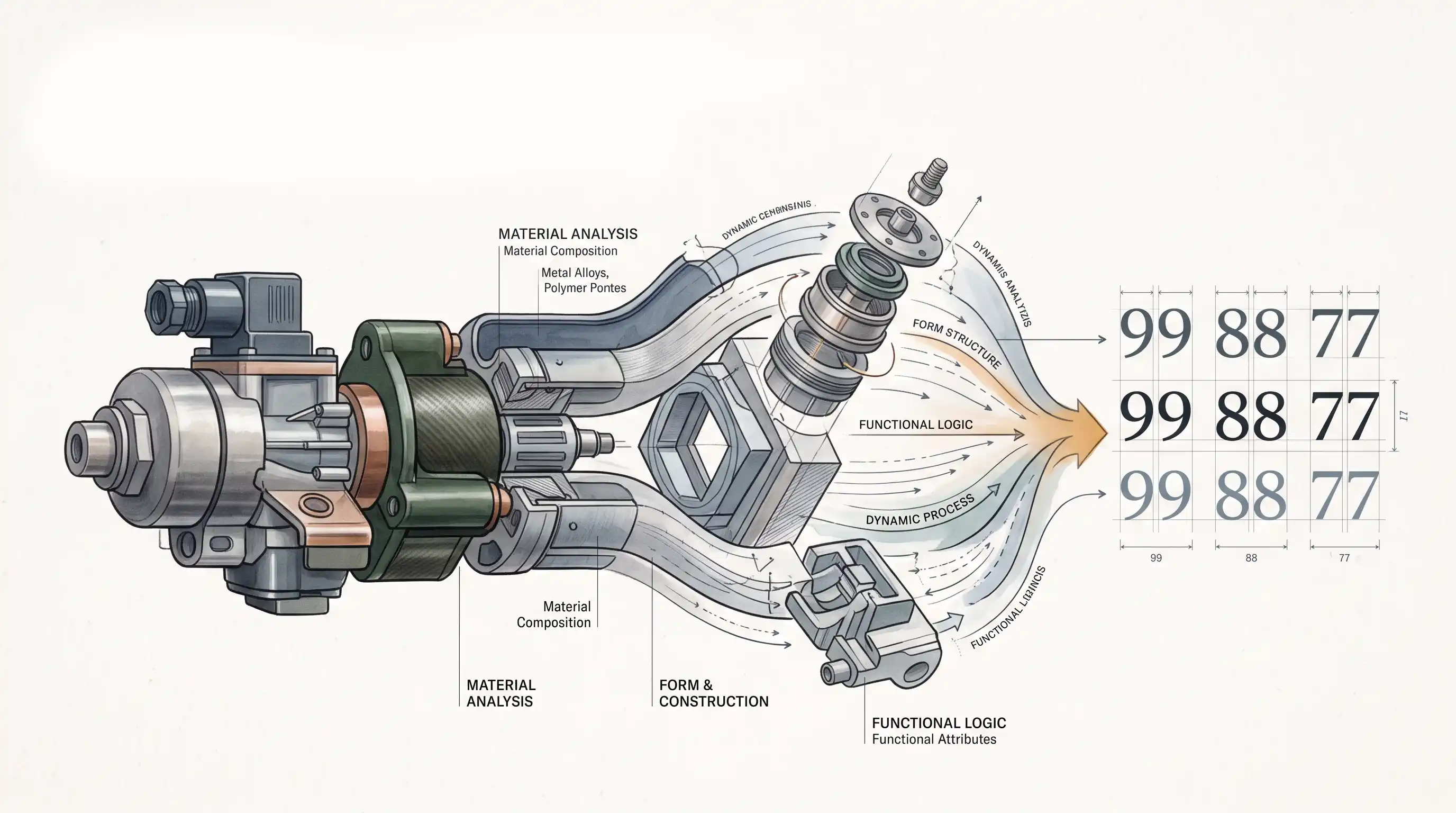
Finding the right code, however, normally requires more than searching a commercial product name. Material, composition, physical form, level of processing, function, and classification rules can all affect the result. The internationally harmonized 6-digit code must also be distinguished from the longer tariff numbers used by individual countries.
For an exporter, importer, or B2B buyer, the practical goal is to identify a classification that matches the actual goods and then confirm how the destination country treats that classification. Coolak International Group uses this guide to explain that decision process without assigning one generic code to every product sold under a similar commercial name.
Key Takeaways:
Build the classification from a precise technical and commercial product description, not from the sales name alone.
After establishing the 6-digit HS classification, check the destination country’s national tariff extension separately.
Keep the product description and classification consistent across the main transaction and customs documents.
For uncertain or commercially significant classifications, record the reasoning and seek specialist or customs guidance when needed.
What Is an HS Code?
An HS Code identifies goods within the Harmonized Commodity Description and Coding System, the international product-classification system administered under the World Customs Organization framework.
The system provides customs administrations and international traders with a common classification structure. Exporters, importers, brokers, freight teams, and authorities can use that structure to describe traded goods with greater consistency.
The WCO explains that the HS organizes goods through Chapters, headings, and subheadings, with international product groups identified by 6-digit codes. HS 2022 remains the version currently applied to international trade transactions.
The next edition, HS 2028, is due to enter into force on 1 January 2028. This makes the edition year an important check when traders reuse historic classifications or consult older references.
An HS Code should not be treated only as a duty number. Tariff assessment is one use of classification, but the code can also connect to trade statistics, permits, controls, and documentation requirements.
How Is an HS Code Structured?
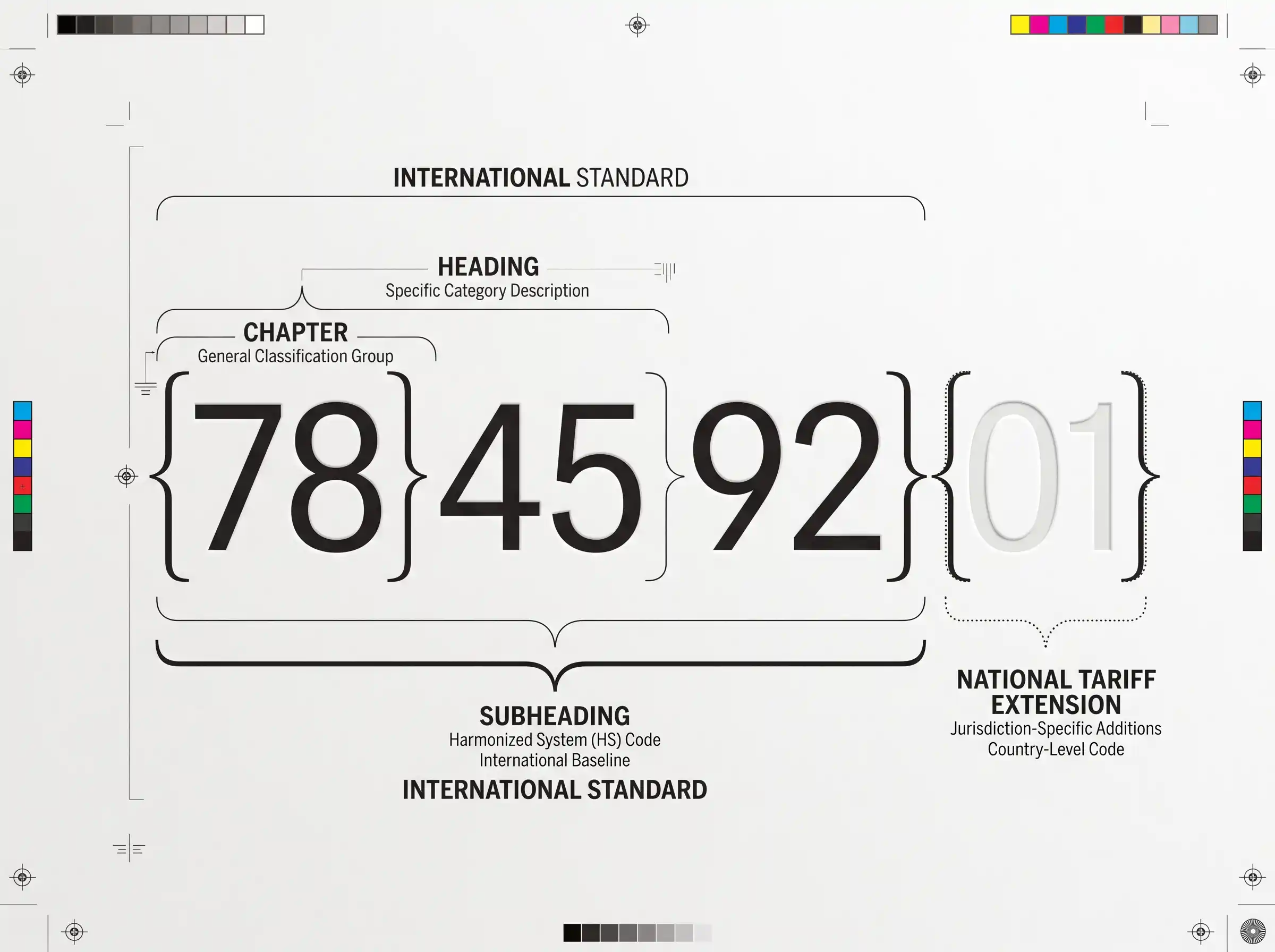
The HS structure moves from a broad product category toward a more specific international classification:
Chapter → Heading → Subheading → National Tariff Extension
First 2 digits: Chapter
First 4 digits: Heading
6 digits: International subheading
Additional digits: National or regional tariff extension
The WCO states that each heading has a 4-digit code, with its first two digits identifying the Chapter, while HS subheadings are identified at the 6-digit level.
This distinction is essential when traders encounter 8-digit, 10-digit, or longer tariff numbers. The entire extended number is not automatically a universal HS Code. The digits beyond the international level can belong to one country’s national tariff structure.
Why Does the Correct HS Code Matter?
Correct HS classification can affect how customs and other authorities treat the shipment. It is therefore part of transaction preparation rather than a minor data-entry task.
Customs declaration
The classification should make sense when read together with the declared product description. A code that points to a different type of goods can result in questions, amendments, or additional review.
Duties and tariffs
Destination customs authorities generally apply tariff treatment through their national tariff schedules. Classification can therefore affect the duty rate or other tariff treatment assigned to the imported goods.
Permits and trade controls
Some classifications connect to permits, standards, import controls, or other regulatory requirements. Identifying these issues before shipment is preferable to discovering them during customs processing.
Export documentation
Product type and classification can affect the required document package. The guide to export documents required for shipping goods from Iran explains that there is no single document set for every shipment. Product type, destination, HS classification, transport method, and transaction terms can all influence the documentation required. The guide to certificate of origin requirements explains when exporters may need this document and what to verify before shipment.
Trade statistics
Customs classification is also used to organize international trade data. Consistent coding improves the quality of internal reporting as well as official statistics.
How to Find the Correct HS Code
Finding the correct HS Code should follow a structured classification process rather than a quick product-name search.
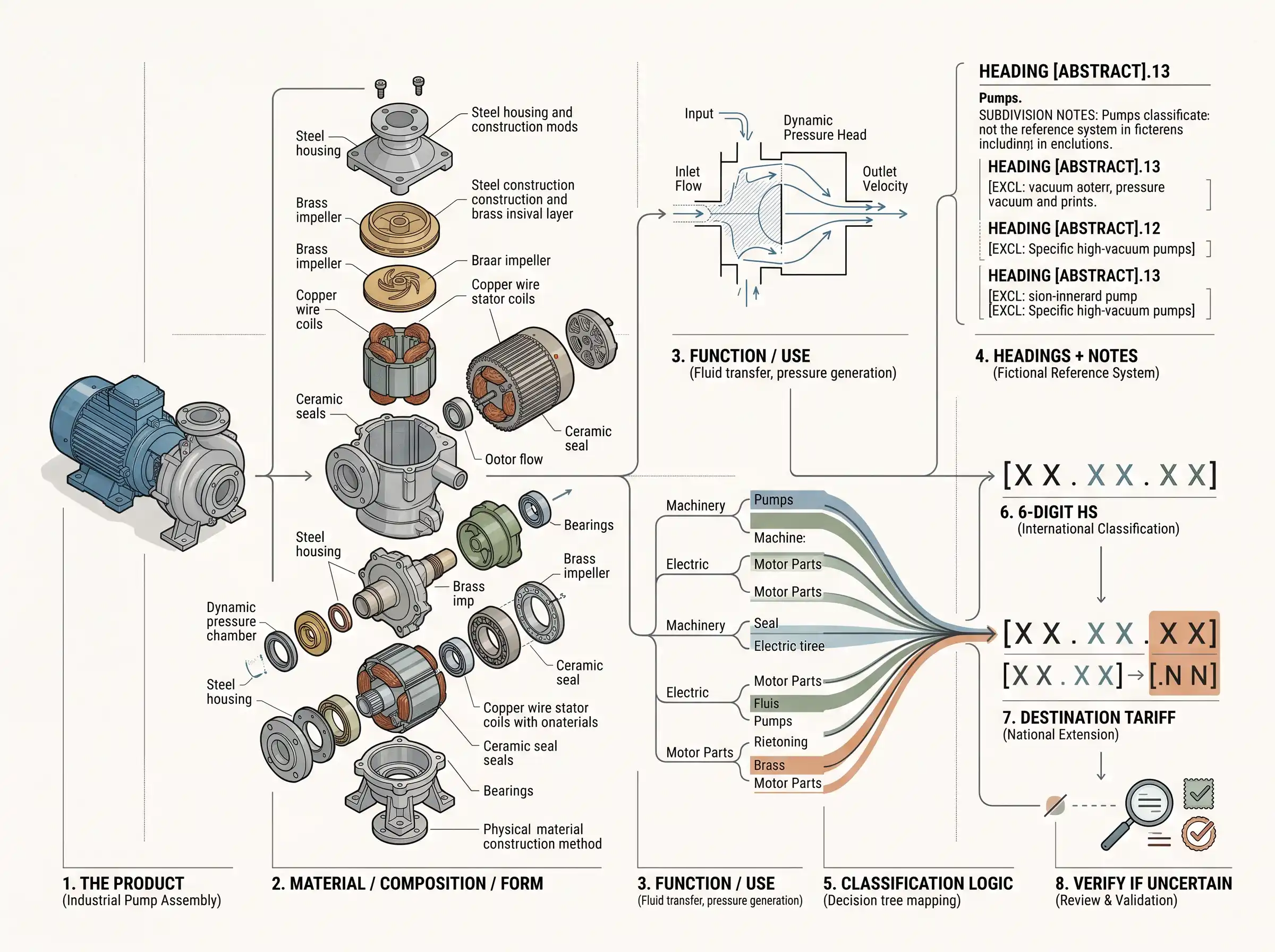
1. Identify exactly what the product is
Start with a precise description of the goods. Identify their physical form and the characteristics that distinguish them from similar products.
Terms such as “steel product,” “stone,” “chemical,” or “petroleum product” are normally too broad for dependable classification.
2. Determine the material and composition
Material can be central to classification. Where goods are alloys, mixtures, composite products, or chemically formulated products, the relevant composition should be clear.
3. Review the form and degree of processing
Raw material, semi-finished goods, and finished products may not follow the same classification path. Physical form can also matter.
A block, slab, sheet, rod, wire, or finished article may require different analysis even where the base material is similar.
4. Determine the function or use where relevant
For some categories, the way a product functions or its principal use helps distinguish between possible headings.
Classification therefore cannot always be decided from material alone.
5. Review the possible HS headings
Use the product facts to identify the Chapters and headings that could apply. At this stage, compare the legal scope rather than relying only on a keyword match between the product name and a heading title.
6. Read the Section Notes and Chapter Notes
Legal Notes can define terms, exclude certain goods, or direct products to another part of the nomenclature.
A heading that appears correct from its title can become unsuitable after the relevant Notes are read.
7. Apply the classification rules
Where more than one heading initially appears possible, the classification rules need to be applied.
A previous supplier’s code or a commercial product label cannot replace the legal classification process.
8. Check the destination country’s tariff extension
Once the 6-digit classification has been established, review the national tariff schedule of the destination country.
The WCO notes that final classification for import or export into a specific country operates under the relevant national tariff schedule.
9. Seek customs or specialist clarification when needed
If the classification remains uncertain after reviewing the product facts, Notes, and relevant rules, avoid selecting a code simply to complete the paperwork.
A customs broker, classification specialist, or competent customs authority may be needed. The WCO itself directs private classification enquiries toward the customs administration of the importing or exporting country.
Product Name vs Customs Classification
A commercial product name rarely contains all the information required for customs classification.
This can be seen across product groups relevant to Coolak International Group.
Copper products: A broad description such as “copper product” does not identify whether the goods are cathodes, sheets, rods, wire, or another form. The form and degree of processing need to be known.
Sulfur: The word “sulfur” alone does not establish every characteristic relevant to classification. The actual form and product characteristics still need review.
Petroleum products: Commercial market names do not always correspond directly to one customs classification. Technical product characteristics must be considered.
Natural stone: A quarried block, cut slab, worked stone, and finished stone article are not commercially identical forms, so the trade name of the stone alone does not settle classification.
Steel products: Product form, composition, production characteristics, and technical description may all affect the classification review.
These examples are intended to explain the classification process, not to assign a specific HS Code to any Coolak product. A specific code should be verified against the actual product specifications and current authoritative resources.
Why Can the Same Product Have More Than Six Digits?
Codes longer than six digits usually reflect a national or regional extension of the international HS structure.
The distinction is:
6-digit HS = internationally harmonized classification level
Additional digits = national or regional tariff subdivision
A country can add digits after the international subheading to create more detailed categories for customs duties, statistical reporting, regulatory controls, or other domestic purposes.
This means an exporter and importer may agree on the same 6-digit international classification while the importer still needs an 8-digit, 10-digit, or other extended number for the destination customs entry.
The presence of different extended numbers does not necessarily mean that the underlying international HS classification is different. The difference may begin only at the national extension.
For that reason, a complete tariff number taken from one country should not be reused in another jurisdiction without checking the destination tariff schedule.
Common HS Code Classification Mistakes
Most classification errors start when a detailed process is reduced to a shortcut.
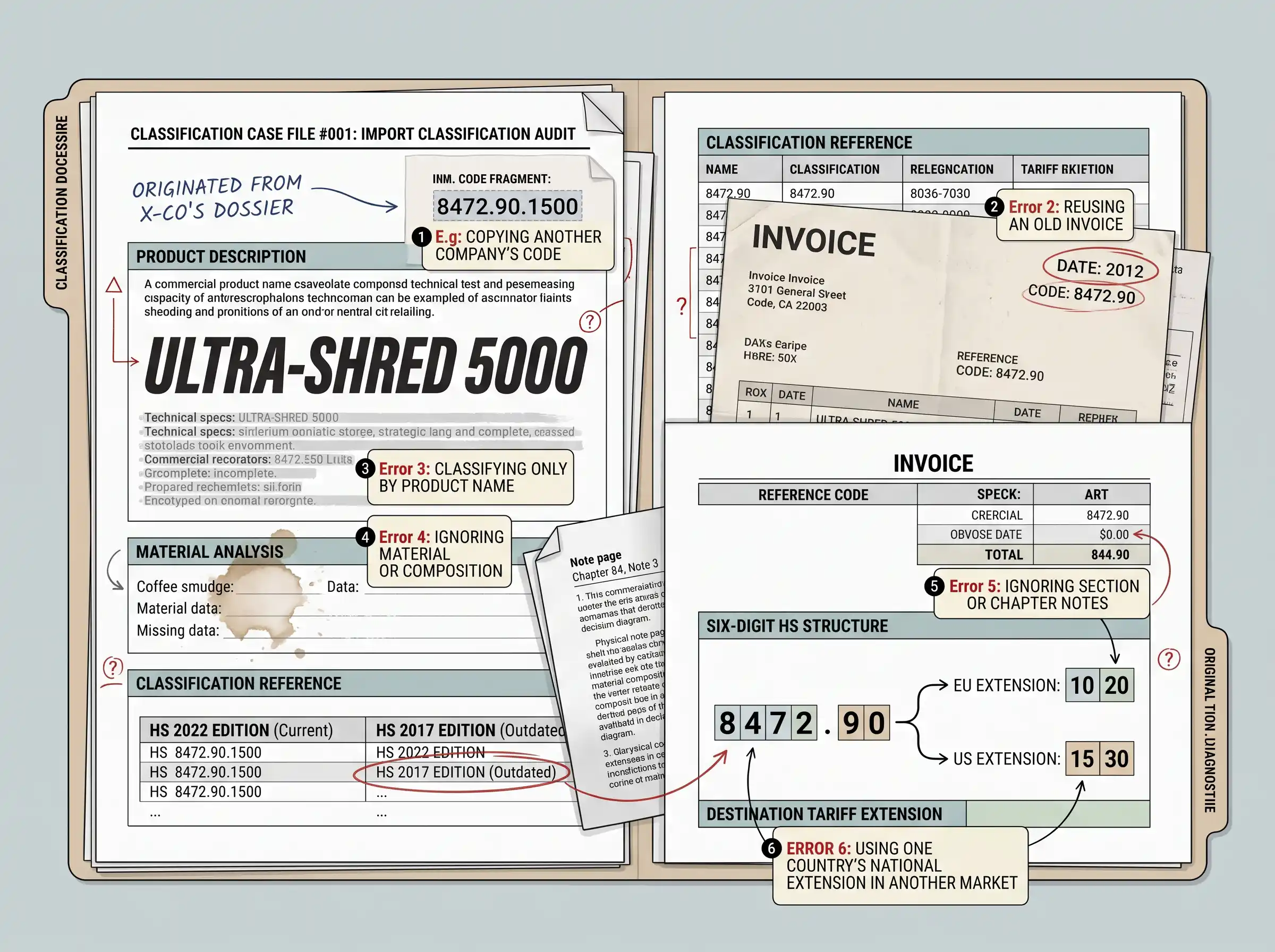
Copying another company’s HS Code
A code used by a supplier, customer, or competitor is not proof that the same code applies to your goods. A difference in material, form, processing, or function can change the classification.
Reusing an old invoice without verification
A code on an earlier invoice may have been incorrect, may relate to different goods, or may come from an older nomenclature edition.
Classifying only by product name
Search tools can return several possible codes for a common trade name. The name by itself does not establish the correct legal classification.
Ignoring material or composition
Material differences can be decisive in some categories. Composition needs to be checked where it is relevant to the wording of the headings or Notes.
Ignoring Section Notes and Chapter Notes
A heading may appear suitable until a Note excludes the goods or defines the category more precisely.
Treating a national tariff extension as universal
Digits beyond the international HS level may belong only to one national tariff schedule.
Using an outdated HS edition
The HS is periodically revised. As of September 2026, HS 2022 is the version applied in international trade, while HS 2028 is scheduled to take effect at the start of 2028.
Where Should the HS Code Appear in Export Documents?
HS classification commonly connects with several core trade and customs documents, although the exact document requirements depend on the transaction and jurisdiction.
Commercial Invoice
The commercial invoice should describe the goods clearly. Where an HS Code is included, the classification should be compatible with the description, form, and nature of the goods being sold.
Customs Declaration
The customs declaration is one of the main places where product classification is used. The declared tariff classification can affect customs review, tariff treatment, and related controls.
Certificate of Origin
Where a certificate of origin requests or displays classification information, that information should be checked against the other documents. The required code length and format can depend on the issuing system and destination rules.
Other customs and regulatory documents
Depending on the product and market, classification can also connect to permits, regulatory filings, inspection documents, banking paperwork, or transport documentation.
The practical principle is document consistency. Different codes or conflicting product descriptions across the same transaction can cause questions and amendments.
Where several commercial documents and contract terms need to align, classification should be reviewed as part of the wider international trade contracts and documentation process rather than as an isolated customs field.

What Should You Do If the HS Code Is Uncertain?
When the HS classification is uncertain, the appropriate response is to improve the evidence and classification analysis rather than choose the most convenient code.
First, complete the technical product description. A specification sheet, composition information, physical form, intended function, and processing stage can resolve many ambiguities.
Next, compare the possible headings, Section Notes, Chapter Notes, and applicable classification rules. After identifying the 6-digit level, confirm the destination country’s official tariff schedule.
For commercially significant transactions, record the classification reasoning. The record can identify which product facts were considered, which headings were reviewed, and which authoritative source supported the final decision.
Where uncertainty remains, seek guidance from a customs broker, classification specialist, or competent customs authority.
This approach creates a more defensible classification record than copying a code from a marketplace, supplier invoice, or unrelated shipment.
HS Code Checklist Before Export
Before the customs filing and document set are finalized, confirm that:
The exact product description has been confirmed.
Material and composition are known.
Physical form, processing stage, and function have been reviewed where relevant.
Possible headings have been compared.
Section Notes and Chapter Notes have been checked.
Classification rules have been applied where required.
The 6-digit HS classification has been reviewed.
The destination-country tariff extension has been checked.
The current HS edition has been confirmed.
Relevant permits and controls have been reviewed.
Product descriptions and codes are consistent across core documents.
Specialist or customs clarification has been obtained where uncertainty remains.
Check the Classification and the Documents Together Before Filing
An accurate HS Code does not eliminate document risk if the commercial invoice, contract, customs filing, and supporting documents describe the goods inconsistently.
For the wider documentation framework, read export documents required for shipping goods from Iran. Where a specific transaction needs review of its contract structure, product description, and document package, international trade contracts and documentation is the relevant Coolak International Group service.
Businesses with a defined purchase, supply, or sales requirement can also submit the transaction details through Trade Requests.
Need product guidance?
Contact our team for specifications, availability, and pricing details.