Iron Ore Pellet Trade: Navigating Complexity Towards Sustainable Supply
The global steel industry demands millions of tons of high-quality raw materials annually to sustain infrastructure development worldwide. High-grade iron ore pellets have emerged as the most valuable feed for smelting furnaces due to their unique metallurgical properties. The accelerating shift toward green steel production and industrial emission reduction has compounded the value of this product on the international stage. Yet, identifying a genuine supplier in a market saturated with phantom offers and hidden intermediaries remains the most significant barrier for global buyers. Coolak International Group acts as your strategic partner, dismantling these barriers to establish a transparent, direct route for sourcing this critical commodity.
Key Takeaways:
Iron pellets possess a porous structure and high mechanical strength, exponentially increasing the efficiency of sponge iron production.
Total Iron (Fe) content, Cold Crushing Strength (CCS), and porosity are the primary price-determining metrics in international trade.
Bypassing opaque intermediaries and connecting directly to resource-rich mines in the Middle East and Eurasia guarantees buyer profit margins.
Structuring airtight contracts based on ICC standards is the only proven method to neutralize legal risks in commodity trading.
What is an Iron Ore Pellet and How is it Produced?
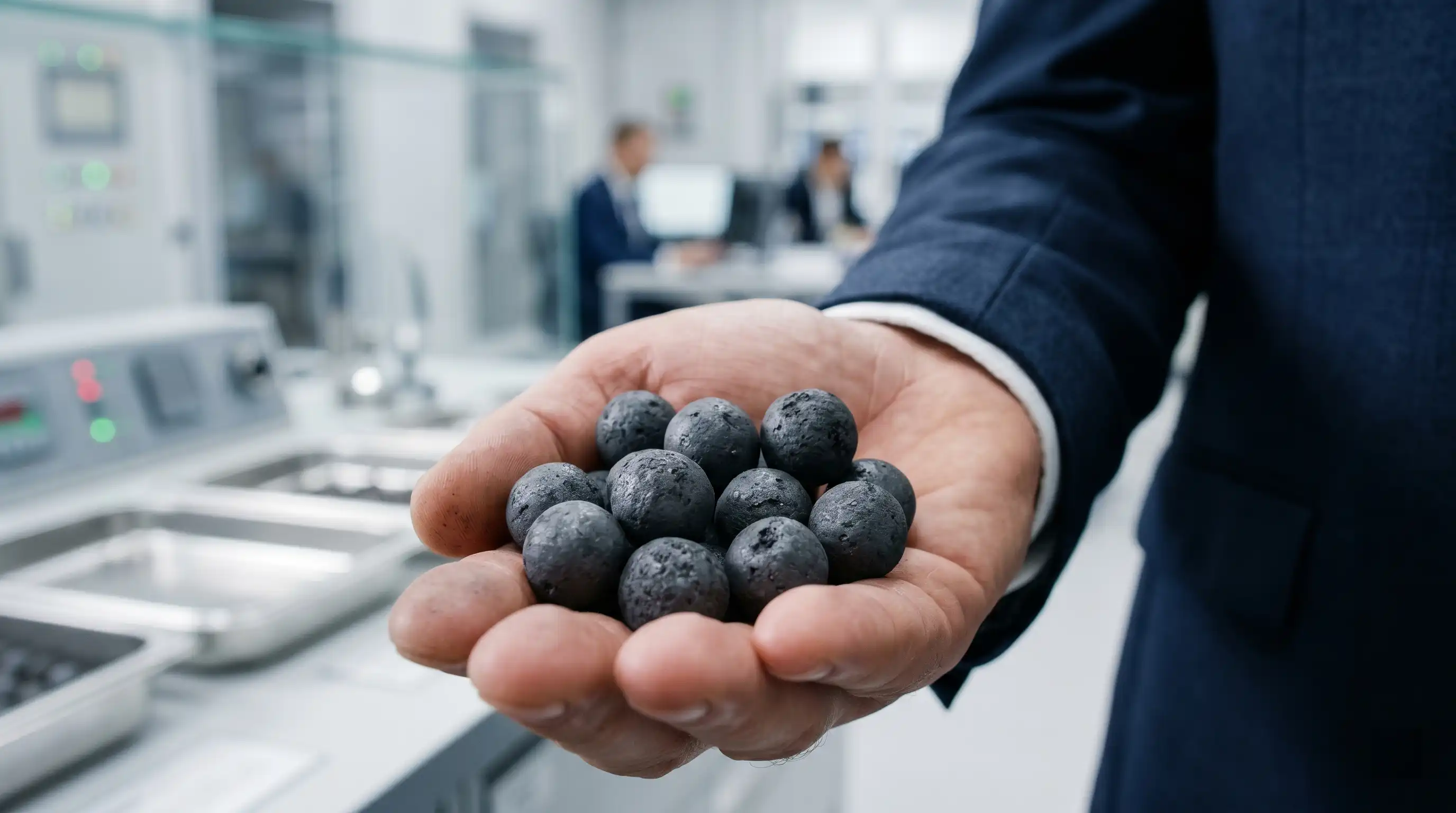
Pellets are small, spherical nodules of processed iron ore manufactured from high-grade iron ore fines (iron ore concentrate). Iron ore extracted from mines undergoes extensive crushing, grinding, and beneficiation to become an extremely fine powder. This fine concentrate cannot be fed directly into melting furnaces; it restricts airflow, suffocates the furnace, and severely degrades operational efficiency.
To resolve this, the iron concentrate is mixed with binding agents (such as bentonite) and water, then shaped into uniform spheres using pelletizing discs or drums. These "green pellets" are subsequently fired in induration furnaces at extreme temperatures (ranging from 1200°C to 1300°C) to harden. The outcome is a highly uniform product (typically 9 to 16 millimeters in diameter) exhibiting ideal porosity and immense mechanical strength—providing the optimum physical state for chemical reduction in steelmaking.
The Strategic Role of Pellets in the Steel Value Chain
The integration of pellets in metallurgy is not merely a material substitution; it is a technological leap in the production process. Utilizing this product delivers two major competitive advantages for steel plants:
1. Maximizing Efficiency in Direct Reduction (DRI) Furnaces Direct Reduction (DR) grade pellets, characterized by minimal impurities (gangue elements like silica and alumina) and a Total Fe content exceeding 67%, are the ultimate feed for producing Direct Reduced Iron (sponge iron). The high porosity of the pellet allows reducing gases to permeate its structure effortlessly, separating oxygen from iron with unparalleled speed and efficiency.
2. Reducing Energy Consumption and Emissions in Blast Furnaces Using Blast Furnace (BF) grade pellets optimizes gas permeability within the furnace bed due to their uniform spherical shape. This aerodynamic advantage drastically reduces the consumption of metallurgical coke (used as fuel and reducing agent), directly resulting in a significant decrease in greenhouse gas emissions.
Critical Specifications for Pellet Analysis and Export
In the international trade of pellets, buyers and suppliers negotiate based on strict laboratory parameters. Ignorance of these standards can lead to catastrophic financial losses. The most critical assessment indicators include:
Total Iron (Total Fe): The primary pricing factor. DR-grade requires >67%, while BF-grade demands a minimum of 65%.
Cold Crushing Strength (CCS): Indicates the pellet's ability to withstand physical pressure during logistics, loading, and stockpiling. Export-grade pellets must demonstrate a CCS above 250 kg/pellet to prevent disintegration into dust.
Tumbler Index: Measures the product's resistance to abrasion and impact during long-haul maritime or rail transport.
Swelling Index: Tracks the volume expansion of the pellet during the reduction process. Excessive swelling can inflict severe structural damage on furnace walls.
The Dark Room of Global Trade: Risks and Hidden Intermediaries
The international trade market, particularly concerning bulk commodities and minerals, is fraught with complex challenges. The true distance in this market is not geographical; it is the gap between a verified supplier and a legitimate buyer.
International buyers often waste months navigating chains of unofficial brokers—intermediaries who lack direct access to mines and possess zero technical or legal export expertise. The presentation of fraudulent documents (Fake POP), erratic price fluctuations, inability to charter bulk vessels, and flawed banking contracts are hidden risks that threaten a buyer's capital and time. Successful trade of iron ore pellets demands stepping out of this dark room and connecting directly to the source of production.
Changing the Rules: Direct Connection to Middle Eastern and Eurasian Resources
Nations such as Iran, the Russian Federation, Kazakhstan, and Turkmenistan control massive iron ore reserves and highly developed pelletizing infrastructures, positioning them as the world's primary supply hubs. The most intelligent strategy for global buyers is to circumvent the brokerage hubs of Dubai or Istanbul and secure direct access to the output of these very plants.
At Coolak International Group, we have engineered a secure, deeply vetted network that enables international buyers to source iron ore pellets directly from mines in Iran and the broader Eurasian region. This direct access aggressively reduces landing costs while guaranteeing strict quality control (via international inspection agencies like SGS) and the sustainable fulfillment of high-tonnage contracts.
Secure Legal Architecture: ICC-Compliant Contracts
Successful trade requires much more than simply locating physical cargo. Jurisdictional differences, banking sanctions, and logistical complexities demand precise legal architecture. Our specialized team, armed with total mastery of international contracts and legal standards based on the International Chamber of Commerce (ICC), designs an impenetrable framework for your transactions.
From the precise selection of delivery terms (Incoterms 2020) to the engineering of secure payment mechanisms (even within highly complex geopolitical environments), every single phase is meticulously designed to protect the buyer's capital and secure the supplier's rights.
The Secure Route for Your Steel Trade
At Coolak International Group, we bring transparency to international trade. Coolak was formed with a profound understanding of global trade complexities; our core mission is to eliminate opaque intermediaries and forge a secure, direct, and highly profitable route for B2B collaboration. We operate far beyond the scope of a standard consulting firm or supplier; we are your strategic business partner in the heart of emerging markets.
Beyond securing physical commodities, we utilize modern methodologies such as Neuromarketing and Service Design to help businesses optimize their international purchasing experience and expand their global footprint with absolute confidence. Partnering with Coolak is not just about receiving a shipment of pellets; it is about gaining access to a dedicated, expert team fighting for the sustainable and secure growth of your trade.
To initiate the direct sourcing of iron ore pellets with precise export analysis and arrange B2B meetings, contact our Metals Trading Department today. Secure trade, sustainable growth, long-term partnership.